
Field Guide to the Bears of the Western Hemisphere and the Best Places to Watch Them
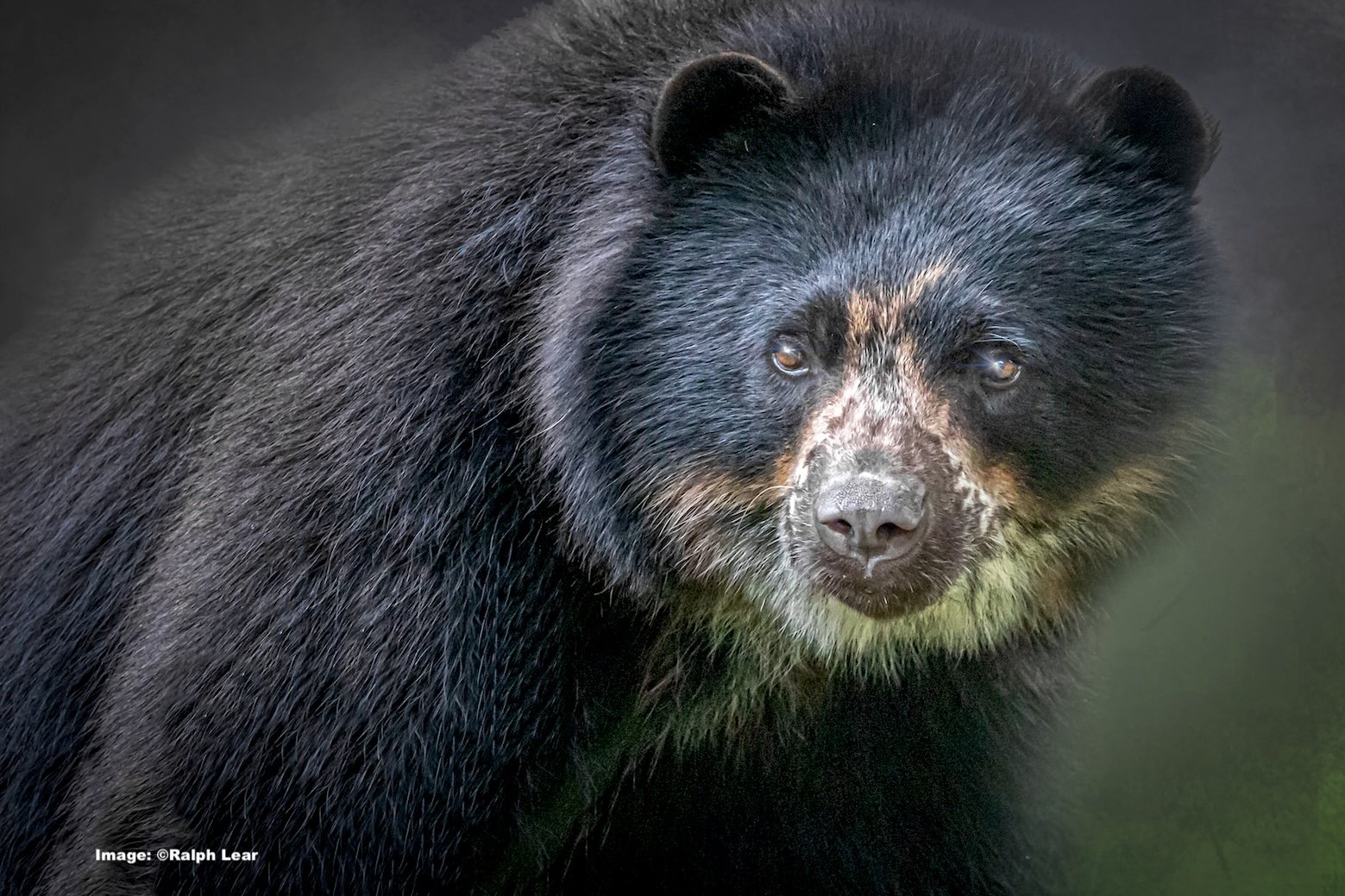
The Andean or Spectacled bear is South America’s only bear, quiet and shy, you can find it in the Colombian páramo or the rainforest in Ecuador. Image: ©Ralph Lear
That Bear is Not Just “a Bear”
Co-founder, Roberta Kravette,
Contact Me
Did you know that the Western Hemisphere (North, Central, and South America) is home to four distinct bear species and many subspecies, and can be found from the Arctic to the Andes and from the Rockies to the Everglades?
Some bears, like the Spirit bear (a Black subspecies) or the Katmai bear (a Brown subspecies), are mysterious, but a few individuals reached international superstar status, with more social media followers than an Instagram influencer! Others are so shy we hardly know they exist. What makes bears so irresistible?
Intrigued by bears? Me too. The following is a guide to the Bears of the Western Hemisphere and the best places to view them.
Bonus for Bear Watching: You’ll find each of the four bears and their subspecies in some of the most beautiful and wild places left in the Western Hemisphere! Let’s go see bears! This is how.
Let’s Start with the Rules for Bear Watching
Bears, the largest mammals in their ranges, usually prefer a relatively quiet life, albeit on their own terms. They are the boss; bears do not like competition, they do not like surprises (make noise in bear country!), and they will not tolerate intentional or unintentional interference, especially with their food or their young. Bears, especially males, are likely to meet real or perceived aggression head-on, and they are bigger and stronger than you or I.
As humans expand their “range” into bear territory, the only way to keep bears and people safe is: respect the bear and follow the rules.
Best Practices for each of the four bear species can be slightly different; there are two basics when in bear country:
Make Noise: startled bears are dangerous bears. Talk, laugh, sing, wear bear bells. Bears have terrible eyesight but good hearing.
Keep Your Food Away From Bears: Bears are single-minded about food, if they smell it, it is theirs. If you are in the way, they will remove you. That means your trash. leftovers, snacks in your pocket or your car, including food wrappers and empty containers. And if you see a carcass, stay far away.
NEVER approach a bear, whether the bear is a tiny cub or an adult. Back up, get out of the area, if the bear is in or causing trouble, call the authorities.
Each Species has its own set of rules. Here they are
Bear Safety Rules from the USFWS Black and Brown Bear Safety from Bear Wise Polar Bear Safety from Polar Bear International
And Read: What I Learned After the Grizzly Charged Me By Jorn Vangoidtsenhoven
Bonus for Bear Watching: You’ll find each of the four bear species in some of the most beautiful and wild places left in the Western Hemisphere! Let’s go see bears! This is how.
Looking for the best bear-watching destinations in North America and South America? From the Arctic ice to the Andean cloud forests, the Western Hemisphere offers incredible bear viewing opportunities. Whether you're interested in grizzly bear tours in Alaska, black bear watching in Yellowstone, polar bear expeditions to Churchill, or tracking spectacled bears in Colombia, a guided bear watching wildlife tour across the Americas will deliver once-in-a-lifetime experiences. Ask us.
#1 The American Black Bear - Ursus americanus
Black bears can be found again in many regions where they had long been extirpated. Be aware when hiking, make noise, wear bear bells, the bears rely on their hearing and sense of smell. Image: ©Jorn Vangoidtsenhoven
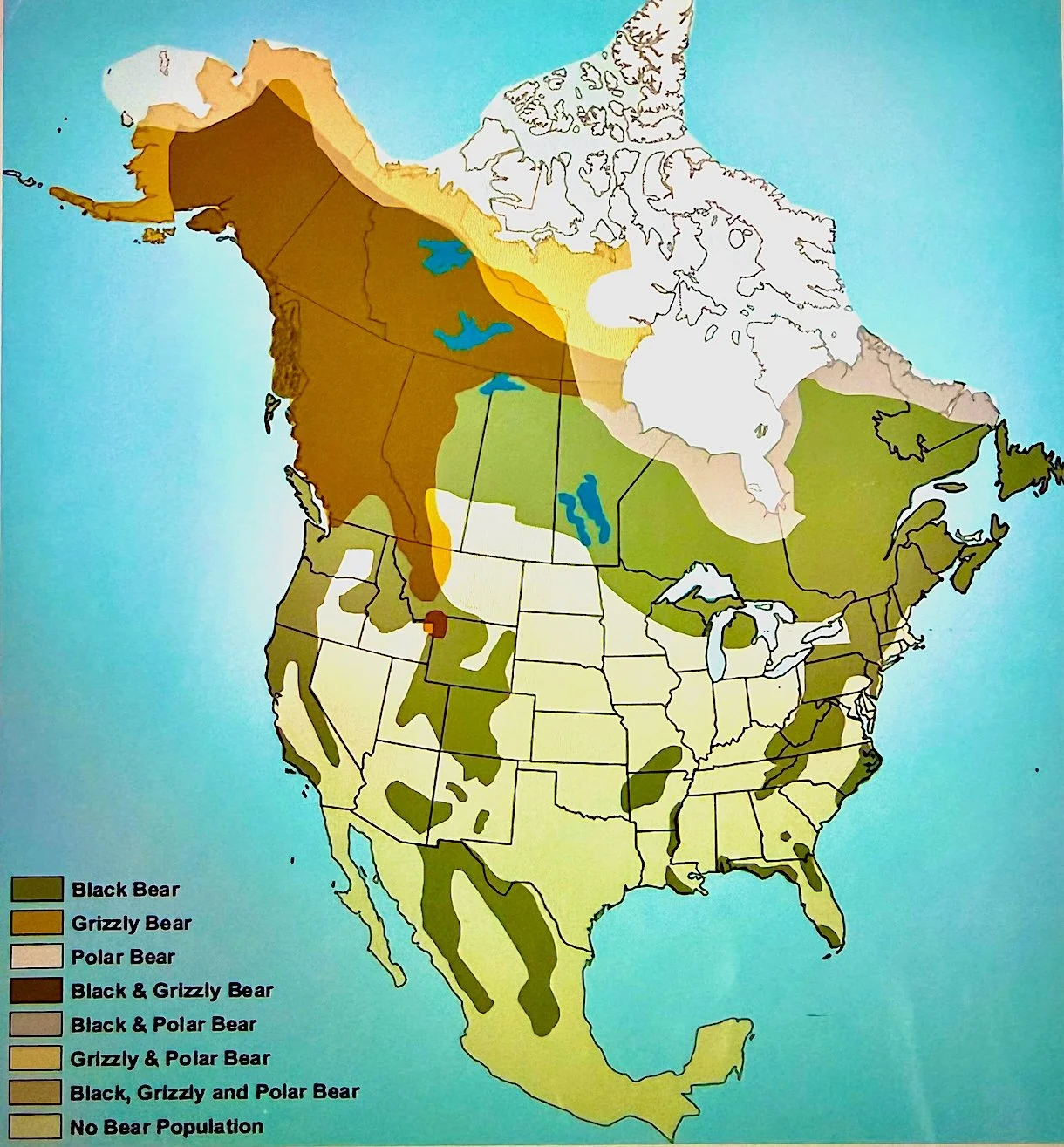
Comparison of North American bear ranges. Thanks to Bear Smart. and to Geology.com
IUNC: LC (Least Concern) Black bears can be found in 40 of the 50 US States and all provinces of Canada except Prince Edward Island.
✔︎ Other Names and Subspecies: There are 16 classified subspecies (!) of Black bears, but the most intriguing is certainly the storied Spirit bear! (see below)
Black Bear Fast Facts: How to Identify and Understand Black Bears
Note: The size, age of maturity, and lifespan of black bears are highly variable across their range and dependent on food sources and availability.
✔︎ Color: Mostly black but might be brown, cinnamon, and even white (the rare Kermode or Spirit Bear).
✔︎ Height to Shoulder: 24 and 36 inches ( 61-91.5 cm ). Nose to tail: 60 to 75 inches (152.4 to 190.5 cm)
✔︎ Weight:
Adult males typically weigh between 200 and 600 pounds (91-272 kg), but 800+ lbs. (363 kg) have been documented.
Females usually 100-200 pounds (45.5 -91kg)
✔︎ Life Span: 20-30 years in the wild. Sexual maturity is reached between 3 and 5 years or longer.
✔︎ Black Bear Diet: Black bears are omnivorous, despite their “Carnivore” classification.
~85% of their diet consists of plant matter. Berries, nuts, grasses, roots,
~15% is meat: insects (hornet larvae, tent caterpillars, march fly larvae, grubs, and other insects), fish, and occasionally small mammals.
Trash, birdseed, and leftovers are all ambrosia to a bear. Dietary flexibility is key to their success – and their problems.
Why Black Bears are Special
Black bears are found only in North America and are the smallest of the continent's three bear species (Black, brown, and Polar), but they are among the most successful large mammals, with stable populations across much of their historic range. The elusive Spirit bear, a subspecies, may be our favorite!
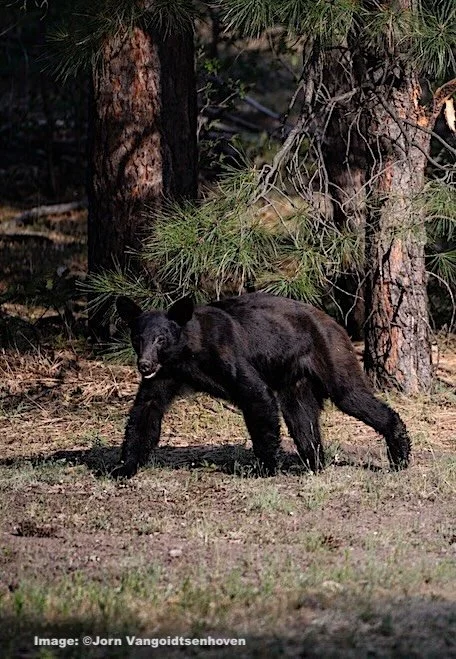
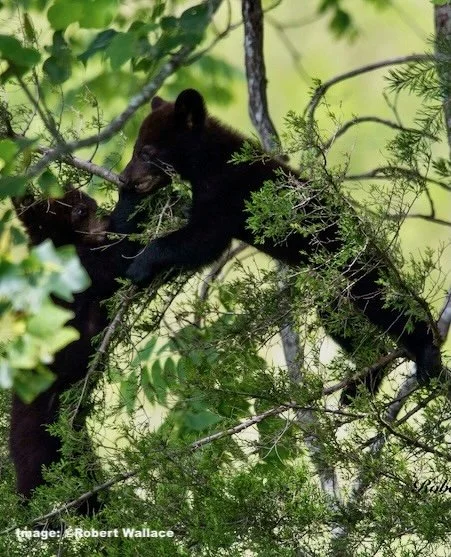
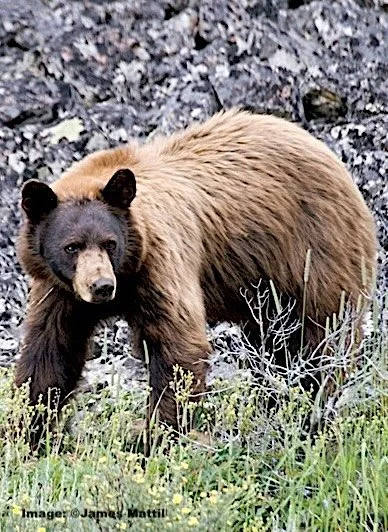
Black Bear Claw Fun Fact:
The “design” of Black bear claws is similar to feline claws and is perfectly structured for climbing. Cubs have been clocked scurrying up a tree at about 3 feet per second.
Best Places and Times to See American Black Bears
Black bears can be found in 40 of our 50 states. These are our favorite places to watch Black bears
Prince of Wales Island, Alaska (Our favorite Place! )
My favorite place to see Black bears is on Prince of Wales Island. We think of Brown bears fishing, but on Prince of Wales Island, Black bears gather at salmon streams to feast on spawning fish, offering incredible viewing and photography opportunities. And you can find them playing, swimming, and just having fun, too. Bonus: Tourism is low here (for now); you can enjoy the bears and other wildlife without crowds.
►Best Time to See Black Bears on Prince of Wales Island: July through September (Wolves, Sea otters, Black-Tailed Sitka deer, eagles, owls, and more, too!)
►The Best Place to See Black Bears on Prince of Wales Island
Don’t miss the viewing platforms at Dog Salmon Fish Pass and the Cable Creek Fish Pass, where you can watch (and photograph) from safety as the bears splash, catch, and feast on fresh salmon. I spent hours there one August day watching and photographing fish jump up the ladders and bears jump after the fish.
Note: The bears enjoy the berry bushes along the trail to the platforms. Make noise - you do not want to startle a bear having his fruit course!
★Feeling Lucky? Take a guided walk, you may see bears splashing in the island’s natural pools. Read more about wildlife on Prince of Wales Island
Yellowstone National Park, Wyoming
Mama Black bears like these in Yellowstone National Park and Grizzlies in the Grand Teton NP have learned that tourist proximity keeps randy males away from their cubs. This is great for bear watching, but creates monumental “bear jams” in both parks. Image: Jorn Vangoidtsenhoven
Yellowstone National Park is one of the few places where you can see both Black and Grizzly bears.
Back in the 1960’s, feeding the continuously hungry bears on the road was a popular activity. The fed bears became habituated, aggressive, and dangerous. Today, feeding bears is not allowed and can result in your permanent ban from the Park.
►Best Time to See Black Bears in Yellowstone National Park:
Spring (April-May): Early spring is when bears emerge from winter hibernation with their adorable COY or cubs of the year!
Summer (June-August): The best time to see them is at dawn and dusk, when they feed on berries and insects.
Fall (September-October): This is the “Hyperphagia” period—when bears feed intensively to prepare for hibernation
►The Best Places to look for Black Bears in Yellowstone National Park are the Tower-Roosevelt area.
This place is sometimes called the Bermuda Triangle. The bears are used to people watching and are not hesitant to stay close to the road, which is great for picture-taking! And look up high into the trees, you may see a cub or two watching you!
Look for black bears (and grizzlies, too) at Dunraven Pass, about 19 miles (an hour’s drive over winding mountain roads) from Tower-Roosevelt, where the bears come especially for the Whitebark Pine’s pine nuts. Pro Note: Look for Grizzlies on the ground, while the nimbler Black bears will be mostly up in the trees.
Read stories our stories about Black Bear encounters
The Great Smoky Mountains National Park, Tennessee & North Carolina
Black bear cub high in a tree calls for its mother. Cade’s Cove, The Great Smoky Mountains National Park, Image ©Betty4240
Why We Love Black Bear Watching in The Great Smoky Mountains National Park
Home to approximately 1,500 black bears, the Great Smoky Mountains National Park has one of the densest black bear populations in North America.
►The Best Place to See Black Bears in Smoky Mountains National Park
The Park spans the border of two states, Tennessee and North Carolina – and so do the bears; however, those in the know head to Cades Cove. Careful! You and the bears share the same paths.
►The Best Time to See Black Bears at the Great Smoky Mountains National Park
April-November, but you can find them here all year.
More: Read: Photographing Black Bears in Cades Cove by Robert Wallace
Interested in watching or photographing Black bears? Let Us Know
Black Bear Subspecies: The Spirit Bear (Kermode Bear)
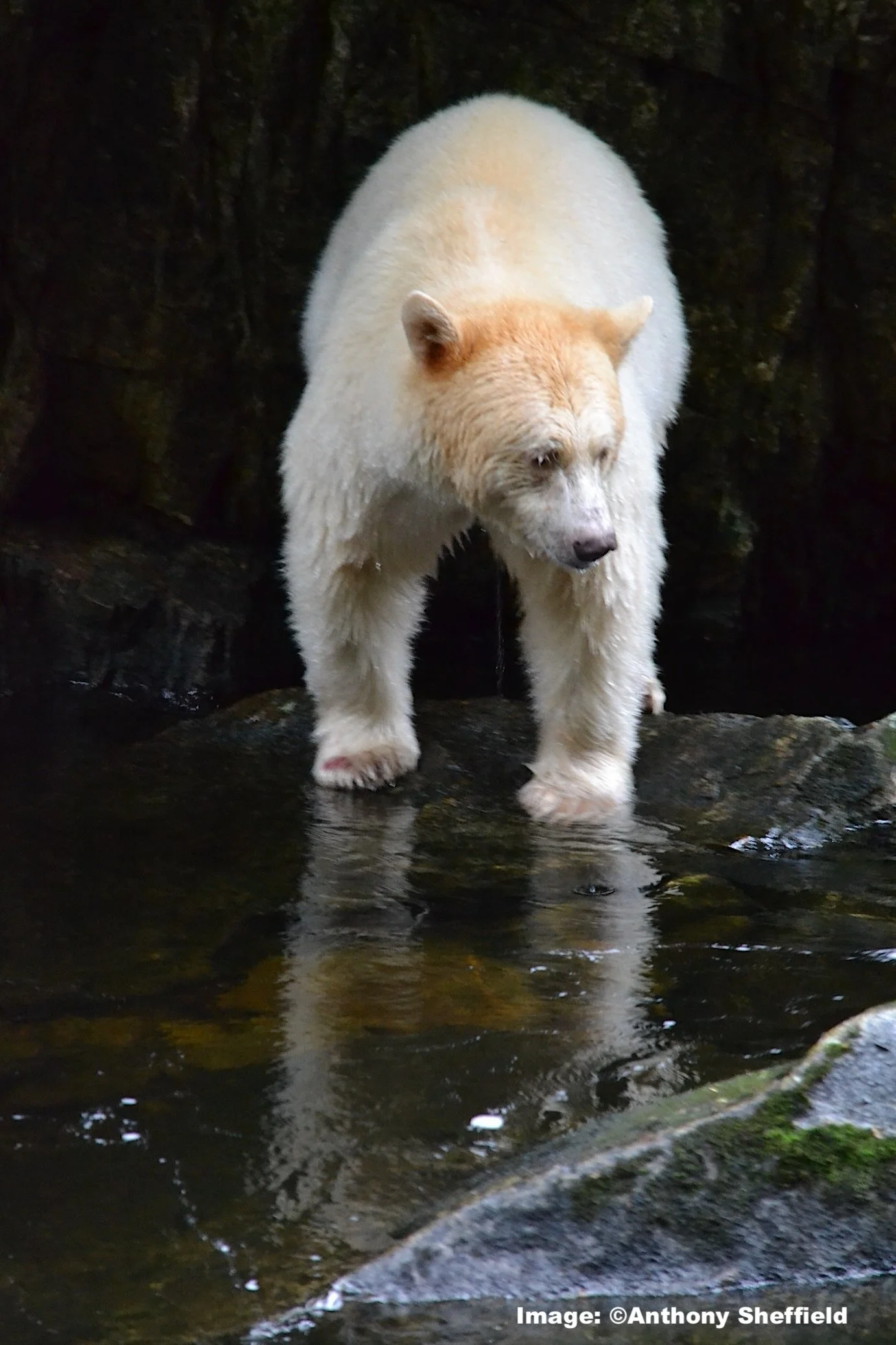
There are 16 classified subspecies of Black bears, but the most sought-after is certainly the storied Spirit bear! Image: Anthony Sheffield
Spirit Bears Fast Facts - Understanding Spirit Bears
✔︎ Ursus americanus kermodei. Not IUNC separately rated
✔︎ What is a Spirit Bear?
The rarest of all bears, according to the North American Bear Center, only about 100 exist. This storied white or cream-colored subspecies of the American black bear moves like a spirit through the dense forests of the Great Bear Rainforest in British Columbia and holds deep cultural significance for Indigenous peoples. Most are on the islands off the coast.
✔︎ The bears’ white coloration is caused by a recessive gene, not albinism; only about 10% of Kermode bears exhibit white coats.
The Legend of the Spirit Bear
According to legend, Raven, the Creator, made one of every 10 black bears white to remind the people of the ice age and to be thankful for the bountiful land we have today.
★ Spirit bears are believed to have extraordinary powers to lead humans to magic places – and indeed, those who have seen a Spirit bear say the experience is unforgettable.
The Great Bear Rainforest, British Columbia, Canada
►The best - and only place to see Spirit Bears is along the central and northern coasts of British Columbia, Canada, with the majority on Princess Royal Island and Gribbell Island, British Columbia. Spirit bears inhabit the forests alongside much larger Grizzlies and tend to stay in areas where Brown bears do not go, such as smaller streams on the islands in the archipelago.
►The Best time to see Spirit Bears is August-October during salmon runs. Look for them after the rains begin, when spawning salmon travel up the refreshed streams.
►How to See a Spirit Bear: Seeing Spirit bears is not a solo endeavour. The bears live in a very remote area of dense temperate rainforest. A good, experienced guide will increase your chances of seeing these rare animals and enhance your understanding of them and their unique rainforest world.
For the best, authentic experience, try the Spirit Bear Lodge, run by the Kitasoo Xai’xais First Nation. Their mission is to create emotional connections between people, nature, and wildlife that lead to transformative change and advance social, cultural, environmental, and economic revitalization for the Kitasoo Xai’xais Nation.
#2 The Brown Bear - Ursus arctos
Bears are a vital part of their ecosystems, the remains of this Grizzly’s lunch, dragged onto the riverbank and beyond, will fertilize and nourish plants necessary for a healthy environment. Image ©Jorn Vangoidtsenhoven
Brown Bear Fast Facts - How to Understand and Identify Brown Bears
IUNC: Least Concern globally, but declining. In some regions, Brown Bears are considered “Threatened” and “Endangered.” Many local bown bear populations face threats of extirpation.
✔︎Other Names and Subspecies:
According to the San Diego Wildlife Alliance Library, there are 16 recognized brown bear subspecies. The Grizzly, (Ursus arctos horribilis) is probably the most well-known in the lower 48 states. The largest are the Coastal Brown bear variations, such as the * Kodiak, (Ursus arctos middendorffi,) and Katmai bears (Ursus arctos gyas)
✔︎Color: Most are brown, but variations can range from black to blond. Grizzly bears are silver-tipped or “grizzled,” hence the name of the subspecies.
✔︎Height to Shoulder ranges from 3.5 feet (107 cm) up to 6 feet(183 cm) for Kodiak bears. When on two legs, Kodiaks, the largest Brown bear, can reach an impressive 10 feet tall (305 cm)!
✔︎Weight: Adult males (interior populations) weigh between 400 (181.5 kg) and 800 pounds (363 kg). Coastal populations weigh between 600 (272 kg) and 1,400 pounds (635 kg), and the largest, Alaska’s Kodiak bear, can exceed 1,500 pounds (680 kg)!
✔︎Lifespan: 20-25 years in the wild. Males reach maturity at about 5.5 years, while females reach maturity at about 3.5 years. Read about 399, one of the most famous and long-producing Brown bears in history!
✔︎Brown Bear Diet: True omnivores, the brown bear’s diet includes grasses, sedges, roots, berries, pine nuts, insects (especially moths and army cutworm moths), fish, squirrels, elk and moose calves, and carrion. ★ Brown bears on the coasts of Alaska and Canada with access to abundant salmon, grow significantly larger than interior populations (See Kodiak bears below)
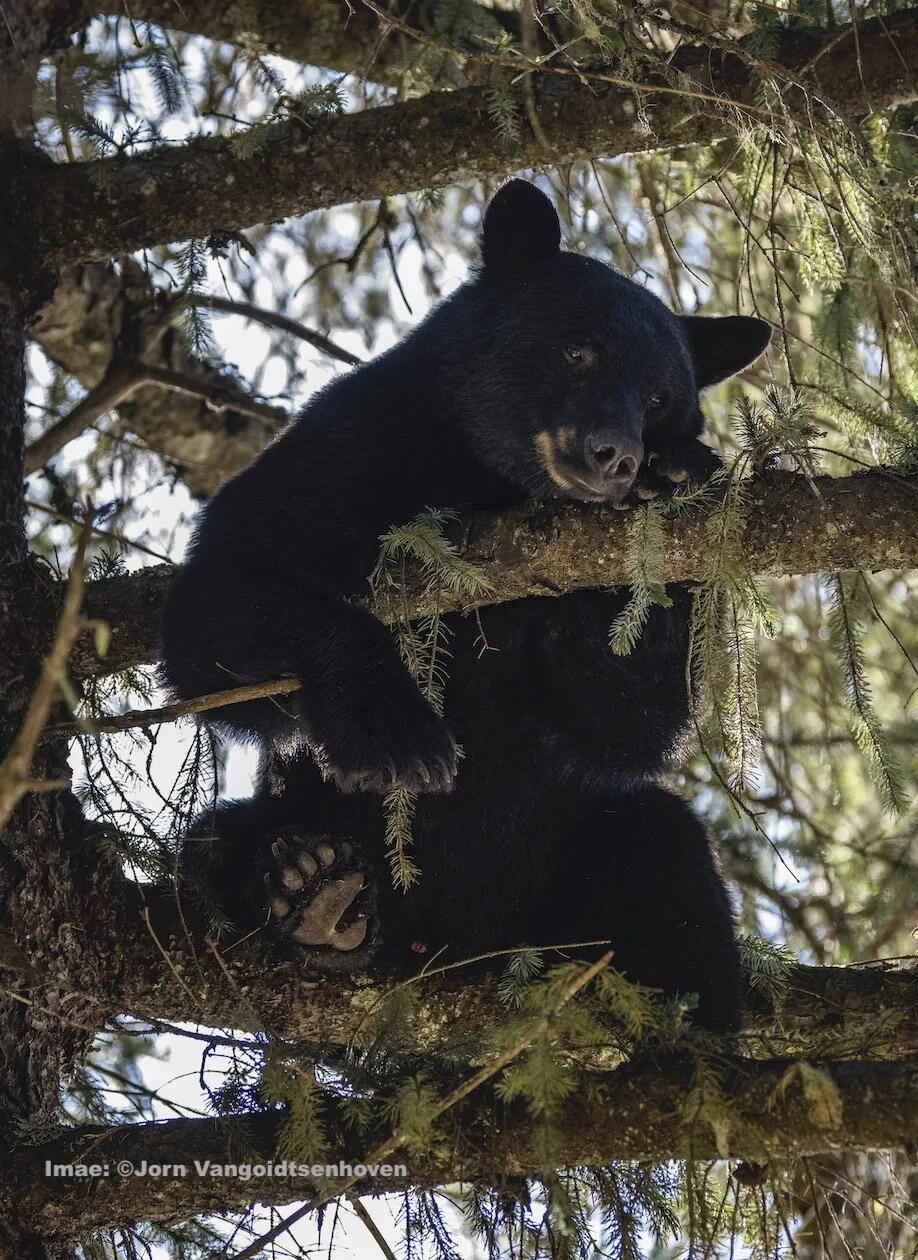
★ What’s the Difference between Brown and Black Bears?
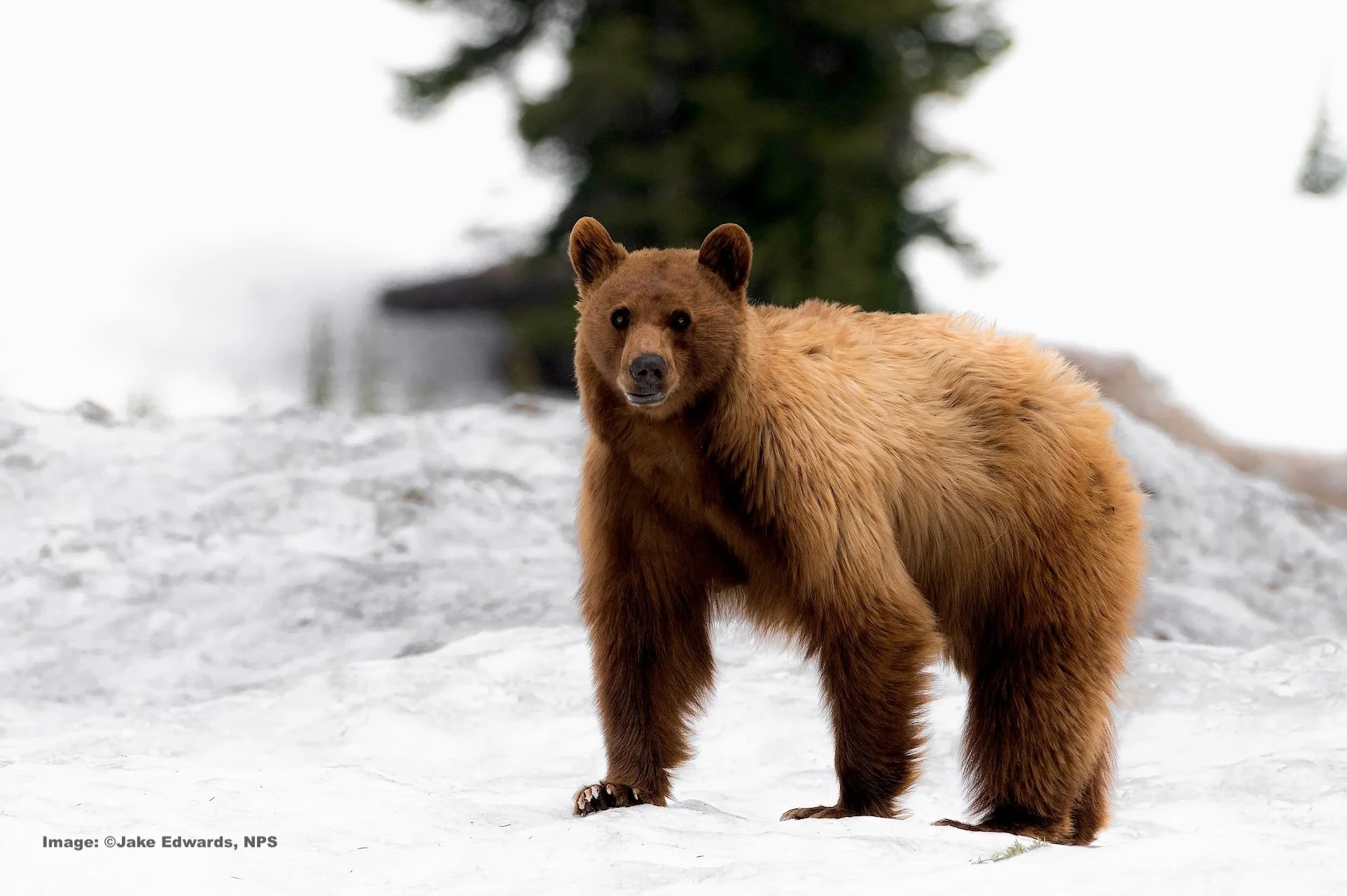
Brown bears are significantly larger than Black - but it is their distinctive shoulder hump is the most obvious clue. Image thanks to National Park Service.
Brown bears are significantly larger than Black Bears, outweighing them by hundreds of pounds - but the shoulders tell the tale! Look for a distinctive shoulder hump on the brown bear - black bears do not have it. The hump is a mass of muscle that powers Brown’s digging ability and contributes to their immense strength.
And watch their behavior. You will not find a Brown bear climbing a tree, like their Black bear cousins. Brown bears keep their feet firmly on the ground.
Why Brown Bears are Special
Brown Bears have Charisma! The powerful, second-largest terrestrial carnivores on Earth (Polar bears are larger) are so charismatic that some individuals have become world famous! What bear lover doesn’t remember the Grand Teton’s legendary roadside mamas, 399, the Queen of the Tetons, or Felicia? And who has not been fascinated by Alaska’s enormous Kodiak or Katmai “Fat Bears”? These bears of the Grand Tetons and Alaska have passionate fans worldwide.
Despite their fearsome reputation, Brown bears are intelligent, generally avoid humans, and spend much of their time grazing peacefully on vegetation. Most conflicts are caused by surprising the bear, food, or cub-related issues. When annoyed, Brown bears live up to their reputation. Follow Best Practices and avoid testing Brown bears.
Grizzly eating berries near Homer, Alaska Image: ©Jorn Vangoidtsenhoven

Grizzly bear range map, thanks to Lisa Landenburger, USGS - Interagency Grizzly Bear Study Team. Public domain. and Montana Public Radio
Brown Bear Conservation Notes:
North American brown bear populations have declined dramatically from historic levels, with about 55,000 in Alaska and Canada. Fewer than 2,000 remain across the lower 48 United States, and are concentrated in Montana, Wyoming, and Washington, with a few in Idaho.
Although protected by the Endangered Species Act in the lower 48 states, Alaska’s Mulchatna bears in Wood-Tikchik State Park, only 100 miles from Katmai and their world-famous fat bears, are under attack from the State. In 2022, 200 bears were gunned down from helicopters; in 2023, 99 bears were gunned down, including 20 cubs; in 2024, 81 were killed in one month. The killing is indiscriminate, unlimited, and includes wolf killing.
Our conservation partner, Alaska Wilderness Alliance, is working to change the Mulchatna Predator Control Program. Read more.
For a timeline on Brown bear recovery, check out this Montana Public Radio story
Brown Bear Claw Fun Fact:
The massive Brown bear claw (4 inches / 10.2 cm!) is straighter than that of Ursus americanus and is built for digging. They toss aside boulders, excavate burrows of prey animals and edible plants and tubers, and in Alaska, Katmai bears have been documented first digging up, then delicately opening a clam down the center of the valve.
Best Places and Times to See Brown Bears
Brown bears can be found across Eurasia and North America. In the Western hemisphere, they historically ranged across the western United States, into California, and Mexico, and from coastal Alaska (note: extirpated from Prince of Wales Island in the 1930’s) and Canada through the northern Rocky Mountains. These are our favorite places to see Brown bears.
►Admiralty Island, Alaska, the “Fortress of the Bear”
Brown bear on Admiralty Island are a subspecies, Ursus arctos sitkensis . Image thanks to T. Carmack, USPS
Situated in Alaska’s Alexander Archipelago, southwest of Juneau, Admiralty Island has possibly the world’s highest concentration of Brown Bear. The native Tlingit people called the island Kootznoowoo, or “Fortress of the Bears.” Although only 96 miles long and 30 miles at its widest point, Admiralty Island is home to an estimated 1,600 brown bears and 5,000 bald eagles, making it an unforgettable wildlife-viewing destination.
Bears outnumber people here, and bear tourism in the best-viewing areas is by permit only. For the best experience, you want a local guide.
Best time to See Brown bears on Admiralty Island: July through September
► Katmai National Forest, The Alaska Peninsula, Alaska, Katmai Bears
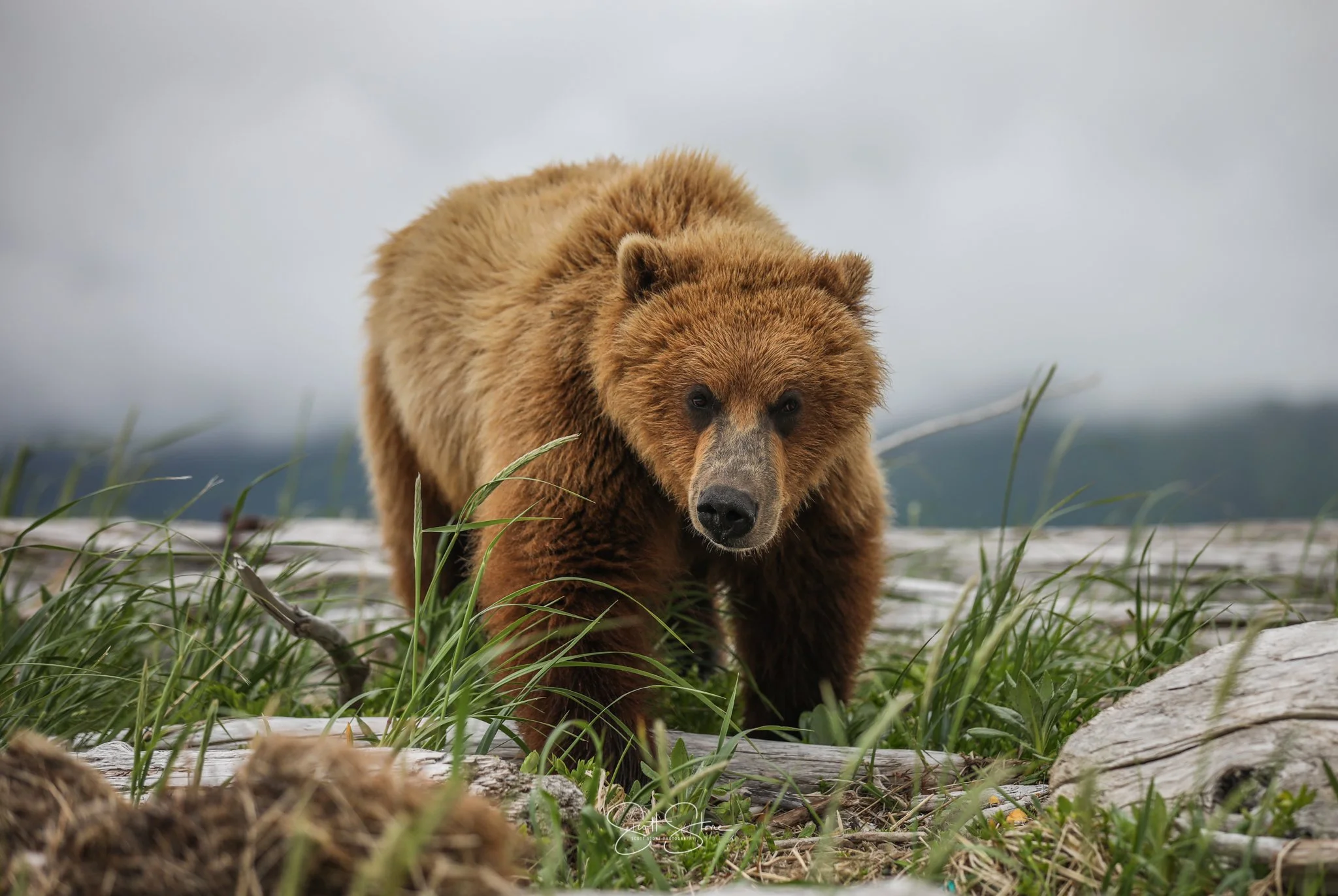
Wild, beautiful - and not easily accessible, read what photographer, Scott Stone, says about, Experiencing Alaska’s Famous Brown Bears, the Katmai Effect Image: ©Scott Stone
Brown Bear Subspecies - What is a Katmai Bear?
Ursus arctos gyas
The huge bears found only on the isolated Katmai peninsula are a unique Brown bear subspecies, famous for their size and determined salmon fishing.
The Best (ONLY) Place to See Katmai Bears
The Katmai Peninsula is a remote wilderness. Access is via air taxi flights from Anchorage, Dillingham, Homer, King Salmon, Kodiak, and other nearby Alaska towns and villages to Salmon King, the peninsula’s largest town, then by float plane, water taxi, or boat to the Park. There are NO roads in the park. One-day excursions from Anchorage or Homer, Alaska, are available. Hire a local guide for the best experience.
Katmai Park and Preserve was established in 1918 to protect the Novarupta region and the valley of Ten Thousand Smokes, an area devastated in June 1912 by the biggest volcanic eruption of the 20th century.
Brooks Falls Wildlife Viewing Platform at Brooks Camp in Katmai National Forest and Preserve
The visitor center is open from June 1 to September 17.
Reservations are made through a lottery two years in advance - Enter it from this web page.
The 2027 lottery ends on December 30th, 2025, and the 2028 lottery begins in January 2026. For overnight stays, other camps and lodges are available, but limited, in and around the park; make reservations well in advance.
Lower River Wildlife Viewing Platform. July and September through October)
Bears fish for spawning (leaping!) salmon in calmer waters; some mother bears prefer this quieter place to fish with their cubs.
The Best time for Bear Watching on the Katmai Peninsula is July (peak!) and September through October
Read the Destination: WIldlife Story: Experiencing Alaska’s Famous Brown Bears, the Katmai Effect by Scott Stone
▶︎Kodiak National Wildlife Refuge, Kodiak Island
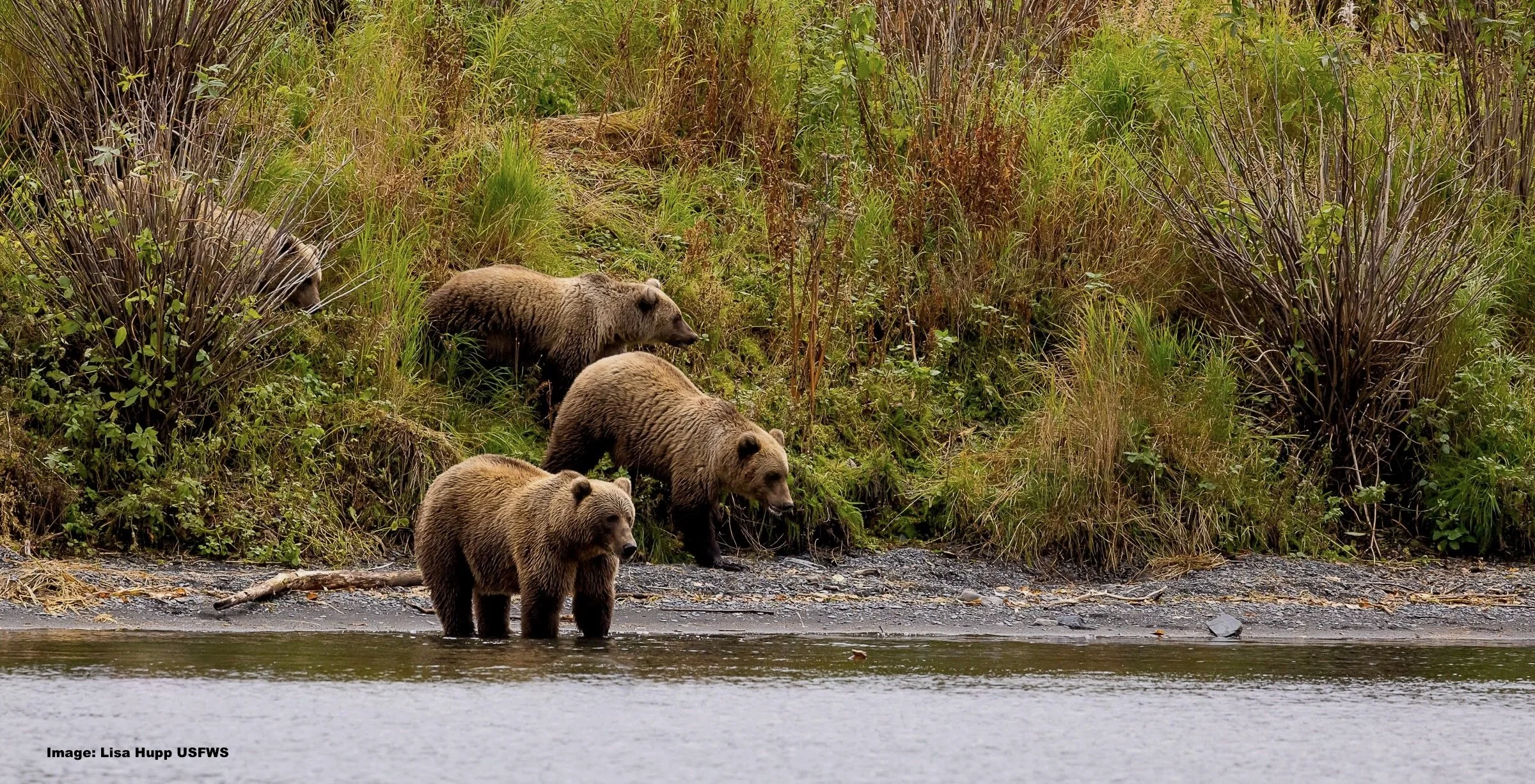
Kodiak bear family at Karluk Lake, Kodiak National Wildlife Refuge, Alaska. Image thanks to Lisa Hupp, USFWS
Kodiak Island, Alaska Map thanks to Free World Maps
Brown Bear Subspecies: What is a Kodiak Bear?
(Ursus arctos middendorffi) The largest of all the Brown bear species.
A Kodiak’s standing height is nearly 10 ft / 3.05 meters, rivaling that of a polar bear in size and weight. The Kodiak’s enormous size is thought to be a result of an abundance of fat in their diet from the nutrient-rich salmon of their coastal habitat.
Kodiaks were isolated from other brown bears nearly 12,000 years ago. They exist only on the Kodiak Archipelago, which includes Kodiak Island and the main surrounding islands of Afognak and Shuyak, along with the other small islands of Raspberry, Uganik, Sitkalidak, and others.
A Note on Kodiak Bear Conservation:
According to the Alaska Department of Fish and Game, the entire Kodiak bear population is only about 3,500 individuals. The bears are protected, and their populations are monitored, although hunting is allowed under strict guidelines.
★ Kodiak Bear Tip: Don’t miss Fat Bear Week! Started in 2015, the event has attracted over 1 billion people (yes, billion!) from over 100 countries, participating via webcams and personal visits. Vote for the fattest bear!
There are fewer than 100 miles of road across this island, and bears are rarely seen from any of them. The best way to enjoy Kodiak bears is with a knowledgeable guide. Plan a day trip from
The Best Place and Times to See Kodiak Bears
Kodiak National Wildlife Refuge on the three main islands that make up the Kodiak Archipelago, Alaska, Kodiak, Afognak, and Shuyak, is the best place to see true Kodiak bears. Hire a guide for the best - and safest - experience.
The Kodiak Brown Bear Center and Lodge, owned by the Alutiiq people, is on Kodiak Island and offers multiple-night packages that include meals, a sauna, a guide, and the chance for a deeper understanding of these amazing animals.
The Best Time to see a Kodiak Bear is July through September. May and June for mothers and COY (Cubs of the year)
Brown Bear Subspecies: What is a Grizzly Bear?
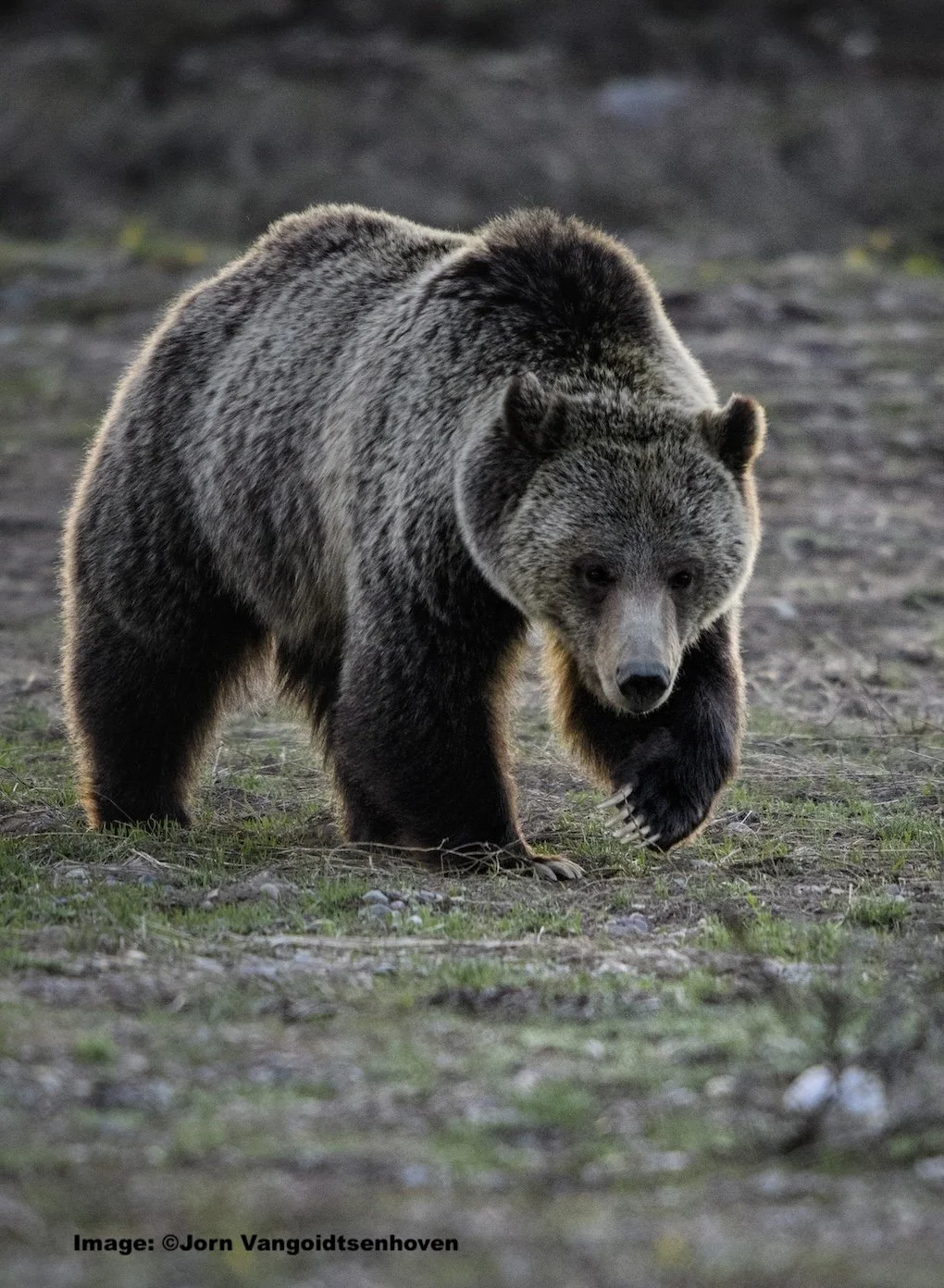
Silver-tipped hair and a massive shoulder hump identify this Brown bear as the Grizzly subspecies. Note the long claws. Image: ©Jorn Vangoidtsenhoven
Brown Bear Subspecies: What is a Grizzly Bear?
(Urus Arctos horriblis)
Grizzly bears are defined by their silver-tipped hair, factors of geographic location, and diet. Grizzlies usually live in the interior, not coastal regions, so while Katmai and Kodiak bears thrive on an abundance of easily accessible salmon, grizzly bears spend more time seeking out and competing for small mammals and plants.
Although not as enormous as their Coastal cousins, Grizzly bears are big and more aggressive than the gigantic Coastal Brown bears, characteristics generally attributed to factors of food type and availability.
The Best Places and Times to See Grizzly Bears
▶︎Grand Teton National Park, Wyoming
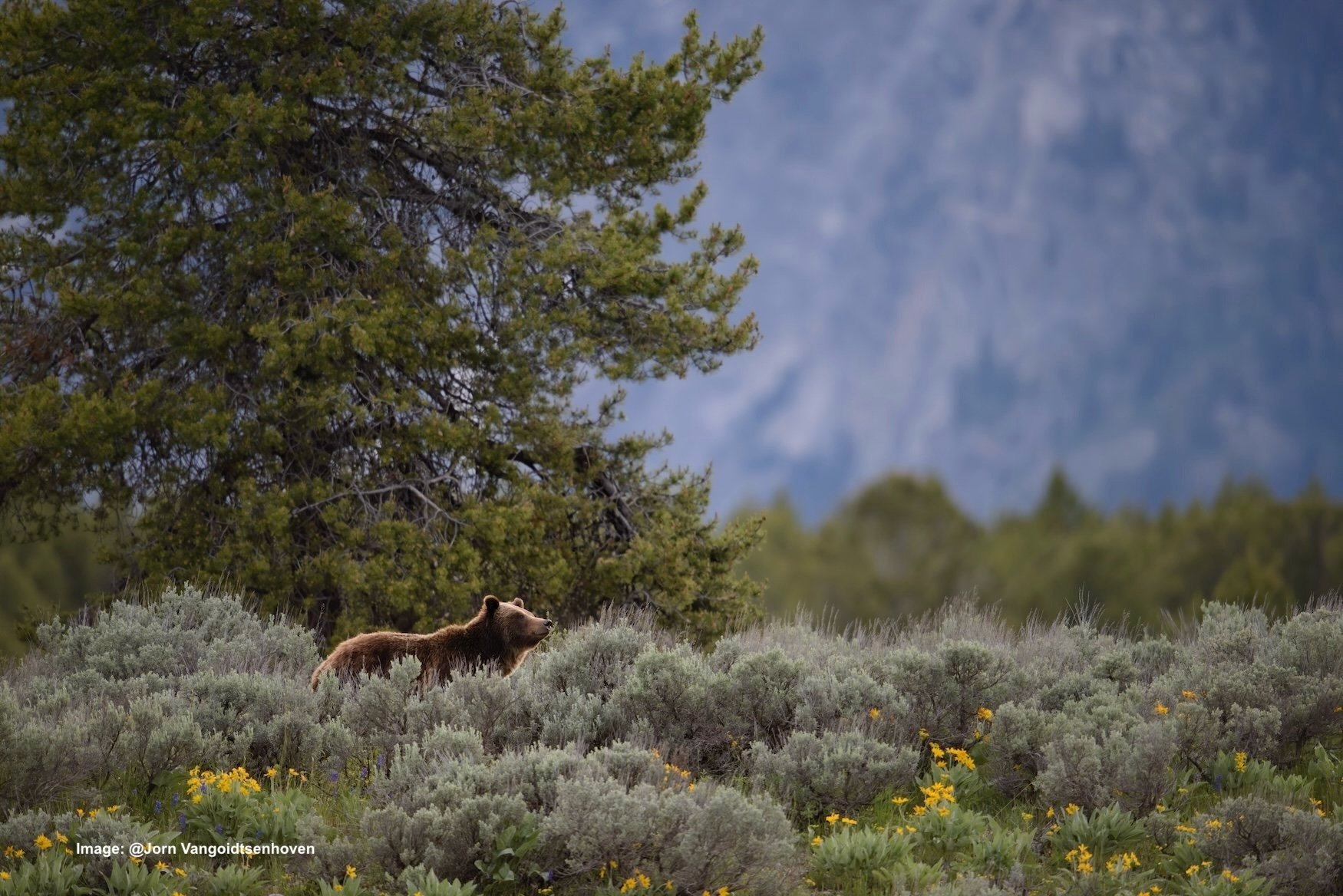
The Queen of the Tetons, Grizzly 399 lives to 28 years and gained a worldwide following before her death by vehicle strike in October 2024. Image: Jorn Vangoidtsenhoven
Home to the famous Greater Yellowstone Ecosystem grizzly population, these bears gained worldwide acclaim for their unusual cub-raising technique. Females bring cubs to the roadside where aggressive males will not go, using tourism to protect the young from aggressive male bears (boars), who would otherwise seek them out and kill them to bring the mothers back into estrus.
The ”roadside” mama bears and their adorable cubs make Grand Teton National Park one of the best places in the world for viewing grizzly bears.
Human-habituated bears also pose additional hazards. Visitors to Grand Teton should be particularly bear-aware. Stay in your car when watching bears, carry bear spray, never feed bears, or leave food remnants behind, and follow all wildlife-viewing guidelines. The grizzlies here embody the challenges of coexistence in areas where human development borders critical wildlife habitat.
Best Time to See Grizzly Bears in Grand Teton National Park: April-November
Read More at, Catching Up with the Grand Tetons Famous Bears
►Yellowstone National Park
Best Time to See Grizzly Bears in Yellowstone National Park: (April-November)**
Check out the Hayden and Lamar Valleys areas for the best spring and fall viewing
The Mount Washburn area is where to look for bears’ berry feeding in late summer
More Great Off-the-Beaten-Track Destinations for Brown Bears
#3 Polar Bear – Ursus maritimus
The Polar bear, the worlds largest land carnivore is considered a marine mammal because it hunts primarily in the sea! Image: ©Sean Beckett
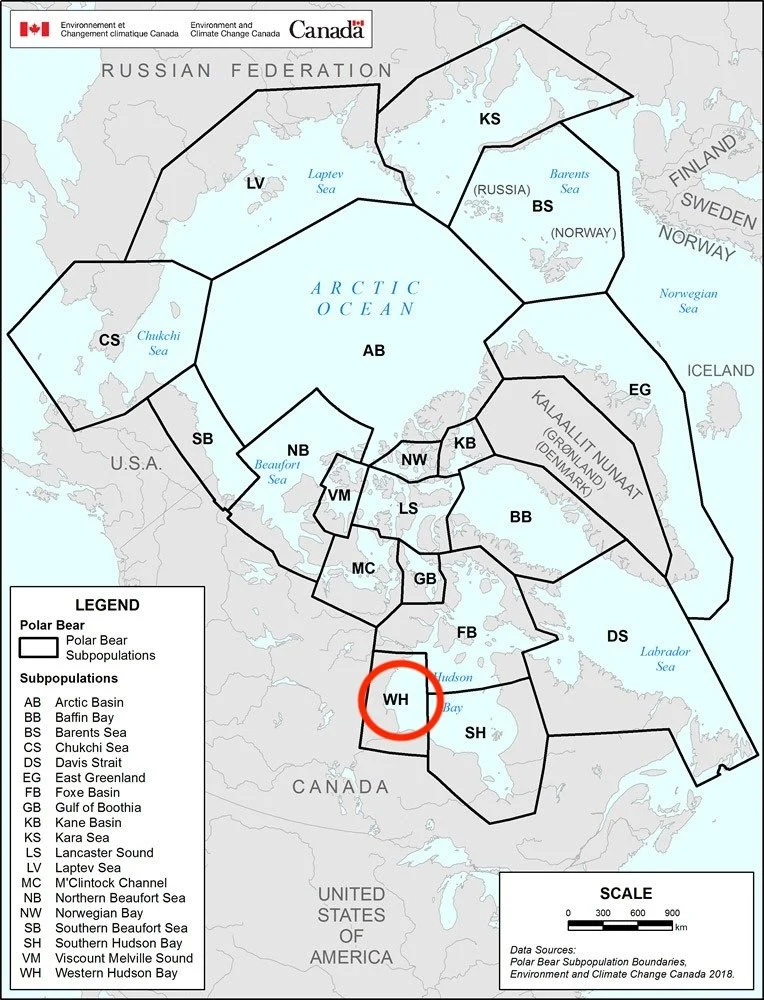
Thanks to the Canadian Government for use of this Polar Bear Circompolar subpopulation map
IUNC Rated: Vulnerable and decreasing.
Other Names for Polar Bears include Nanook or Nanuq (Inuit), Sea Bear, Ice Bear
Why Polar Bears are Special:
The world's largest land carnivores, Polar bears are classified as marine mammals because they are almost entirely dependent on the ocean and sea ice for survival. Polar bears are also the most carnivorous bear; the Polar bear’s diet consists almost entirely of seals, although they occasionally consume kelp, fish, walrus, or narwhals, and human trash.
Remarkable adaptations include water-repellent fur, partially webbed paws for swimming, and the ability to detect seals through three feet of ice.
Polar Bear Conservation Status: Vulnerable
Polar Bear Distribution:** Circumpolar Arctic, across 20 recognized subpopulations spanning Alaska, Canada, Greenland, Norway, and Russia. Found exclusively in the Arctic region.
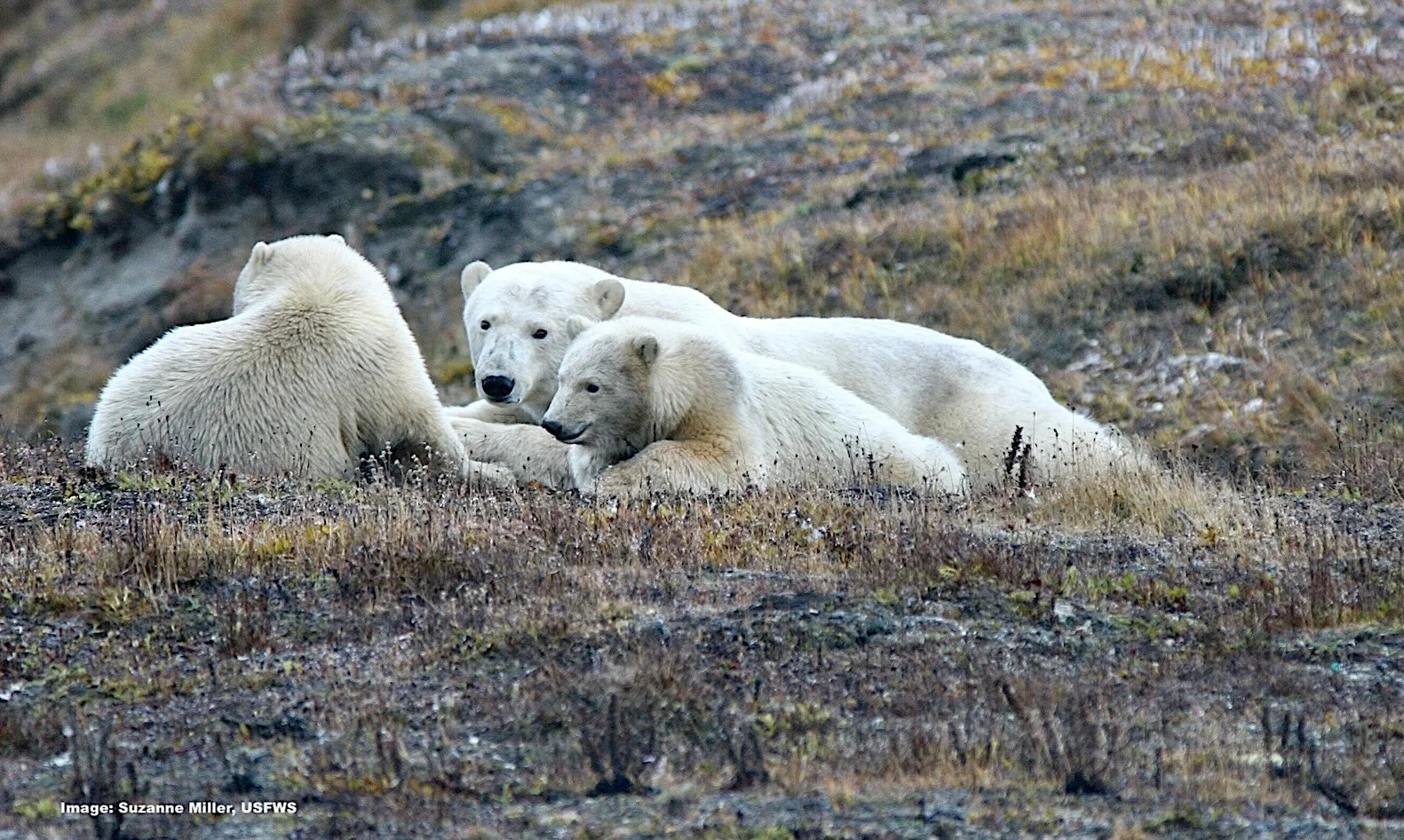
Polar bears hunt seals from the ice. During months iceless months, they rest, some den - and fast. As climate change causes fasting periods to lengthen, Polar bears are dying. Image: Suzanne Miller, USFWS
How to Understand and Identify a Polar Bear
✔︎ Color: White appearing fur (it is actually pigment-free) with black skin beneath (for heat absorption). They have elongated bodies, long necks adapted for hunting underwater, and massive paws up to 12 inches across that serve as snowshoes and paddles.
✔︎ Height to Shoulder. Polar bears are the largest bear species, measuring 36 – 54 inches (91.4 – 137.16 cm)
✔︎ Weight: Traditionally, Adult males 900-1,600 pounds (some exceed 1,700 pounds), females weigh 330-550 pounds.
✔︎ Polar Bear Lifespan: 25-30 years in the wild. Maturity at 4-6 years for females, 6 to 10 years for males
✔︎ Polar Bear Diet: These highly specialized carnivores primarily eat ringed and bearded seals.
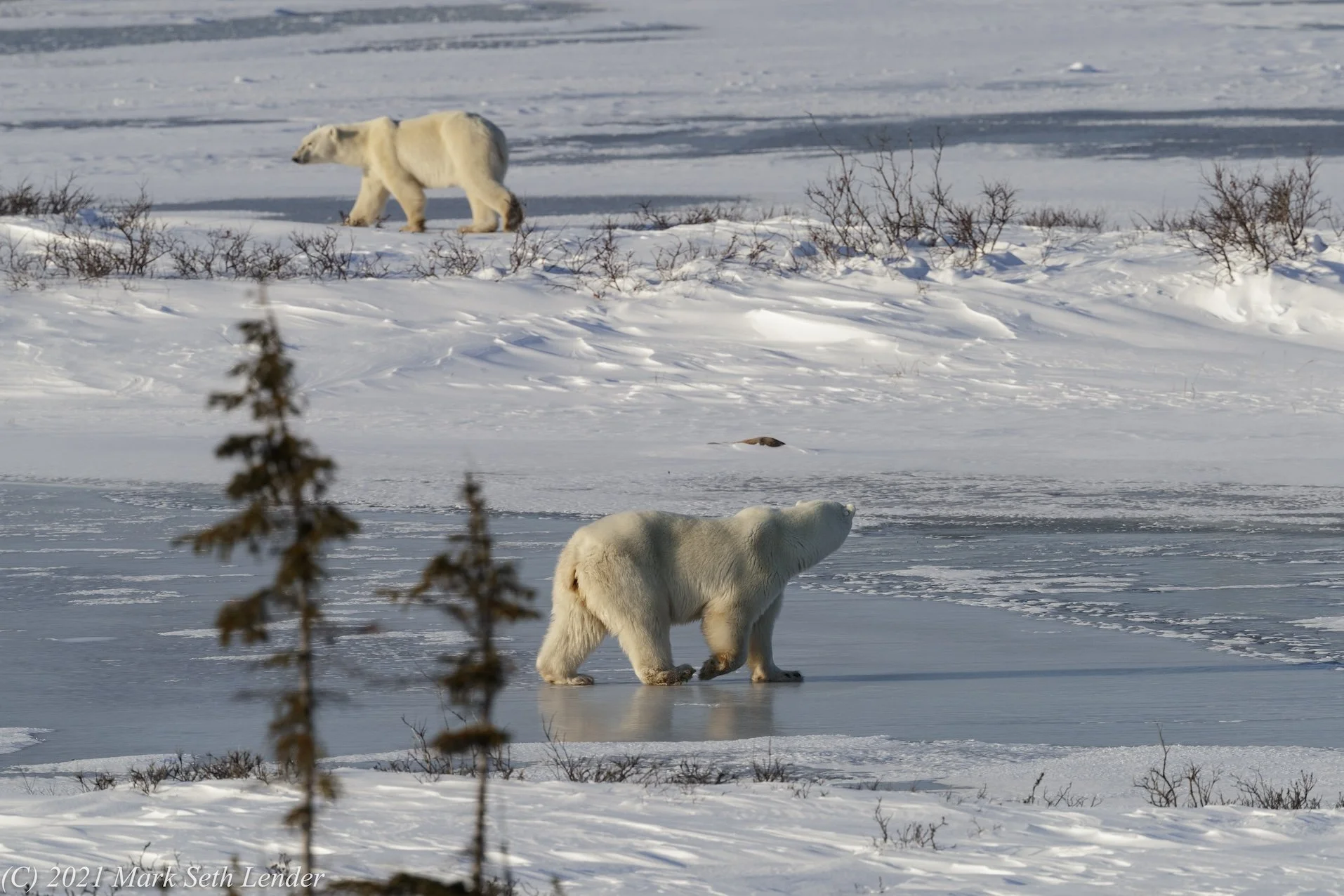
Polar bears are becoming generally thinner as the frozen season becomes shorter. Image: ©Mark Seth Lender
Conservation Note: Polar bears, long its “poster child,” are almost a climate change cliché, but the facts are anything but frivolous. Polar bear survival is uncertain due to rapid Arctic sea-ice loss driven by climate change.
Polar bears hunt from ice floes, patiently waiting for their prey at breathing holes or by breaking into seal dens. During ice-free periods when hunting is impossible, they rely on fat reserves and may fast for months or opportunistically scavenge. Some populations supplement their diet with bird eggs, vegetation, and marine mammals, but longer ice-free periods caused by the warming climate are leading to starvation, drowning, and lower reproductive rates among Polar bears.
If warming trends continue, Scientists predict significant population declines (30-50%) by mid-century. Hudson Bay populations have already decreased by 27% from 2016 to 2021 (the last survey available) and by 40% between 2001 and 2010, and continue to decline. According to Polar Bear International estimates, about 26,000 remain in 20 locations worldwide.
Contaminants and Pathogens: According to Polar Bear International, as the climate warms, the bears are being exposed to pathogens they have not encountered before. Other contaminants, including plastics and chemicals of unknown origin, are also being found in the bears.
On the brighter side, Churchill’s local, responsible Polar Bear-watching tourist industry has brought economic benefits to many locals and supports education and conservation efforts.
Life in the Arctic is harsh. Polar bears stay with their mothers for two to three years to learn how to survive. Image: ©Cheryl Ramalho
Polar Bear Claw Fun Facts – these Paws were made for walking!
Polar bear claws are shorter, sharper, and thicker than Brown bear claws. Their curved shape is perfect for gripping ice and snow. Wide paws (up to 12 inches across) and flat feet are made for carrying them over distances of up to 12 miles a day. Satellite telemetry data show they can travel 695 miles (11119 km) in a single year! The huge paws are also helpful for open-ocean swimming, while their hind legs serve as a rudder.
Best Places and Times to See Polar Bears
►Churchill, Manitoba, Canada - ”The Polar Bear Capital of the World”
The Best Time to See Polar Bears in Churchill is October-November
Churchill, Manitoba, is the most famous, and possibly the most accessible place to see Polar bears in the Western hemisphere. Here you will seek out the bears from specialized tundra buggies that offer prime viewing from a warm, safe position above the snow, perfect for photography.
During the season, about 900 bears congregate here along the Hudson Bay coast, waiting for the ice to form and for their opportunity to hunt seals in the frozen Arctic. Polar bears are not the only wildlife in this frozen land. From the buggies, you might see Arctic fox, Arctic hare, Arctic wolf (!) Snowy owls, Ptarmigan, and in the Bay itself, perhaps some lingering Beluga whales.
A guided tour is the best way to see Polar bears.
#4 The Spectacled Bear - The Cloud Forest Wanderer
Species: Tremarctos ornatus IUNC rated: Vulnerable
Other Names for Spectacled bears: Andean bear, Mountain bear, Ukuku (Quechua), and, of course, they are the model for the famous Paddington bear!
Why Spectacled Bears are Special:
The Spectacled bear is South America's only bear species and the last surviving member of the short-faced bear subfamily (Tremarctinae). The distinctive facial markings that give them their name are unique to each individual, like human fingerprints.
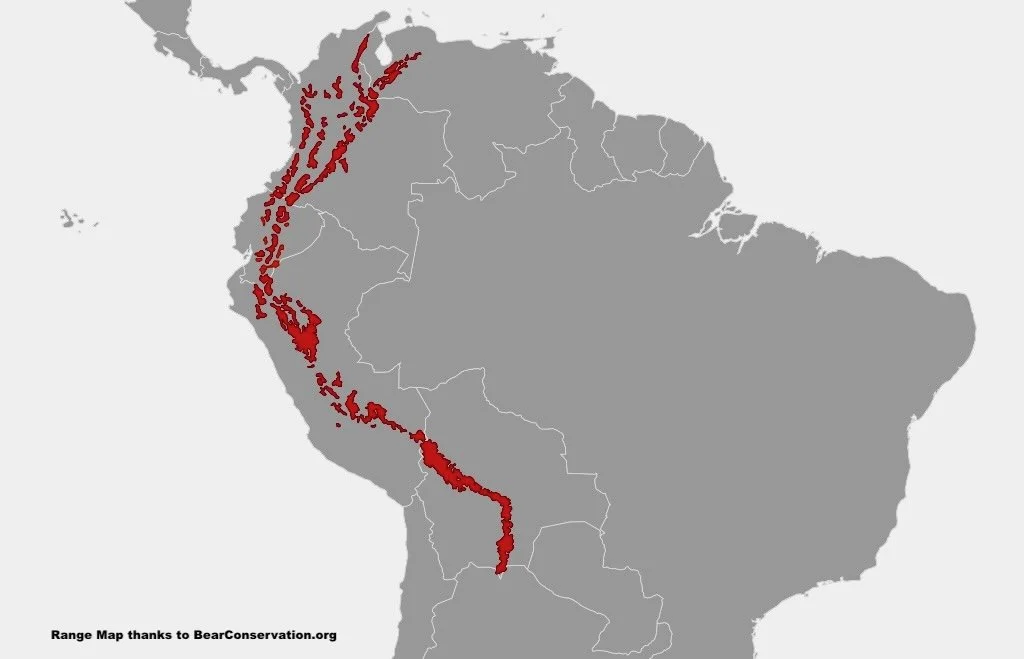
Andean or Spectacles bear range map. Thanks to BearConservation.org UK
Little is known about these mysterious bears that inhabit some of the world's most biodiverse ecosystems—Andean cloud forests and páramo grasslands. Today, they are being studied in Chingaza National Park, Colombia. Local people who still live on land they were allowed to keep when the park was created monitor and help protect the bears, and are integral to international Andean bear studies.
Andean or Spectacled Bear Fun facts:
Style! Their scientific name, Tremarctos ornatus, means decorated bear.
Patience! An Andean or Spectacled bear will sit for days in a tree just waiting for its fruit to ripen!
Communication Scientists believe that the Andean bear may use more vocalizations than any other bear, except the Giant panda, including a shrill screech and a soft purr.

In Ecuador, Colombia and Peru, conservation of the Andean bear is becoming more important as tourism to see the bears is bringing economic benefits to the local people. Image: ©Meinzahn
Conservation Notes for the Andean Bear: Vulnerable (VU)
Andean or Spectacled bears are very reclusive, challenging to see and study in the wild, and their data is conflicting. The WWF estimates only 6,000-10,000 individuals remain in the wild across fragmented populations.
Among many threats, Spectacled bears face habitat loss and degradation due to human encroachment, legal and illegal crop cultivation, forest clearing, mining, and petroleum exploration. All these factors also contribute to human-wildlife conflict and illegal hunting.
As with all Western Hemisphere bear species, climate change is altering delicate habitats that are already under pressure from agriculture, cattle ranching, and development, all of which are primary drivers of declining populations. New road development fragments and isolates populations. Human-wildlife conflict, primarily over livestock predation, although largely unproven, is also factoring into the declining numbers, as is illegal hunting for bear parts used in traditional medicines.

Andean or Spectacled bear in Ecuador, the bears’ character, curious and usually nonaggressive, can make it easy for photographers - or poachers. Image: ©Ammit
How to Understand and Identify an Andean Bear
✔︎ Color: Their black or dark brown fur and distinctive cream or white markings around their eyes give Spectacled bears their name, though not all individuals have the eye markings. They possess powerful front limbs and long claws for climbing.
✔︎ Height: between 34 and 81 inches (88 to 206 cm) long and are 2 to 3 feet (61to 91.5 cm) tall at the shoulder.
✔︎ Weight: The Spectacled is a medium-sized bear weighing (according to the International Association for Bear Research and Management) 74 to 386 pounds (34 to 175 kilos). Females are about half the size of males.
✔︎ Spectacled Bear Diet: The gentle creatures are mostly (95%) vegetarian. They prefer bromeliads, orchids, cacti, palm hearts, berries, and bamboo, using their strong jaws and flat molars to grind the tough, fibrous parts of plants, such as bromeliad hearts, orchid bulbs, and tree bark. matter. Andean bears are excellent tree-climbers who build feeding platforms high off the ground. Small rodents, birds, and insects make up about 5% of their diet.
✔︎ Lifespan of the Spectacled Bear: 20-25 years in the wild. The bears reach sexual maturity between 4 and 7 years.
✔︎ Distribution: The bears live in the Andes Mountains from western Venezuela through Colombia, Ecuador, Peru, and Bolivia to northern Argentina at elevations from 600-14,750 feet (183 to 4500m), primarily in cloud forests and páramo ecosystems.
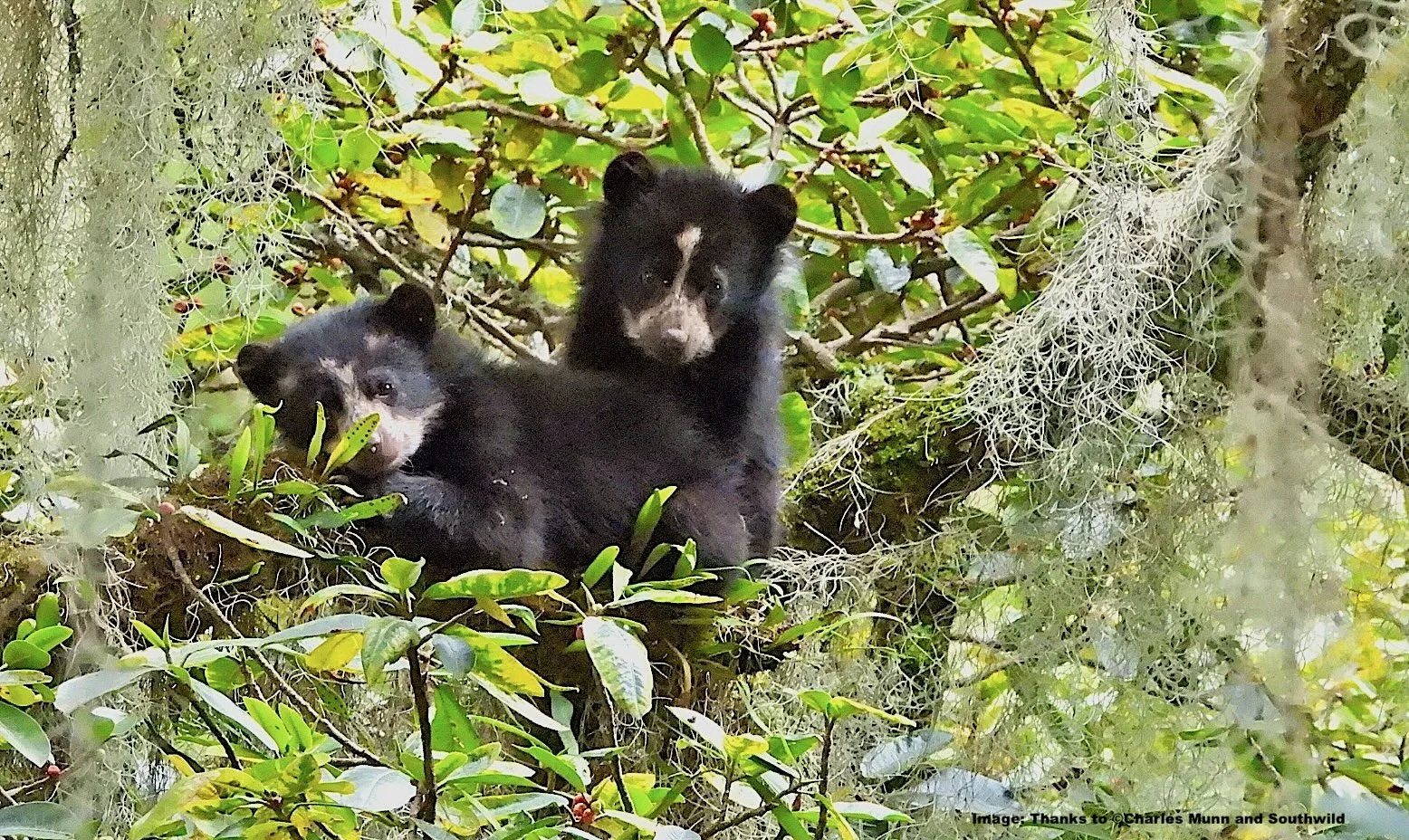
Spectacled bear cubs in the Bear Canyon, The Maquipucuna Cloud Forest Reserve, Ecuador. Image thanks to ©Charles Munn and Southwild.
► Bear Canyon, The Maquipucuna Cloud Forest Reserve, Ecuador
At the center of Chocó Andino Biosphere Reserve, this private 14,000-acre reserve high in the cloud forest, about 2. 5 hours northeast of Quito, offers “guaranteed” sightings of the shy Spectacled bears from a viewing platform as they forage the reserve's thousands of “aquacatillo” trees, a wild relative of the avocado. The land and its wildlife have been protected here for 35 years, and today, over 400 bird species (designated an IBA in 2005 by BirdLife International) and over 15% of Ecuador’s wild species, including sloths, call it home.
Accommodation is limited in the lodge cabins. They have an area for your tent set-up (shower in the research facility), and a separate housing facility for researchers and scientists.
► Chingaza National Park, Colombia
This is a high-altitude páramo ecosystem about an hour outside of Bogotá. The rare Andean Bear is not the only endangered, threatened, or extremely rare species in the Colombian Páramo. There we may find the huge Andean condor floating high above the mountains or a tiny Green-bearded Helmetcrest hummingbird flitting among hardy flowers. And look for the endangered Carrikeri Harlequin frog.
The trail systems are good here, but you will need a knowledgeable guide - these bears, shy and scarce, are studied here.
Best Time to See an Andean or Spectacled bear in Chingaza National Park, Colombia: (See video above)
Year-round, best December-March.
► Chaparri Ecological Reserve, Peru
Puru’s first legal private reserve is dedicated as a habitat for endangered species, including the Andean bear. The reserve is a partnership between wildlife photographer Heinz Plenge and the local Muchik campesino community of Santa Catalina de Chongoyape.
Recued, unreleasable individuals offer good opportunities to see, watch, and learn about these bears.
Best Time to See an Andean or Spectacled bear in Chaparri Ecological Reserve, Peru: May-October
►Manu National Park, Peru (May-October)
Located in Southwest Puru, the 1.716,295-hectare / 4,241,057 acres reserve protects the meeting point of the tropical Andes and the Amazon basin.
Spectacled bears are found at the Park’s mid-to-high elevations in its cloud forest zones. The Spectacled bears are only one of the species found in this remote, incredibly biodiverse park, A UNESCO World Heritage Site since 1977
Best Time to See an Andean or Spectacled bear in Manu National Park, Peru: May-October
Conclusion: The Western Hemisphere Bears and the Best Places to See Them
The bears of the Western Hemisphere are fascinating to watch and wonderful, charismatic subjects for the camera. But more than that, they are vital parts of delicate ecosystems. Black, Brown, and Andean bears protect forests and farmers by consuming large numbers of harmful insects; they are important seed-dispersal agents. Brown Bears, especially Grizzlies, help keep ungulate herds alert and healthy by predating on the weak or sick and dining on carrion. Brown and Black fish-eating bears fertilize the forest by dragging fish carcasses far from riverbanks. Polar bears are harbingers of the Arctic’s land and sea ecosystem health. Each of these big, lumbering creatures helps to make the Earth a healthier environment for us all. And they are fascinating to watch! When you want to see them, we are here for you.
Bear Conservation and Threats Faced By All Bears
Each region a bear inhabits will come with its own unique threats and challenges, but some are common to all bears - and many other wildlife species.
Habitat Loss and Degradation
Development, including resource extraction (mining, drilling, and clear-cut forestry), and human encroachment are taking a toll on all bear populations, with fragmented populations being a dire side effect. “Islands” of populations lead to genetic isolation, increased inbreeding, and disease vulnerability.
Human-wildlife conflict near livestock and communities.
There is a saying, “a fed bear is a dead bear. Bear species, from the Arctic to the Andes, die from human bad behaviour, including feeding or leaving food, birdseed, trash, or pet food around. This human behaviour eventually leads to aggressive, dangerous, and subsequently euthanized bears, including well-loved celebrity bears or their cubs. This is especially a problem for Brown and Black bears in the Grand Tetons and Yellowstone areas.
Other causes of aggression include: Startling a bear, especially a mother bear, or accidentally separating her from her cubs.
And, occasionally, Brown bears prey on young calves or other farm animals. Note: In Montana and elsewhere, very good outcomes have been reported using certain dog breeds for guarding livestock.
Climate Change:
None of the four bear species can escape the effects of climate change, and its impacts are exacerbating all the other threats. Entire ecosystems that they depend on are changing, impacting the availability of food and water sources. Some species are adapting, while others, like the polar bear, may not be able to.
Trophy hunting,
Still permitted in some jurisdictions, trophy hunting is a threat in some of the last bear strongholds. In the lower 48 states, brown bears remain on the Endangered Species list, but there is mounting pressure to remove them from the list for trophy hunting. In Alaska, they can be, and are, hunted.
Specific Conservation Threats Faced by Brown, Polar, and Andean Bears:
In Mulchatna, Alaska, the Department of Fish and Game is indiscriminately shooting Brown bears from helicopters in an effort to bring back caribou herds. Unfortunately, independent studies have shown that caribou numbers are declining due to disease (brucellosis) and hunger, not bear predation. The lichen they feed on is disappearing as the climate warms. Less food = fewer calves born and fewer still surviving. Bears and wolves are being blamed. The Alaska Wildlife Alliance, the Center for Biological Diversity, and others are fighting back.
In the Arctic, Polar bears are hungry: As sea ice diminishes and ice-free periods lengthen, the bears’ fasting periods are more extended, and hunting opportunities for their primary prey, seals, diminish. The bears swim farther out to sea in search of seals, increasing the risk of drowning.
Additionally, Polar bears have New Competition from Brown bears: Studies have shown that the warming climate is bringing the more aggressive Brown bears north, displacing Polar bears when they overlap.
Andean bears face an additional threat: They are still hunted for their gall bladders and paws for traditional medicine.
Interested in seeing and learning about bears in the most interesting places in the Western Hemisphere? Let us know