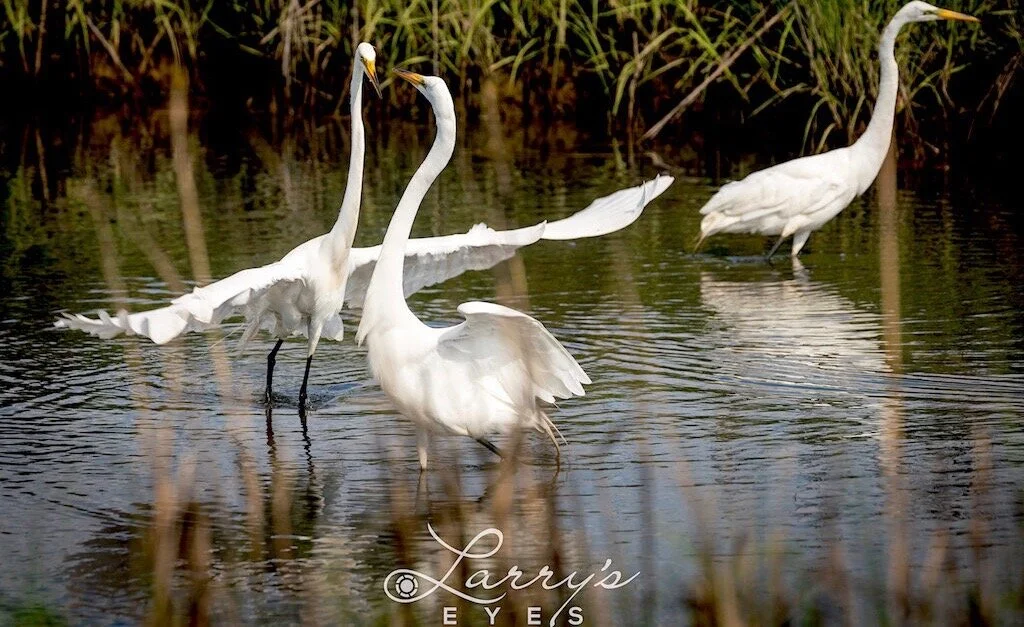
Before there was an Everglades National Park, there was Everglades, the ecosystem. This Everglades has been around for 5,000 years! The Greater Everglades Ecosystem is a region of tropical wetlands beginning at the headwaters of the Kissimmee River, draining into Lake Okeechobee, and finally spilling fresh water to Florida Bay. This once vast, shallow, and free-flowing river of grass has been exploited, polluted, and drained for decades, threatening Florida’s water supply and its amazing biodiversity. The Everglades are home to the highly endangered Florida panther and Florida mink, to black bear and bob cat, to both alligator and crocodile, and a plethora of migratory and resident birds. Today, Floridian’s are fighting to restore the Everglades. Unique in the world, there is no other place on Earth like the Everglades. The Everglades is a place not to miss.
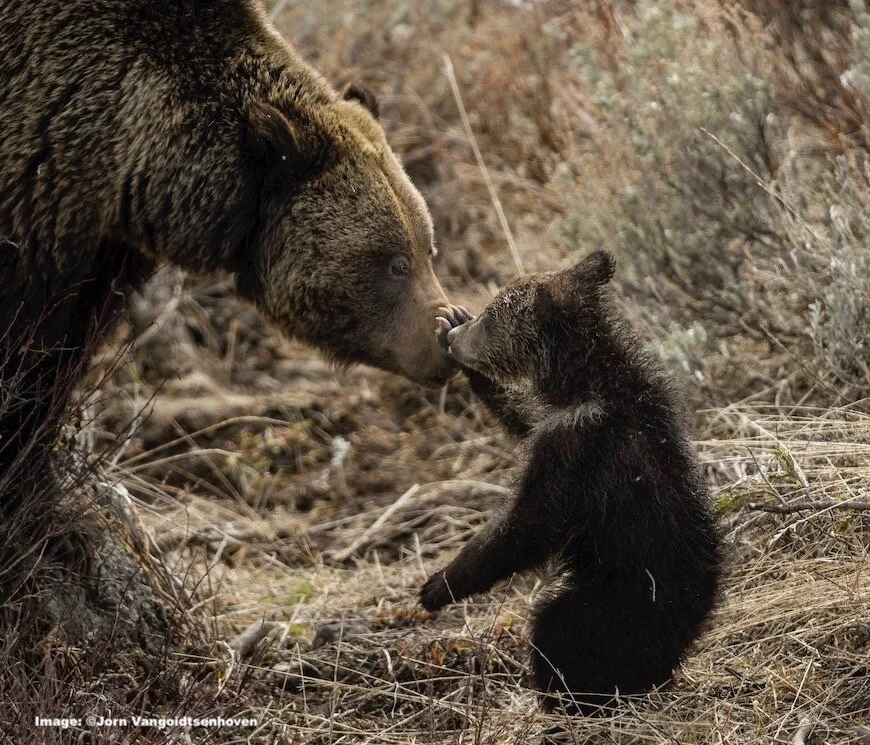
Read MoreThe charismatic grizzly bears of the Grand Teton are beloved worldwide, but feeding and other irresponsible behavior by humans are putting them at risk for euthanasia. Can grizzly 399, and Felicia and their offspring survive human bad behavior? An interview with Friends of the Grand Teton by wildlife photographer, Jorn Vangoidtsenhoven.
Read MoreCapturing the image of a huge, powerful moose with full antlers is an image any wildlife photographer would love to have - but how do you get that photograph? Wildlife photographer, Jorn Vangoidtsenhoven shares his favorite techniques, equipment, locations, and secrets for taking great moose photographs in Grand Teton National Park.
Read MoreVisiting Antarctica is a dream for many people. Although this frozen, southernmost point of the earth may be devoid of humans, it supports a fantastic array of life, including eight penguin species, seals, sea and land birds, and whales. However, photographer Larry Blau found out that Ushuaia, Deception Island, and the notorious Drake Passage make getting there half the adventure.
Read MoreUpdated 2021. Only three hours from Manhattan, snowy owls, endangered short-eared owl, and a host of hawks winter in small town Fort Edward, New York. New York’s Washington County Grasslands are an Audubon listed IBA (Important Bird Area), a great weekend wildlife photography, birdwatching escape. and one of my favorite places in New York State.
Read MoreIn Yellowstone’s Lamar Valley, a life-and-death drama plays out in front of Mark Seth Lender’s eyes. Was the huge, stately elk caught unawares? How was one so perfect be caught? Will it survive? Are wolves killing for sport? Or did the wolves understand something the human eye could not perceive? Wolf expert Dave Mech explains to Mark and us what the wolves already knew.
Read MoreBison! Everyone knows the best place to photograph the iconic American plains bison is Yellowstone National Park. But that is exactly the problem. Jorn Vangoidtsenhoven shares his favorite lens secrets plus when to go and where to head in Yellowstone to get the best bison shots. When the spring babies are growing up and the exciting fall rut is months away this wildlife photographer’s lens turns toward - BISON!
Read MoreSometimes you can find a new universe in a shut-down world. Prior to the pandemic, photographer Larry Blau’s subjects were exotic wildlife, distant places and new cultures. Then COVID slammed the doors. Blau had to change his perspective and learn new photography techniques and as he did, the world around him expanded.
Read MoreGrizzly bear #863, known as Felicia by her thousands of fans, is a roadside bear under pressure. Commercial and general traffic, humans behaving badly, understaffed federal and state agencies with overlapping, unclear jurisdictions all combine on a section of Wyoming highway. The result is a very uncertain future for grizzly bear, Felicia and her cubs. What is the answer to wildlife survival in a world full of humans?
Read MoreAmerica’s wild horses, our Mustangs, are an icon of the old west. Brought here by the Spanish explorers in the 15th and 16th Century, escaped horses quickly became feral and thrived in the open plains and grasslands. Some re-captured horses became integral to the lives of the human population, both Native American and immigrants to the New World - while others remained free to roam. Jorn Vangoidtsenhoven fell in love with them at first sight and looks into the modern controversy that threatens them.
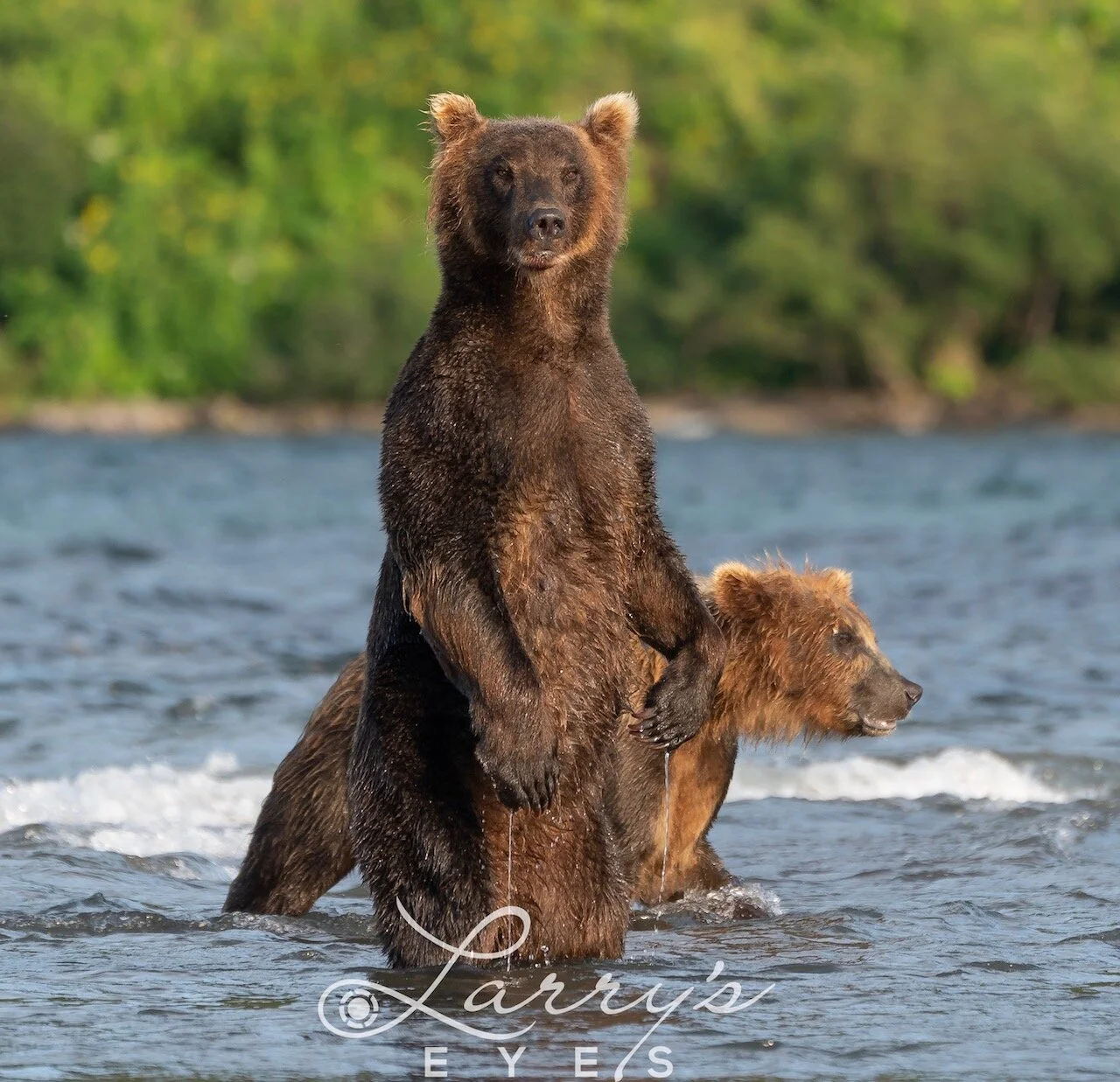
Read MoreThe Kamchatka Peninsula, 4205 miles / 6767 km from Moscow in Russia’s far east, is not an easy trip, as wildlife photographer Larry Blau will readily tell you. Kamchatka is a land of volcanos and brown bears, and fewer than 400,000 resilient people spread thin over a few small towns and villages. The journey involves long plane rides, military-style helicopters, more hours overland in a KAMAZ, and then over water in a high-speed pontoon boat. But what you experience in Kamchatka will stay in your soul forever. Bring your camera.
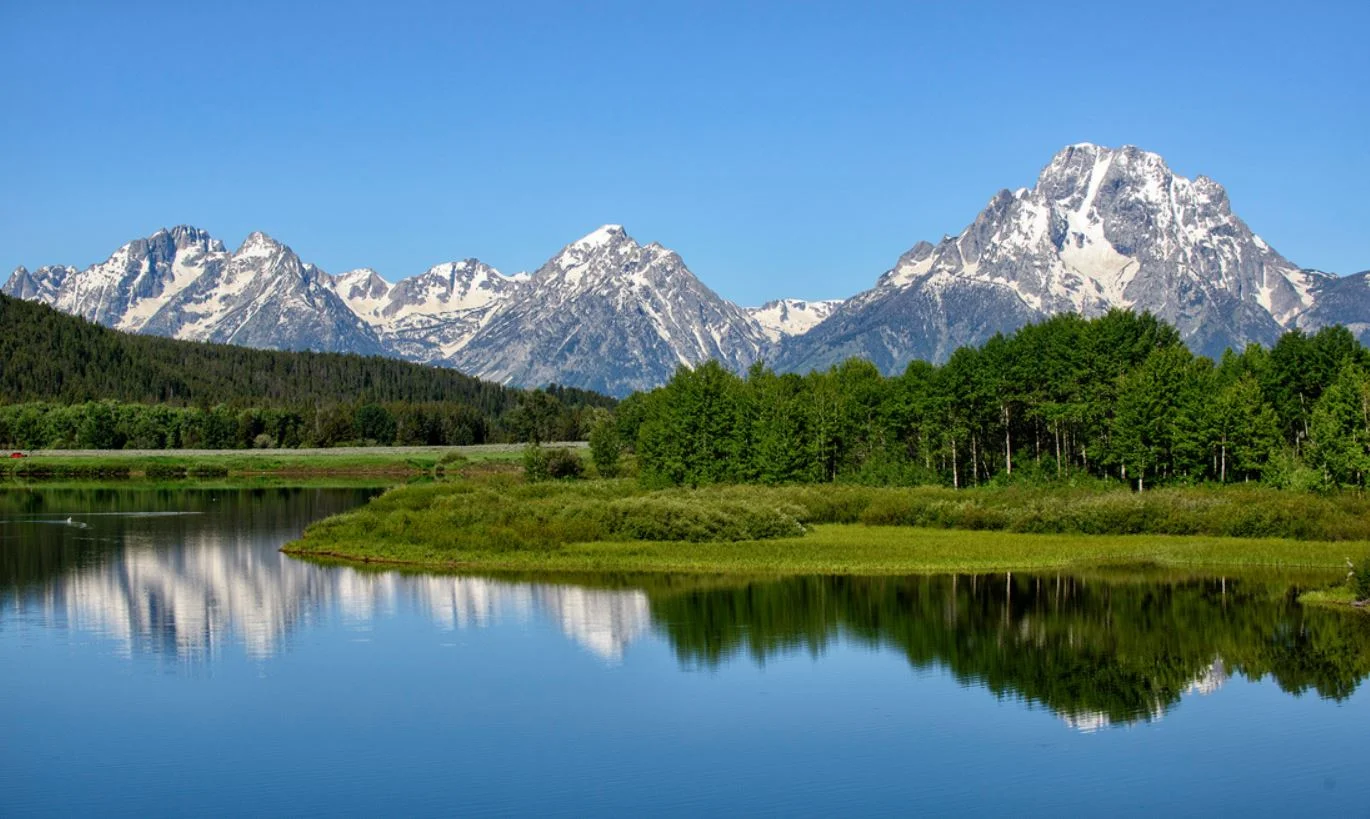
Read MoreA year of pandemic lockdown has made us hungry for open spaces and where better to experience them than in our National Parks? The United States is a country with mind bending diversity. The number of wildlife (432 mammals), and birds, (800) species alone are staggering and they are spread out over a land comprised of 7 different biomes: Tundra, taiga, tropical rainforest, temperate rainforest, grasslands, desert and alpine. LExplore 4 of our favorites, Yellowstone with Grand Teton National Parks, Big Cyprus National Preserve, The Charles M. Russell National Park, and El Yunque National Forest in Puerto, Rico.
Read More