
Namibia and Botswana 13-Day Birding and Wildlife Adventure

Birding Namibia and Botswana
12-Day Birding and Wildlife Adventure
To Benefit Grassland Bird Conservation
The Experience
13 Days - 12 Nights
Best Dates: February to April
✔︎ Go Deep! From desert to delta, this unique corner of the world is like no other.
✔︎ Go Wild in Namibia! With the desert-adapted creatures of Namibia’s arid expanses ( 360+ bird species in Etosha alone, plus lions, elephants, giraffes, rhinos, zebras and a plethora of fabulous ungulates)
✔︎ And Again in Botswana! Then leave the desert behind and search for water-loving avian species among the hippos and Nile crocs along Botswana’s storied Okavango.
✔︎ Stay Personal: Meet and be welcomed by the people who have devoted their lives to protecting these places and the amazing bird and wildlife that depend on them
✔︎ Make a Difference on Two Continents: 10% of your trip cost is donated in your name to a US-based 501(c)(3) conservation-missioned organization for the preservation of birds and habitat.
Limited to 6 Guests
Post-Tour Extension is available. Enquire here
The Highlights
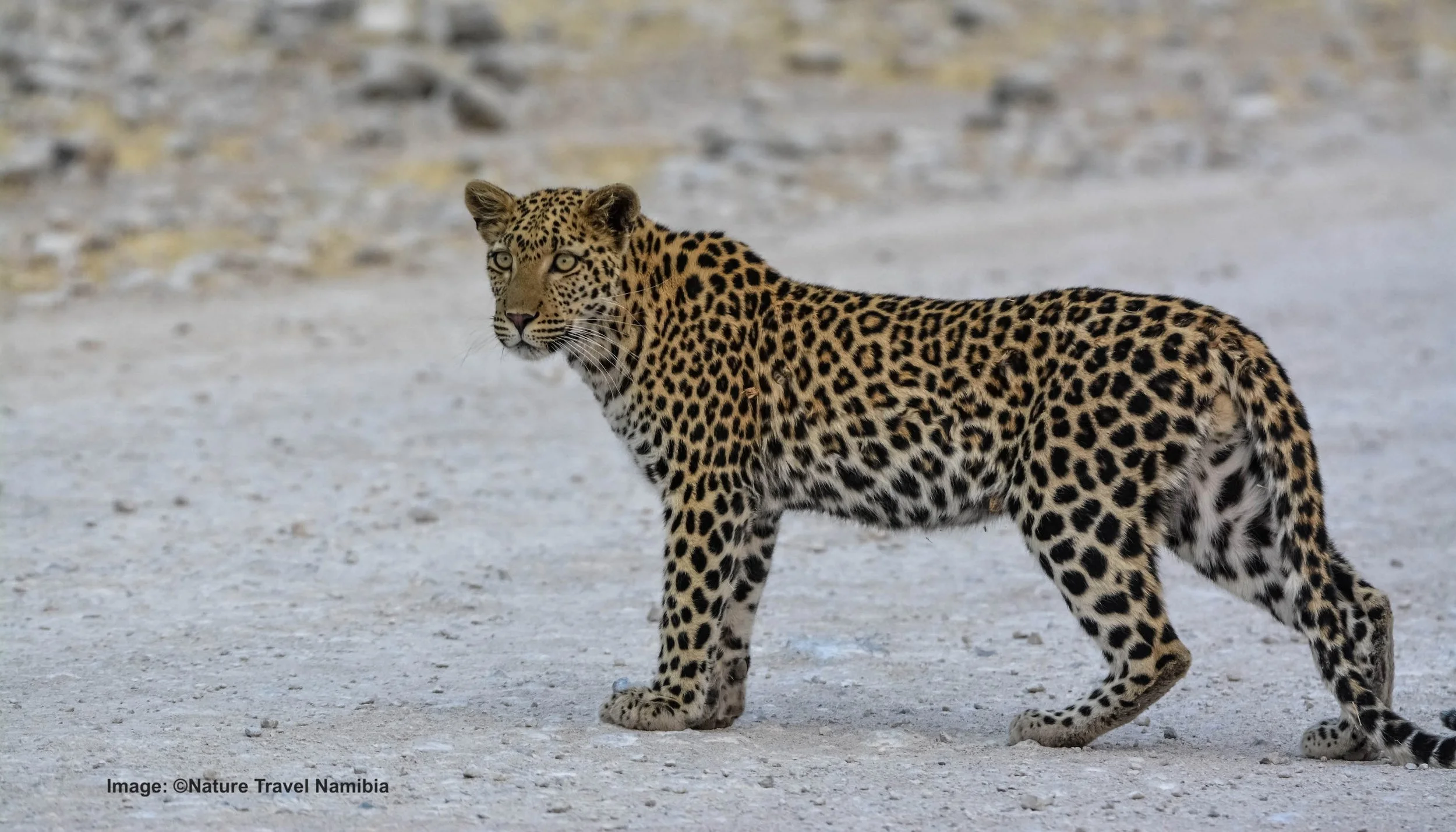
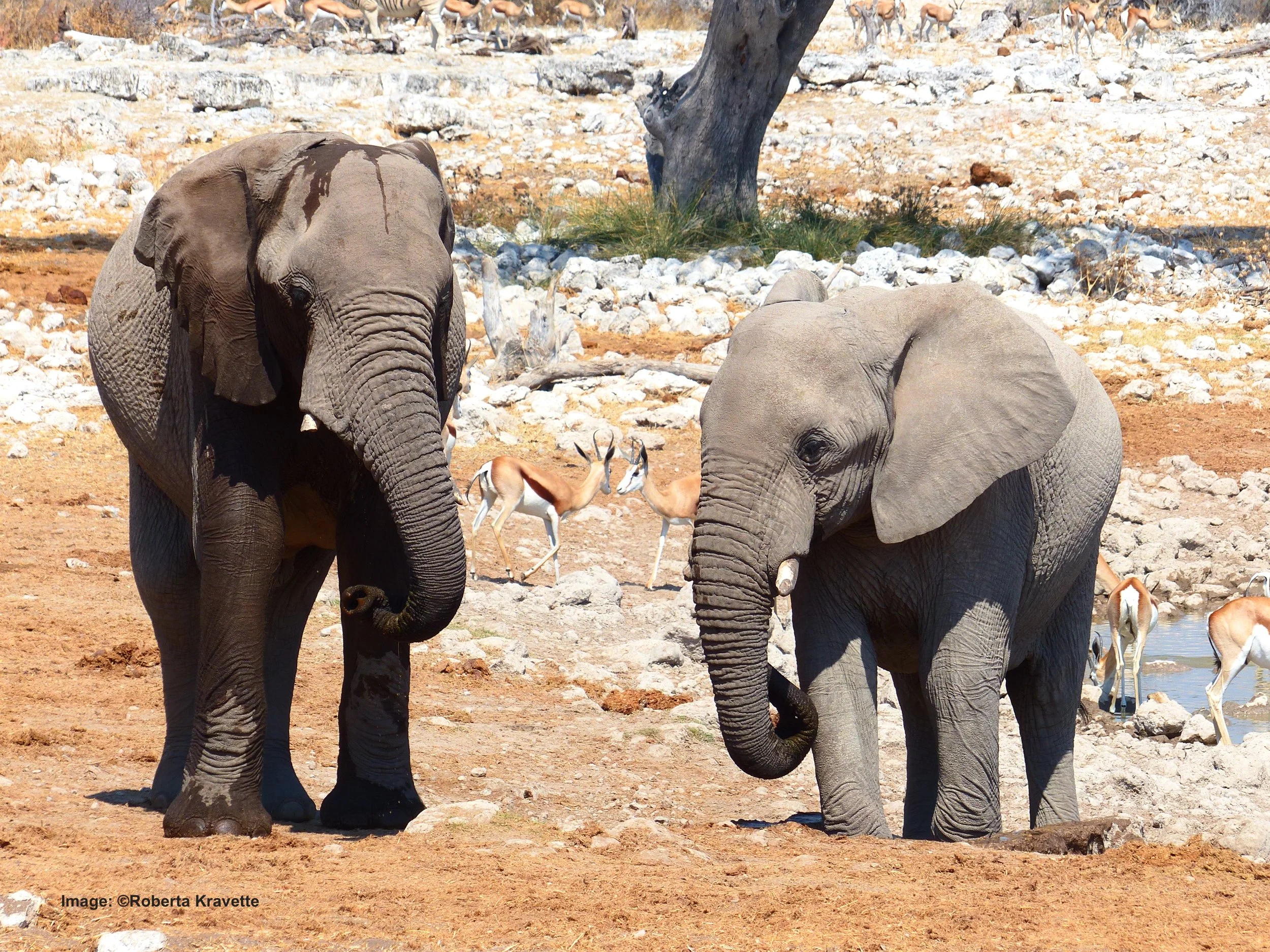
Etosha National Park is home to over 360 bird species living among 114 mammal species! Here we will look for earth's heaviest flying bird and its largest non-flying bird, colorful bee-eaters, regal raptors, and more. Elephants, lions, leopards, giraffes, and Africa's biggest free-roaming population of black rhinos also call Etosha home.
The Caprivi panhandle, where Namibia's arid landscape turns lush as it approaches the Okavango wetlands.
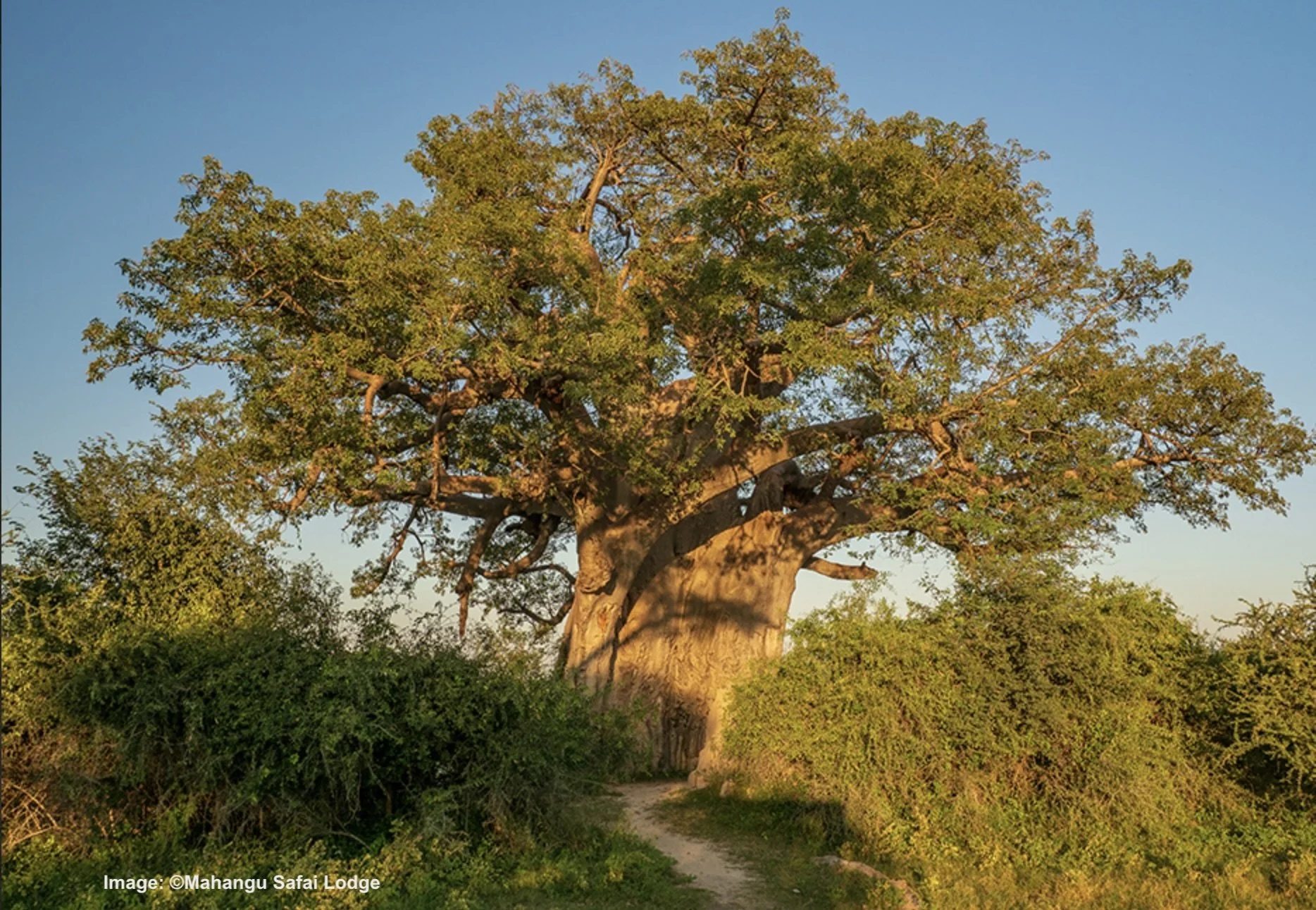
Mahango National Park is an IBA (Important Bird Area) by birdlife International. Here we will explore the flooded plains looking for over 300 wetlands and tropical terrestrial bird species. And we will look out for the resident Cape Buffalo and the endangered African Wild Dog.
We will look for water birds among the hippos and Nile crocodiles on the famed Okavango River. We will cruise to a small island where we will enjoy our traditional sundowner while watching many wildlife and birds on the far shore.
And, of course, we will enjoy comfortable locally owned lodges, a private vehicle, and both a professional birding guide (in this case, Marc Cronje, one of my favorite people in the world,) and your Grassland Bird Trust leader, plus the excellent company of fellow bird and wildlife viewers.

Detailed Itinerary
Your Itinerary
Southern yellow hornbill in Etosha National Park Image: Roberta Kravette
Day 1
Welcome to Namibia!
After picking you up from the airport, we make our way to your hotel in Windhoek where you can relax, swim, or explore the capital city and acclimate yourself to Africa’s relaxed place.
We will enjoy our Welcome dinner and head to our comfortable beds for a good night sleep before we begin our adventure in the morning.
Day 2
After breakfast at the hotel, we will load the vehicle and start off on our ride to Etosha National Park, one of the great parks of Africa. We will spend four nights here.
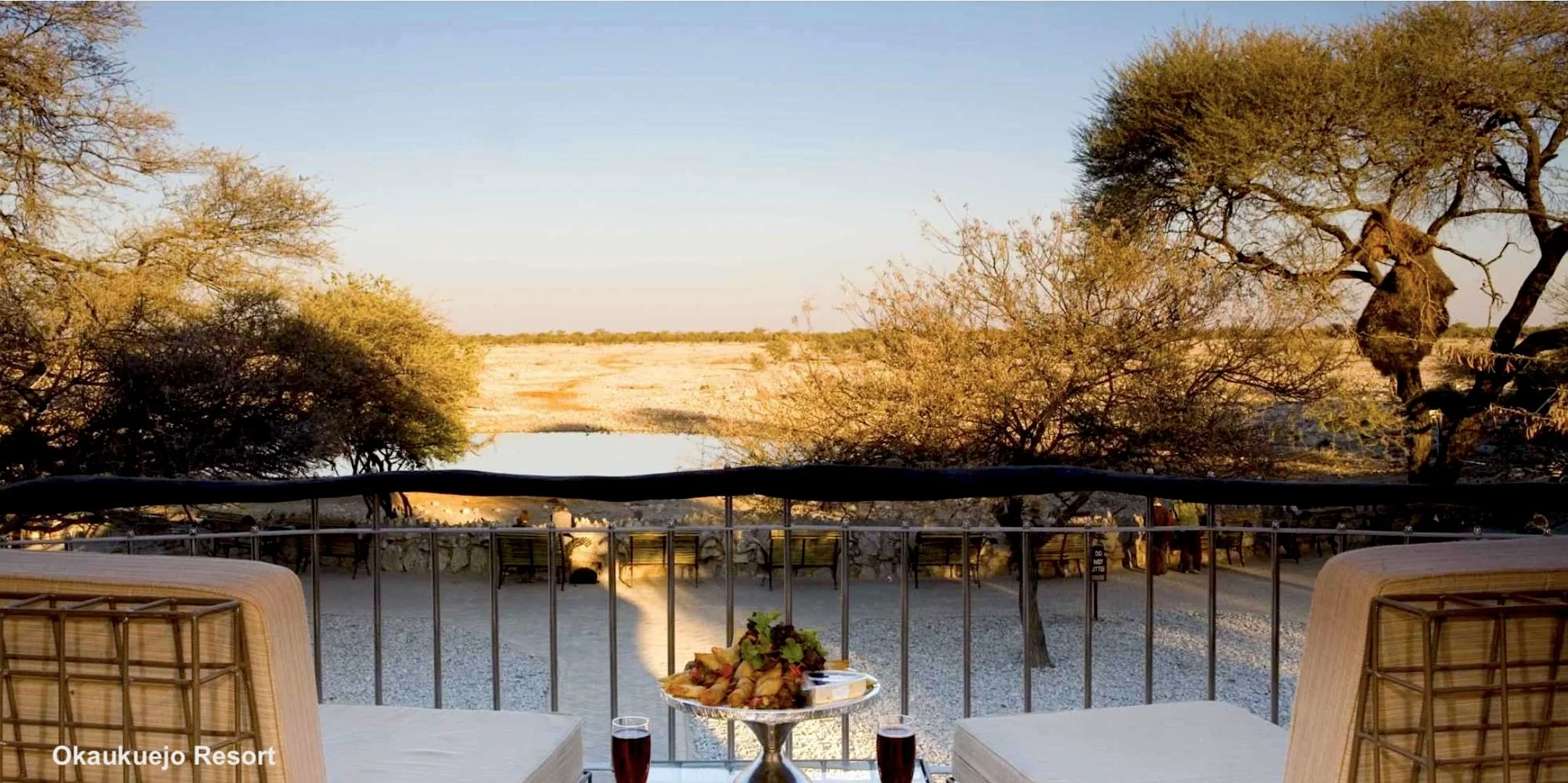
By mid to late afternoon, we will arrive at Okaukuejo resort, famous for its flood-lit waterhole at the edge of the camp. Here you will find fantastic game viewing with African elephants, black rhinos, and giraffes visiting on most nights and lions seen often.
If time allows, we can do a short birding drive. Perhaps we will see: Dusky or Scarlet-chested Sunbirds, Crimson-breasted Shrike, Acacia Pied Barbet, Golden-tailed Woodpecker, Rufous-eared Warbler, Southern White-crowned Shrike, Marico Flycatcher, Chat Flycatcher, Rattling Cisticola, Black-chested Prinia, Double-banded and Namaqua Sandgrouse, Southern Yellow-billed Hornbill, Rock Martin, Swallow-tailed Bee-eater, Ostrich, Kori Bustard, Northern Black and Red-crested Korhaan and Great Sparrow to name a few.
As we drive along, we will scan on top of all the huge Sociable Weaver nests for Pygmy Falcon. In addition, in summer, we often have huge flocks of European Bee-eaters in this area.
After dinner at the resort, we will make our way to the camp's waterhole, where we will look for Verreaux's Eagle-owl, Pearl-spotted Owlet, Barn Owl, Spotted Eagle-owl, Rufous-cheeked Nightjar, and Double-banded Sandgrouse. And if we are lucky, we will hear a lion roaring as we enjoy the end of a wonderful day.
The Kore Bustard, earth’s heaviest flying bird needs a running start to lift-off! Image: ©Roberta Kravette
Day 3:
Okaukuejo Resort, Etosha South
This morning we will explore the Okondeka Plains north of Okaukuejo. We will look for Spike-heeled, Pink-billed, Eastern Clapper, Red-capped and Sabota Larks, Grey-backed Sparrowlark, Chestnut-backed Sparrowlark, Capped Wheatear, Double-banded Courser, and Desert Cisticola.
This area is also excellent for searching out some of the smaller predators like bat-eared fox, black-backed jackal, Cape fox, and African wild cat.
We will spend more time at the camp waterhole and do a short walk in the camp late afternoon or another game drive.
Day 4:
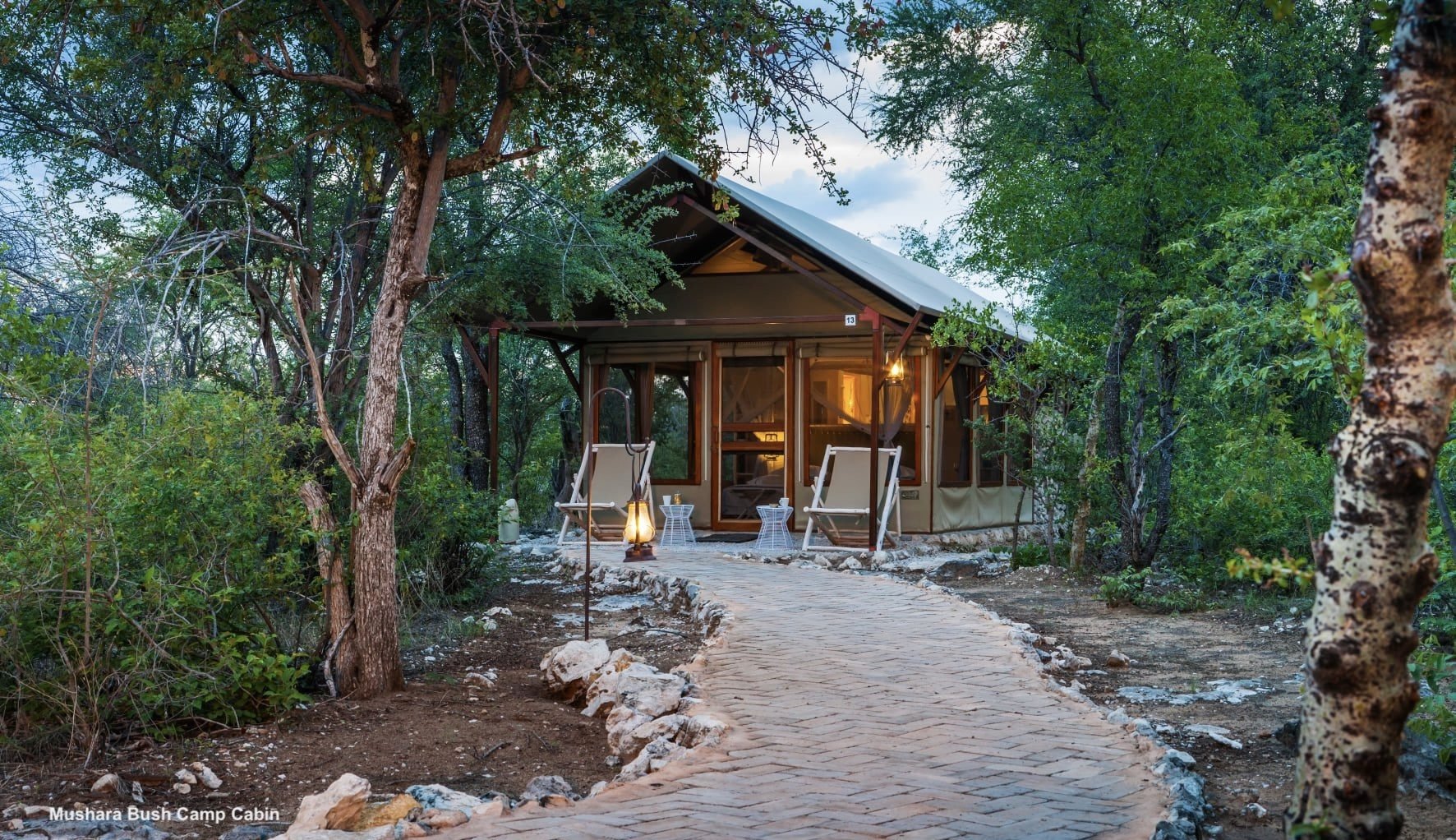
Mushara Bush Camp, Etosha East (Sat, 18 March)
This morning we will enjoy breakfast, then make our way towards our next lodge on the park's eastern side.
As we make our way, we will look for Double-banded Courser, Namaqua and Double-banded Sandgrouse, Red-crested and Northern Black Korhaan, Kori Bustard, Blue Crane, Common Ostrich, Monotonous and Rufous-naped Larks. And we will keep an eye out for Etosha's raptors which include Martial Eagle and Tawny Eagle, Black-chested and Brown Snake-eagle, Lanner, Peregrine, and Red-necked Falcon, Bateleur and Gabar Goshawk.
There is a fascinating known interaction between Honey Badgers and Pale Chanting Goshawks where the Goshawk will follow the Badgers, hoping that when they dig out prey, some will escape offering them an easy meal. We often see this in Etosha, and we will hopefully be lucky on this trip.
By early evening we will arrive at our lodge outside the Eastern Gate.
Overnight: Mushara Bush Camp
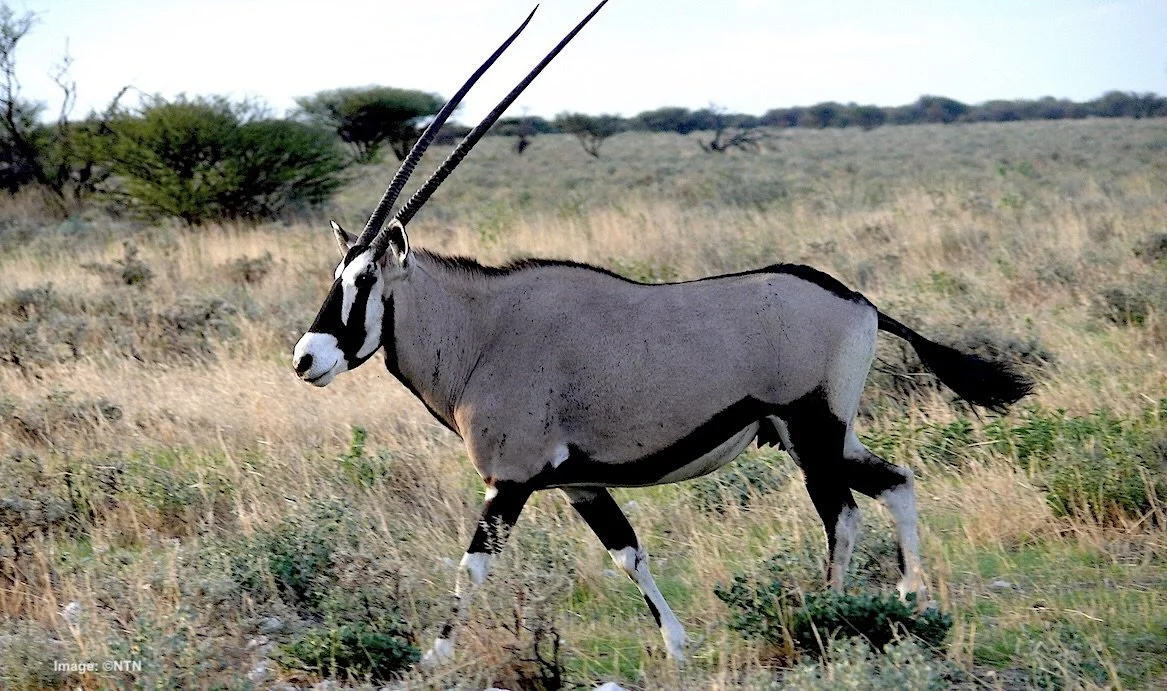
Gemsbok or Orex, Namibia’s national animal. Image: ©Nature Travel Namibia
Day 5:
Mushara Bush Camp, Etosha East
We dedicate today to exploring the eastern section of the vast Etosha National Park.
From a mammal point of view, we will search for: the endemic Kirk's dik-dik (Namibian subspecies), African elephant, lion, black rhino, giraffe, spotted hyaena, leopard, black-backed jackal, black-faced impala (another endemic subspecies), hartebeest (red subspecies), gemsbok (Namibia's national animal), the greater kudu and springbok.
This part of Etosha is our best chance to see cheetahs, and we will visit all their known hotspots.
After lunch, we will spend the afternoon visiting various waterholes to see if we can spot some of our target list mammals and birds drinking.
We might be lucky to get a herd of elephants drinking at Groot Okevi or Tsumcor waterhole, and we hope to see Eland at Chudop or Klein Namutoni. This waterhole is the perfect last stop in the park. The setting sun behind us offers incredible photographic opportunities.
After arrival at our lodge, we will freshen up, meet for sundowner drinks and enjoy another Namibia dinner in the African bush.
Woodland Kingfisher Image: ©Rudmer Zwerver
Day 6:
Kaisosi River Lodge, Rundu
This morning after an early breakfast, we begin making our way to the Caprivi area, stopping for roadside birding along the way.
We should arrive at our lodge by mid to late afternoon and will spend some time birding in the area. Some of the species we might find include Black Cuckoo, African Green Pigeon, Violet-backed and Greater Blue-eared Starling, Brown Firefinch, Swamp Boubou, Woodland Kingfisher, Meyer's Parrot, Hartlaub's Babbler, Southern Yellow White-eye, Black-collared Barbet, African Paradise Flycatcher, Marico, White-bellied and Scarlet-chested Sunbird.
The wetland will be the perfect introduction to the wetland birds of northern Namibia. We often see Giant, Pied and Malachite Kingfisher, African Swamphen, Coppery-tailed Coucal, Rufous-bellied, Squacco, and Green-backed Heron, African Pygmy Goose, Hamerkop, African Darter, White-breasted and Reed Cormorant.
We will return to our lodge to freshen up and meet for dinner.
We will look for Pel’s Fishing Owl on the Okavango Panhandle. Image: ©NTN
Day 7:
Drotskys Cabins, Okavango Panhandle (Tue, 21 March)
After an early morning coffee, we will make our way further east and explore the woodland between Rundu and Mahangu National Park. Exciting possibilities along this section of the road include Racket-tailed Roller, Rufous-bellied Tit, Green-backed Honeybird, Souza's Shrike, Tinkling Cisticola, Striped Kingfisher, African Golden Oriole, African Hobby, Arnott's Chat, Bradfield's Hornbill, Southern Black and Pale Flycatcher, Green-capped Eremomela and Dickinson's Kestrel.
After our picnic lunch, we will cross the border into Botswana, where we will spend the next night.
The big special here is the highly sought-after Pel's Fishing Owl, and this is one of the best spots in the world to find this beautiful bird. Other specials include White-backed Night-heron, Brown Firefinch, African Skimmer, Luapula Cisticola, Chirping Cisticola, Coppery-tailed Coucal, White-browed Coucal, Greater Swamp Warbler, Broad-billed Roller, Narina Trogon, Retz's and White-crested Helmet Shrikes, African Barred Owlet, African Wood-owl, African Pygmy Goose, African Purple Swamphen, Slaty Egret, Rufous-bellied Heron, Bennet's, Bearded, Golden-tailed and Cardinal Woodpeckers, Yellow-fronted Tinkerbird, Crested and Black-collared Barbets, Brown-throated, Spectacled and Holub's Golden Weavers and Western Banded Snake-eagle.

African Openbill Image: © Ondřej Prosický
This area is home to plenty of Kingfisher species, and we will look for Malachite, Pied, Brown-hooded, Grey-headed, African Pygmy, and Giant Kingfishers. In addition, Eurasian, Southern Carmine, Blue-cheeked, White-fronted, and Little Bee-eaters all occur in this area.
This part of the Okavango River is home to colossal Nile crocodiles and plenty of hippos. The resident bushbuck and Vervet monkeys are always around; if we are lucky, we might see African elephants. This area is probably the best place in Southern Africa to see the beautiful Sitatunga antelope, one of our main targets.
Day 8:
Drotskys Cabins, Okavango Panhandle
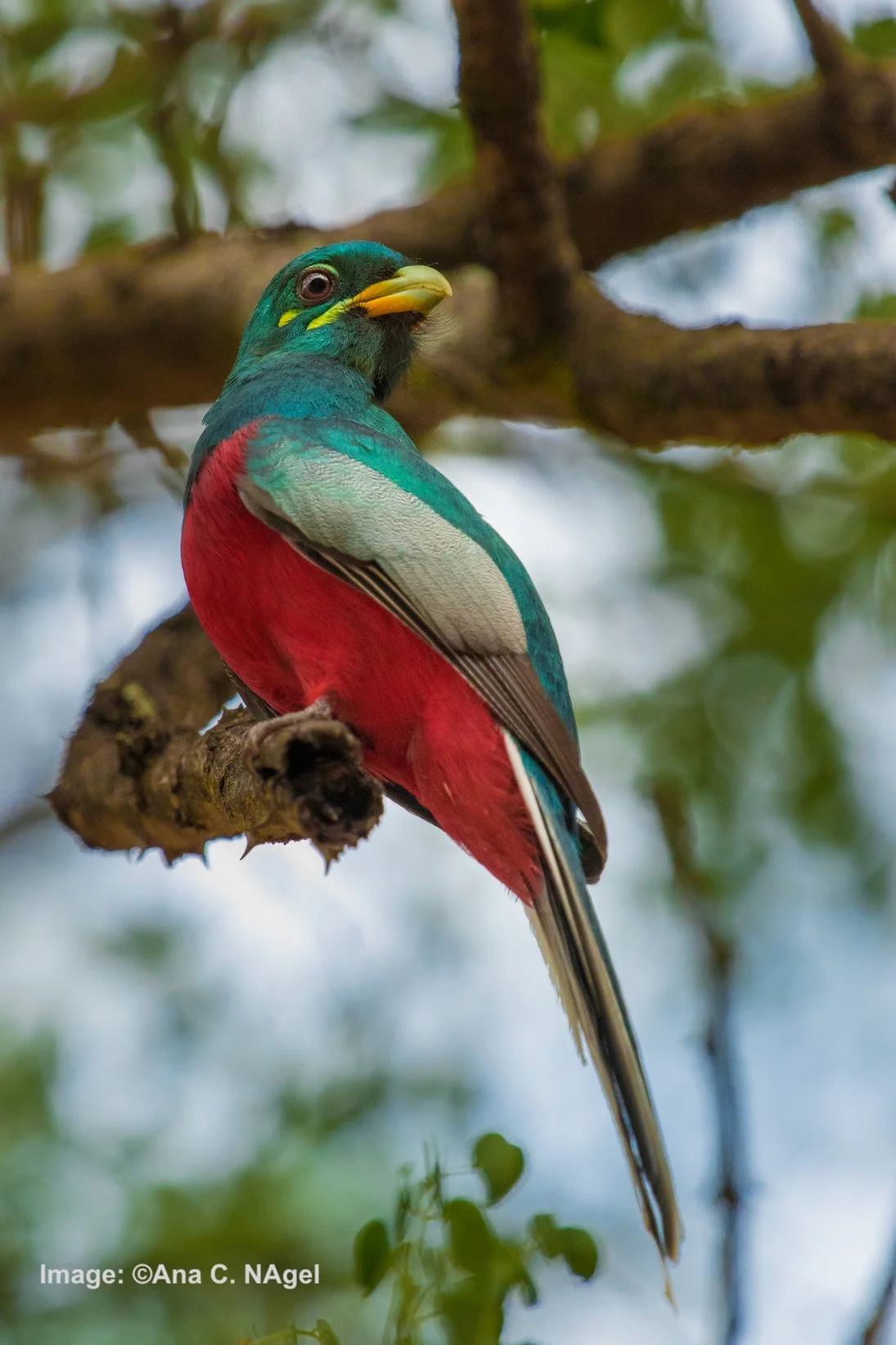
We may be lucky to find the the Narina Trogon. Image: ©Ana C. Nagal
We will start with a morning walk in the riverine forest, where we will try to find Narina Trogon, as this is the only area in the western part of South Africa where they occur.
Other species we should encounter include Grey-headed Kingfisher, Grey-headed and Orange-breasted Bush-shrike, Crested Barbet, Bradfield's and African Grey Hornbill, Swamp Boubou, Brubru, Black-backed Puffback, African Paradise, and Spotted Flycatcher, Bennett's, Golden-tailed, Cardinal and Bearded Woodpecker. In addition, we often find Fiery-necked Nightjars roosting, which offers excellent photographic opportunities.
After breakfast, we will depart for a boat cruise on the Okavango River, one of our trip's highlights. Our main targets here will be Pel's Fishing-owl, White-backed Night-heron, Luapula Cisticola, Chirping Cisticola, Greater Swamp Warbler, Little Rush Warbler, Little Bittern, Allen's Gallinule, and Purple Heron with the more common birds being Squacco Heron, Grey Heron, Tawny-flanked Prinia, White-winged Tern, Hamerkop, African Openbill, African Fish-eagle, African Marsh Harrier, Southern Brown-throated, and Village Weaver.
Day 9:
Mahangu Safari Lodge, Divundu
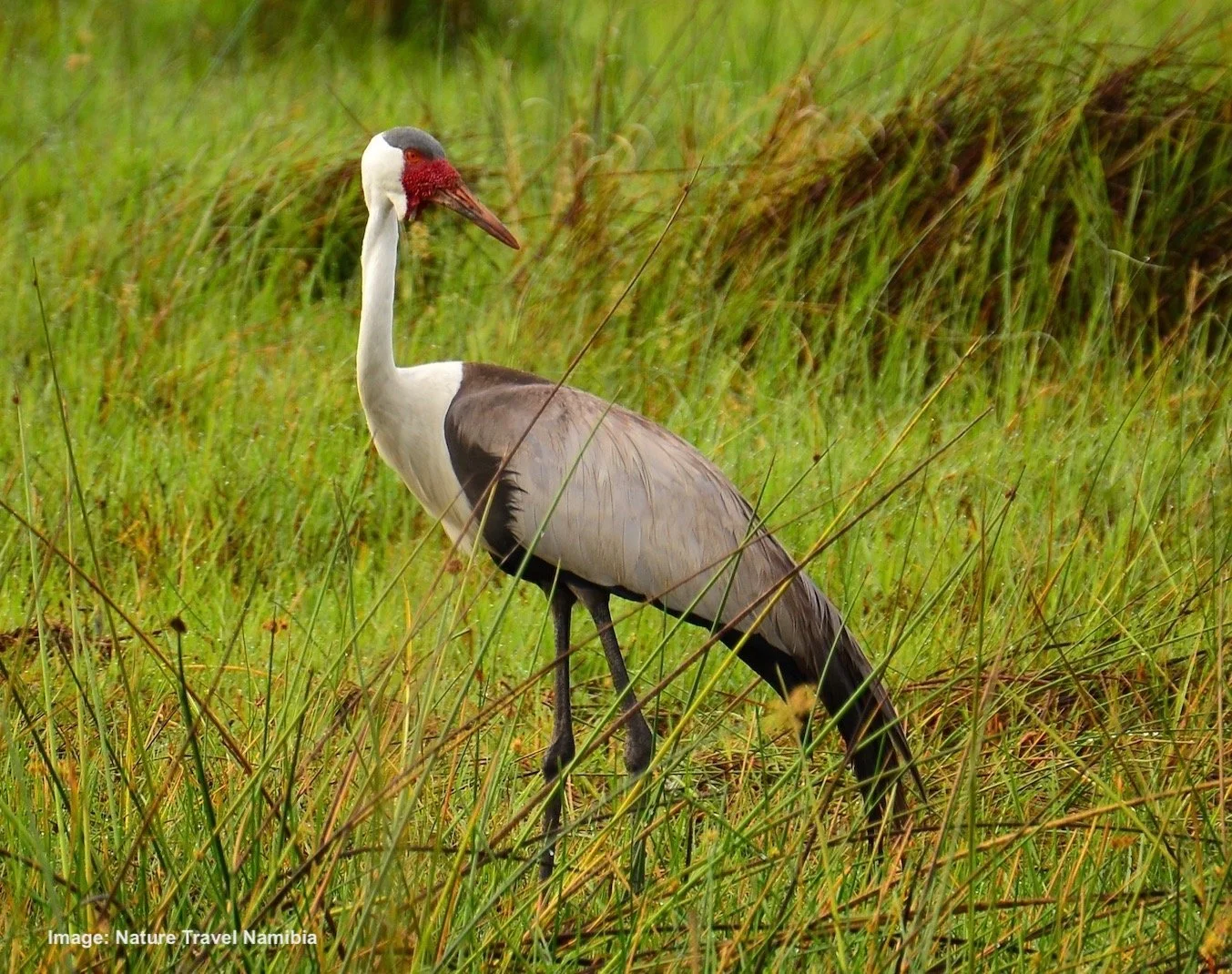
Wattled Crane can be found Mahangu National Park. Image: ©NTN.
After breakfast, we will pack our bags and return to Namibia.
We will cross the border back into Namibia and dedicate our day to exploring the productive Mahangu National Park, which offers exceptional game viewing and birding. Our main mammal targets are Sable and Roan Antelope, Tsessebe, Red Lechwe, African Buffalo, and Bushbuck, which we will not have the opportunity to see again on this safari.
From a birding point of view, we hope to see Wattled Crane, Long-toed Lapwing, Slaty Egret, Collared Pratincole, Crimson-breasted Shrike, Violet-eared Waxbill, Verreaux's Eagle-owl, Crested Francolin, Yellow-billed Oxpecker, Greater, and Lesser Honeyguide, Long-billed Crombec, Grey-tit Flycatcher, Broad-billed Roller, African Cuckoo-hawk, Ayre's Hawk-eagle and smaller raptors like Lizzard Buzzard, Little Sparrowhawk, Ovambo Sparrowhawk, and Shikra.
We will check in to our lodge situated on the banks of the Okavango River overlooking Bwabwata National Park just before sunset.
Look for the Red-billed oxpecker perched on the back of zebra, rhino, giraffe, Cape Buffalo or in this case - a kudu. Image: ©Marc Cronje
Day 10:
Mahangu Safari Lodge, Divundu
This morning we will explore Mahango and Buffalo Game Parks in our vehicle.
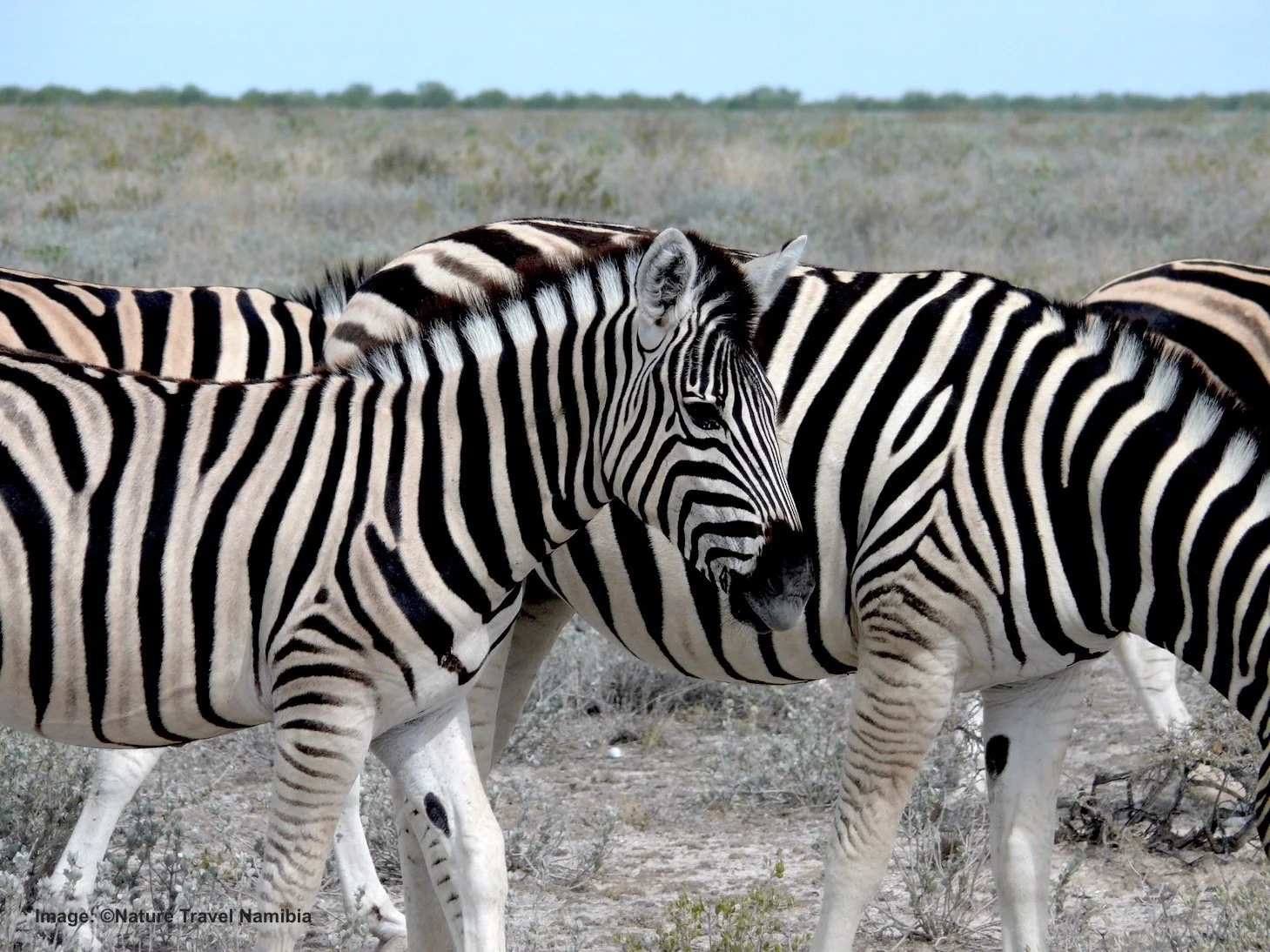
Mahangu National Park is well known for its big buffalo herds and plenty of hippos. However, we may also see African elephant, lion, leopard, African wild dog, Burchell's zebra, impala, common duiker, greater kudu, giraffe, and warthog.
We will search the riverine woodland and acacia savannah for birds such as the Greater and Lesser honeyguide, Meyer's parrot, Chinspot batis, White-browed robin-chat, and White-browed scrub-robin. We will also look for the Southern pied babbler, Cardinal, Bearded, Golden-tailed and Bennett's woodpecker, Grey-headed, Brown-hooded, and woodland kingfishers. And of course, we will seek out the African mourning and Red-eyed doves, African green pigeon, Broad-billed roller, Brown, and Red-billed firefinch, Diederik, Klaas's, African, Common, Black, Jacobin, and Levailant's cuckoo.
We will also scan the floodplains for wattled crane, the spur-winged and Egyptian goose, white-faced duck, slaty, great white, yellow-billed and little egret, squacco and black, goliath, purple herons, African spoonbill, African sacred, hadeda and glossy ibis, Long-toed and Wattled Lapwing. If we come across a herd of Buffalo or other big game, we will look for Red-billed and Yellow-billed Oxpeckers.
We will either enjoy a packed lunch in the park or return to the lodge for lunch overlooking the river.
We will join the lodge in the late afternoon for a dinner cruise on the Okavango River - departure at 17h30. After cruising for a short while, we will stop on an island to enjoy sundowner drinks and snacks around a bonfire. From there, we have the perfect vantage point to watch the wildlife drinking on the opposite bank of the river at the Bwabwata National Park and enjoy the beautiful sunset with a drink in hand.
After enjoying our drink, we will board our boat again and slowly cruise back to the lodge while we enjoy dinner on the Okavango River. This evening is a truly magical experience. On one of our recent trips even had a Leopard drinking while slowly cruising past. It was unforgettable.
Day 11:
Roy's Rest Camp, Grootfontein
We begin this day with a cup of coffee or tea overlooking the Okavango River, enjoying a spectacular sunrise.
I have seen African Wild Dogs hunting from the viewing deck a few times, and a colleague saw a leopard from here on a recent trip. We can do a short birding walk should we still miss any species, as this is our last chance to bird in this riverine woodland.
Today is primarily for traveling as we leave the tropical Caprivi and Okavango regions behind us and make our way back south to the Grootfontein area.
As we go, you will notice how the habitat changes from broadleaf woodland to mixed woodland and, later, acacia savannah. The wildlife and bird species change with the habitat. We will do regular roadside stops to stretch and pick up new species.
We should arrive at our lodge by mid-afternoon, then do a short walk around the lodge to look for any of the specials in this area.
Day 12:
Olive Grove Guesthouse, Windhoek
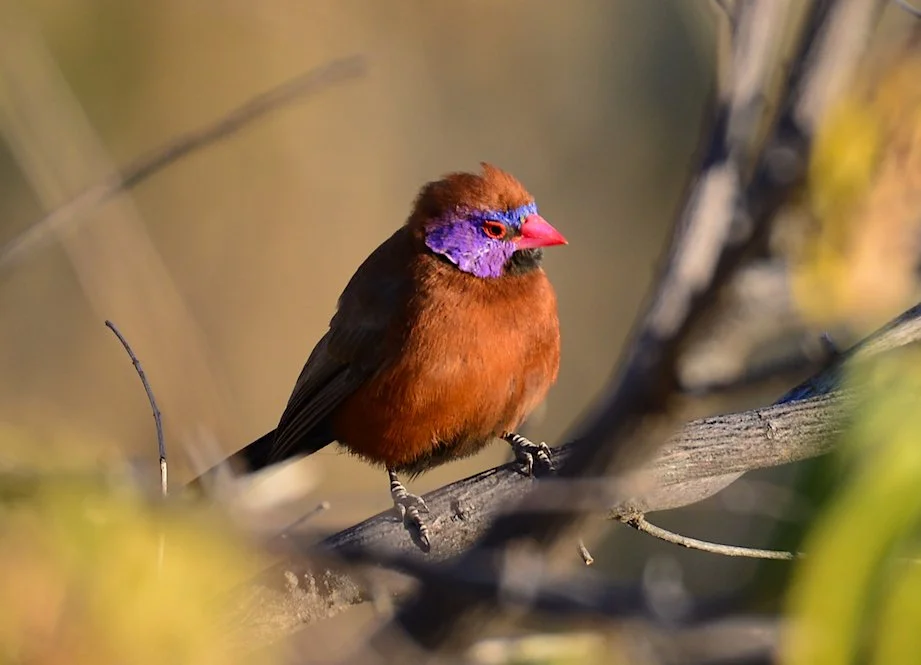
Violet-eared Waxbill. Image: ©Nature Travel Namibia
After breakfast, we head back to Windhoek, where we will spend our last night. If time allows, we can do some late afternoon birding at Avis Dam. If we have not seen Shaft-tailed Whydah, Violet-eared Waxbill, Rock Kestrel, Great Spotted Cuckoo, and Desert Cisticola, we can add this to our list.
We will drop you off at your Windhoek accommodation and meet up for our last dinner together. Overnight: Olive Grove Guesthouse
Day 13:
Departure to the Airport
After breakfast, we will transfer to the airport for your departure flight home with pictures and memories to last a lifetime!
What to Expect
What to Expect
Included
✓ Airport Group Transfers – Round trip
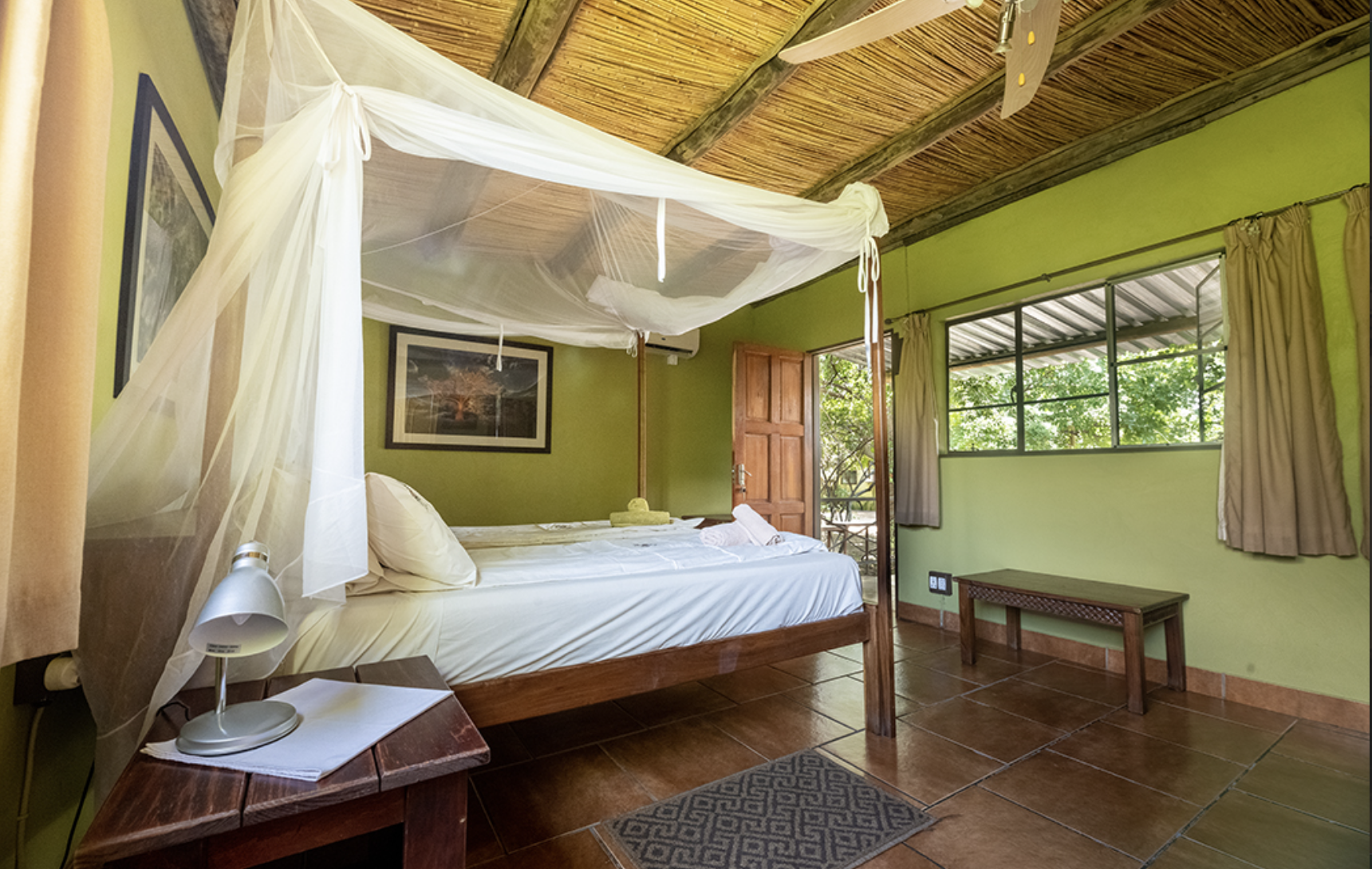
✓ 2 Nights: Okaukuejo Resort, Etosha South or equal
✓ 2 Night: Mushara Bush Camp, Etosha East or equal
✓ 1 Nights: Kaisosi River Lodge, Rundu or equal
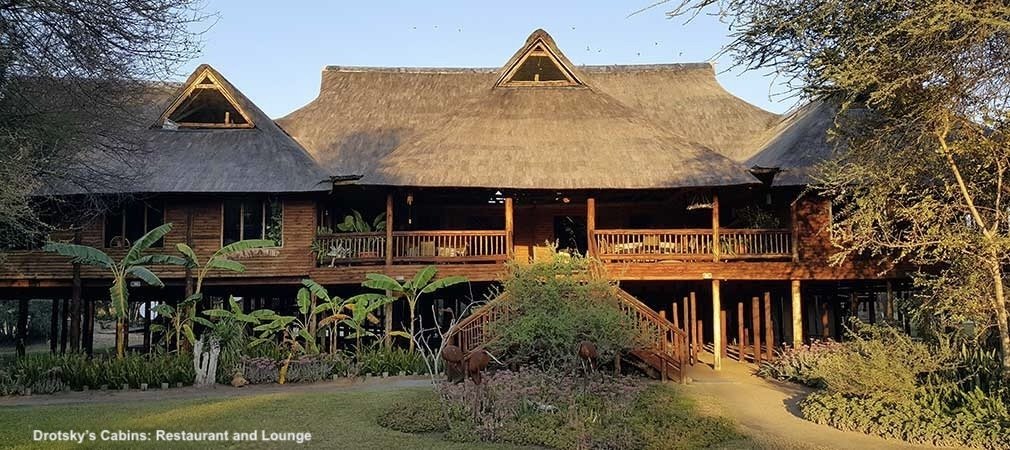
✓ 2 Nights: Drotskys Cabins, Okavango Panhandle or equal
✓ 2 Nights: Mahangu Safari Lodge, Divundu or equal
✓ 1 Night: Roy's Rest Camp, Grootfontein or equal
✓ 1 Night: Olive Grove Guesthouse, Windhoek or equal
✓ Nature Travel Namibia Professional Tour Guide
✓All group ground transfers for tours and airport
✓ All Meals: 11 Breakfasts & Lunches, 12 Dinners
✓All activities as included in the itinerary
✓Private air-conditioned vehicle and fuel
✓Park entry fees
✓Drinking water in the vehicle
Excluded
x Flights
x Alcoholic Drinks
x Optional Activities not included in the itinerary
x Items of a personal nature
x Visa Fees
x Comprehensive travel insurance
x COVID or other testing as mandated.
x Cross border fees
Is this Trip Right For Me?
Theme: Birding and wildlife. Benefiting the The Grassland Bird Trust
Trip Duration: 12 Days, 11 nights
Trip Type: Small Group.
Max:6 guests + GBT Host + guide.
Service Level: Comfortable to Premium
Activity level: Leisurely
Best For: Adults, some birding experience
Age Requirements: 18+ years
COVID-19: All Guests must have proof of vaccination.
Travel Notes
► Activity Level: Leisurely. Travel and birding by air conditioned vehicle. Some walking.
► Weather and Temperature Changes : March in Namibia March in Botswana
► Health: From the CDC - Travel To Namibia Covid Requirements Monkey Pox Destination: Wildlife requires full COVID vaccine for the protection of all participants.
► Visa Requirement: State Department Washington, DC
❖ Additional Resource for Health and Visa Questions: Passport Health USA
Please Note: Destination: Wildlife is not connected in any way nor does it endorse or indemnify information on the site.
► Drinking water: Purified water available at all lodges and will be supplied in the vehicle. Please bring refillable personal container for daytime use.
► Single Use Plastics: Namibia is striving to stop the use of single use plastics: bags, bottles including water, straws etc. Some areas, including conservation areas already prohibit them. Many lodges no longer allow plastic straws.
► Group Size: 6 guests, including your host from the Grassland Trust, and a professional guide (bird specialist)
► Packing: Pack as light as possible in one soft sided bag plus your carry-on. A packing list will be provided.
► Recommended Equipment: binoculars, camera, short lens, long lens, personal, reusable water bottle or canteen, insect repellant, and sunscreen.
► Travel insurance: Travel insurance is strongly recommended for all international travel. Ask us about the best policy for your needs
Making a Difference
How Your Trip Makes A Difference
About The Grasslands Bird Trust: Grassland Bird Trust (GBT) is a 501(c)(3) nonprofit land trust conserving critical habitat for endangered, threatened and rapidly declining grassland birds. We’ve conserved over 250 acres of prime habitat in the heart of the Washington County Grasslands Important Bird Area (IBA) since our founding in 2010.
The GBT is working with the New York State Department of Environmental Conservation (DEC) and other major partners to protect thousands more acres of critical habitat for endangered and at-risk grassland birds across New York State and the Eastern U.S.
The GBT is also working to build a National Grassland Coalition to increase the scale and pace of grassland conservation across North America.
GBT owns and manages 78 acres at our Alfred Z. Solomon (AZS) Grassland Bird Viewing Area in Fort Edward, located in the heart of the Washington County Grasslands IBA. This area supports 10 of 11 of New York’s most imperiled grassland bird species. It is critical to the survival of Short-eared Owls in New York State! GBT is a proud member of the Land Trust Alliance.
A portion of your trip’s cost is donated directly to help support The Grassland Bird Trust’s continued work.
Reviews
Reviews for Destination: Wildlife
It was a unique experience and at the top of any trip I've ever taken. And thank you for always looking out for me.
Kate, New York state
Birding in Costa Rica
10, it was an amazing trip (Please rate from 1- worst to 10 – best)
Liz and Alan, New York state:
Birding Costa Rica and Private Sail Cruise 2021
We are in awe of the care that you took to make our trip successful. The attention to detail, your ready availability when things didn’t go as planned. Your excitement as our trip progressed and the supervision to the very end to make sure everything turned out alright. Thank you for all that you do. Liz & Alan
Noreen, New York State
Exploring Women’s Winter Wolf Trek
The trip was fabulous and couldn't have been much better. My one suggestion is around the Zoom call. I was impressed that you did a Zoom call rather than just sending a gear list - it is an example of how much personal attention you devoted to us.
Reviews for your Guide: Nature Travel Namibia
Namibia Safari
Janeen, Hobe Sound, Florida USA, December 2021
Over the last nine years I have traveled with Nature Travel Namibia and Nature Travel Africa four times. My recent journey to Namibia, again, exceeded my expectations.
What a Great Trip! 380 Bird species, and 50 species of Mammal
Mike, Galway, IRE,
Birding in Namibia, May 2021
This was my first trip to Africa let alone Namibia. My main focus for the trip was to see as many bird species in Namibia as possible. After researching for a good guide that I thought would be a good fit, I chose Nature Travel Namibia (NTN) mainly due to my talks with owner Nick Buys. His attentiveness and quick thorough responses to my many questions made the decision easy.
Gillian, Cape Town, South Africa.
Birding in Namibia 29 April – 10 May 2021
Birding friends recommended Namibia as a great birding destination… Marc Cronje was my guide and he looked after me wonderfully, from meeting me at the airport in Windhoek and travelling onwards for 12 days. We drove to Rundu in the Caprivi Strip, then through Mahangu, across the border to the Okavango Panhandle in Botswana (including fabulous birding boat trip), back into Namibia for a further couple of days at wonderful Mahangu National Park (and yet another great boat trip), then 2-3 days in Etosha National Park, and then a day each at the Brandberg in Damaraland, the Erongo Mountains, Swakopmund & Walvis Bay and then back to Windhoek. Namibia is fabulous with great scenery, people, game and, most importantly for me, birds.
Marc was an excellent guide: very knowledgeable and enthusiastic about all birds, wildlife and photography. He knew exactly which spots to go to find all the various bird species, allowing me to see almost all the targets we were looking for. I saw 270 different bird species over the trip (including many many “lifers”) and over 30 other animal species, with plenty of time to get good observations and photos. He was a careful driver and liaised very well with lodge staff, park staff and border officials. In addition, he was really great company and also very patient and helpful with a relative novice both as regards birding and photography.
The rush is on! Only six guests will join us on this amazing avian adventure! Enquire here Helmeted Guinea Fowl in Etosha NAtional park. Image: Rodmer Zwerver