
Namibia, Save the Rhino 9-Day Walking Safari
Why You Will Love This Trip
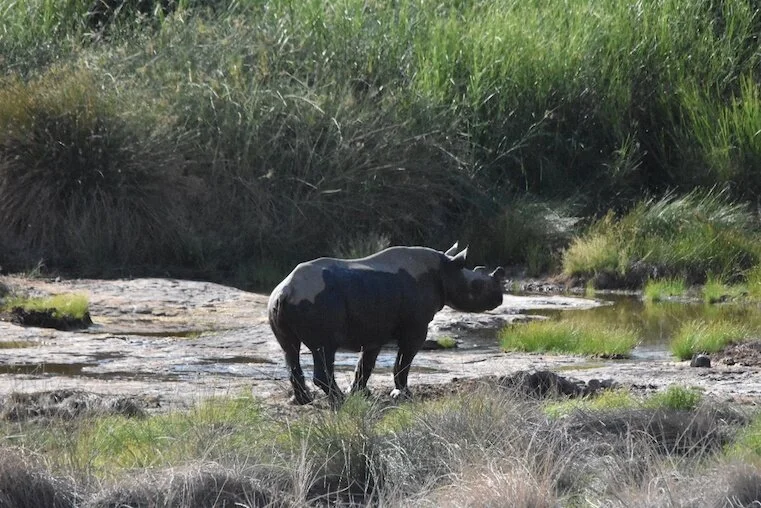
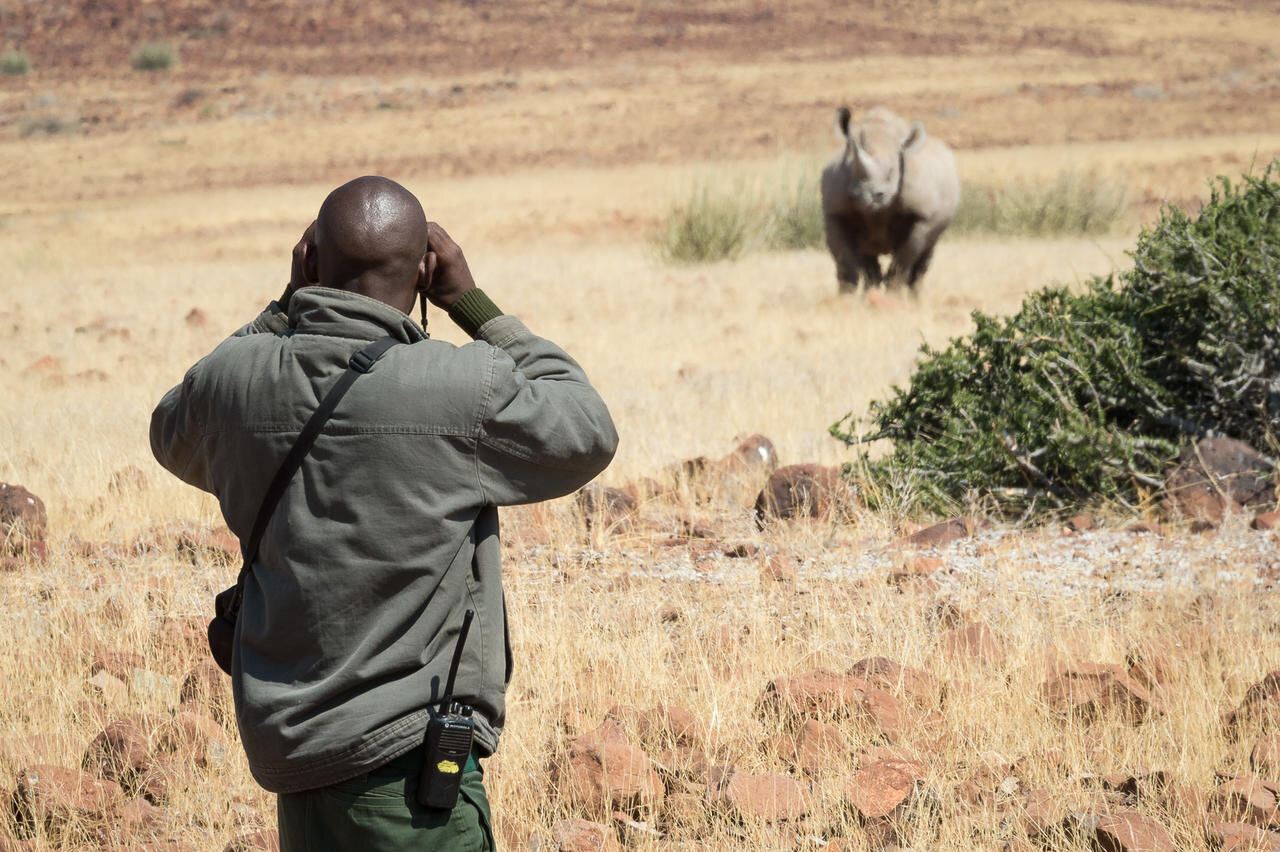
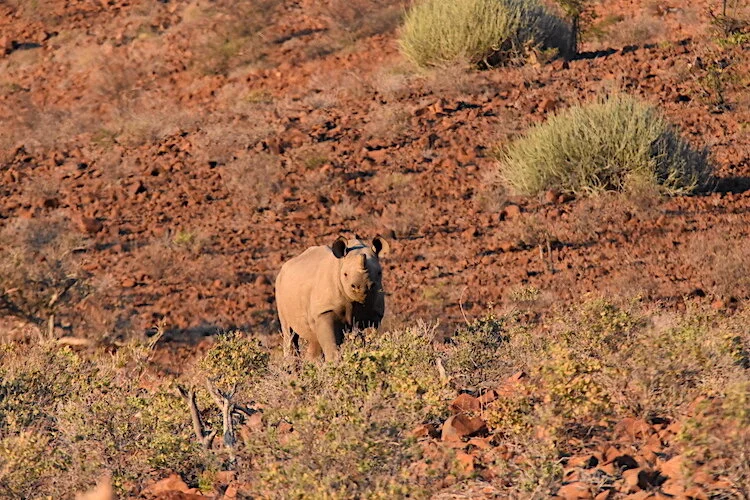
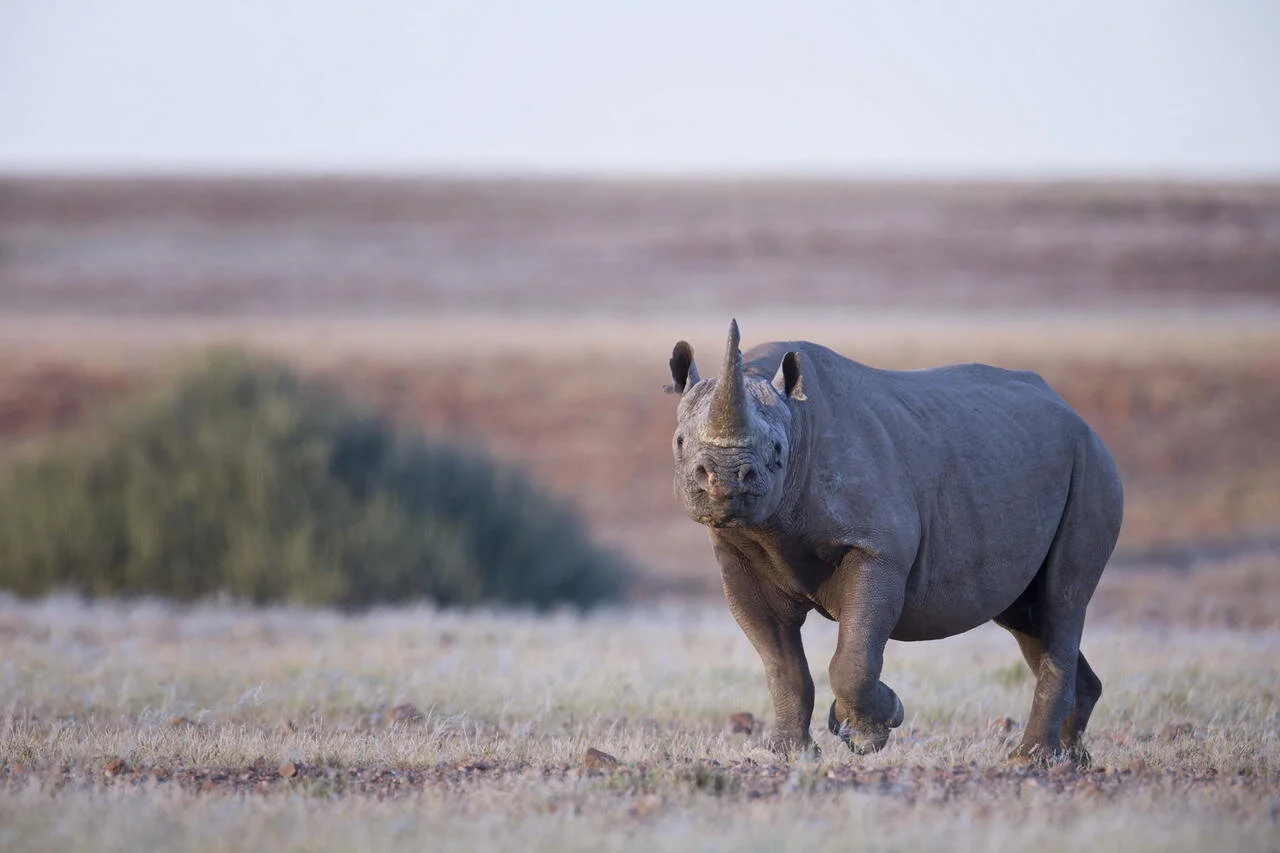
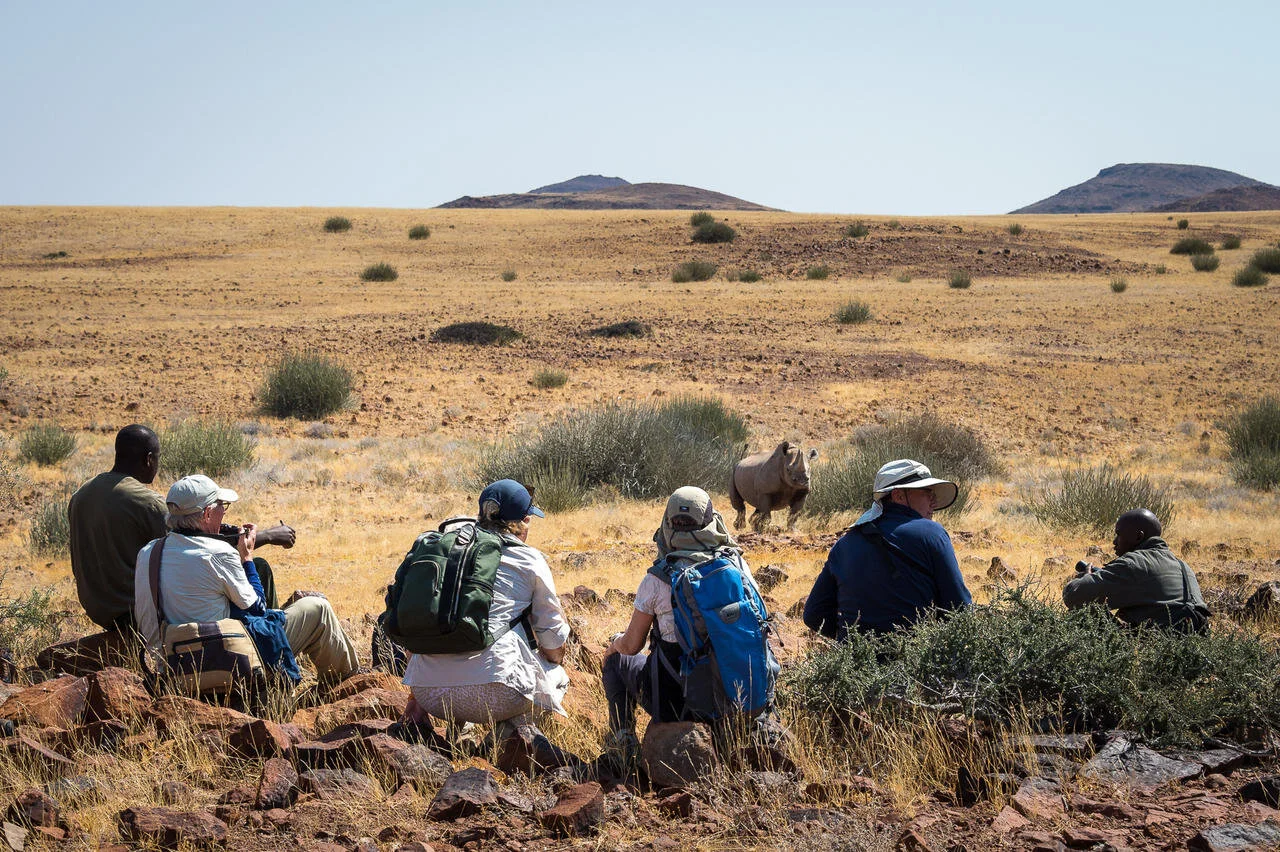
1. The Only Place in the World To See Desert-Adapted Black Rhino in their Natural Environment: and the only place to track the desert-adapted variety on foot. Trekking with the conservationists, you’ll get a personal understanding of the endangered black rhino (and other desert-adapted species)
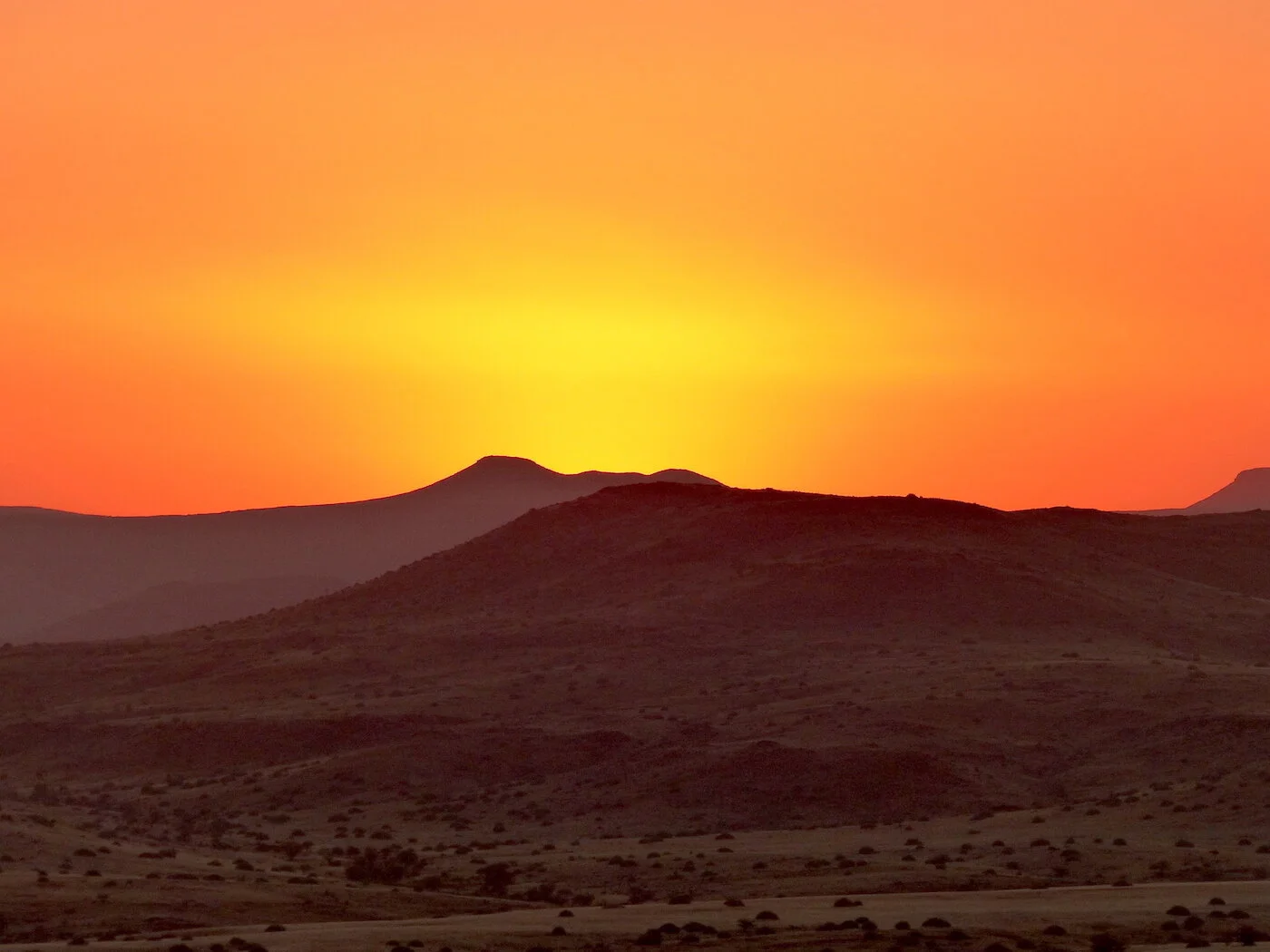
2. The Desert Rhinos Have an Incredible Homeland: The Kunene region of Namibia is arguably one of the most scenic places in Africa and one of the few under-developed places, where wildlife still roam freely outside of national parks.
3. You Are Part of the Solution: $1,000 of your safari payment will go to support the Save the Rhino Trust. As you trek the black rhino you will also have opportunity to get involved with rhino research efforts while witnessing the country’s innovative conservation measures first hand.
4. The Perfect Trip for The Perfect Shot: The day’s slow rhythm allows for the perfect photo op(s). The small group (up to 6) means your guide can help you find it.
5. Experience the African Bush as Few Travelers Ever Will: A walking safari brings you closer to nature and allows you to “know” a place that is not possible any other way. Discover why professionals suggest a walking safari for those who really want to learn about the African bush.
Is This Trip Right For Me?
Theme: Walking safari
Tour Duration: 9 Days
Start: Windhoek, Namibia
Finish: Windhoek, Namibia
Arrival day not included but can be arranged.
Trip Type: Small Group
Max 6 plus guides & support team.
Service Level: Supported Camping with some Comfortable nights in the lodge
Activity Level: Active
Walks of 10 - 15km (6 - 9 miles) per day.
Best For: Outdoor adventurers who want to see endangered arid-adapted black rhinos
and are willing to walk for the privilege.
Age Requirement: 18+ years
Younger guest? Contact us
Save the Rhino Walking Safari
Starting at US $5,900 pp ex flights
Single Supplement: US $176 pp
Next Departure: TBD June 2021
Cost includes $1,500 donation to Save the Rhino Trust
Have a private group or need custom dates? Contact us
Rhino Conservation
In Namibia’s far northwest Kunene Region (also known as Kaokoland) black rhinos were almost extinct thirty years ago. Today, Kunene has the largest number of free-roaming black rhino in the world – the only rhino worldwide living on communally and traditionally-owned land without formal conservation status. Namibia created a culture of good human-wildlife interactions by involving communities, employing locals in anti-poaching patrols and generating income from Rhino-related tourism. See below for more information on rhino conservation and how your trip makes a difference
Overview
About Save the Rhino Walking Tour
We are working with Save The Rhino (an organization key to protecting Namibia’s critically endangered Desert adapted Black Rhinos and other wildlife.) We will be walking from Palmwag Lodge through the Palmwag concession to the Hoanib River. This is an area where other tourists don’t get to go and the only people operating here are the Save the Rhino Team scouts patrolling.
The itinerary and the exact route will be flexible as we will be tracking the desert-adapted wildlife that roam in this area. The distance covered each day will depend on the fitness of the group. We will be walking and tracking every morning, breaking for brunch or lunch, and after a siesta period we will spend the afternoon in the open 4x4 safari vehicles looking for wildlife and enjoying the spectacular scenery. The Damaraland area of Namibia is arguably one of the most scenic places in Africa and one of the few places where there are areas where people have not been to or developed and wildlife still roam freely outside of National Parks.
There will be a full back up team to take care of our camping needs (setting and breaking of camp, cooking etc) so just bring yourself and your personal belongings to Namibia.
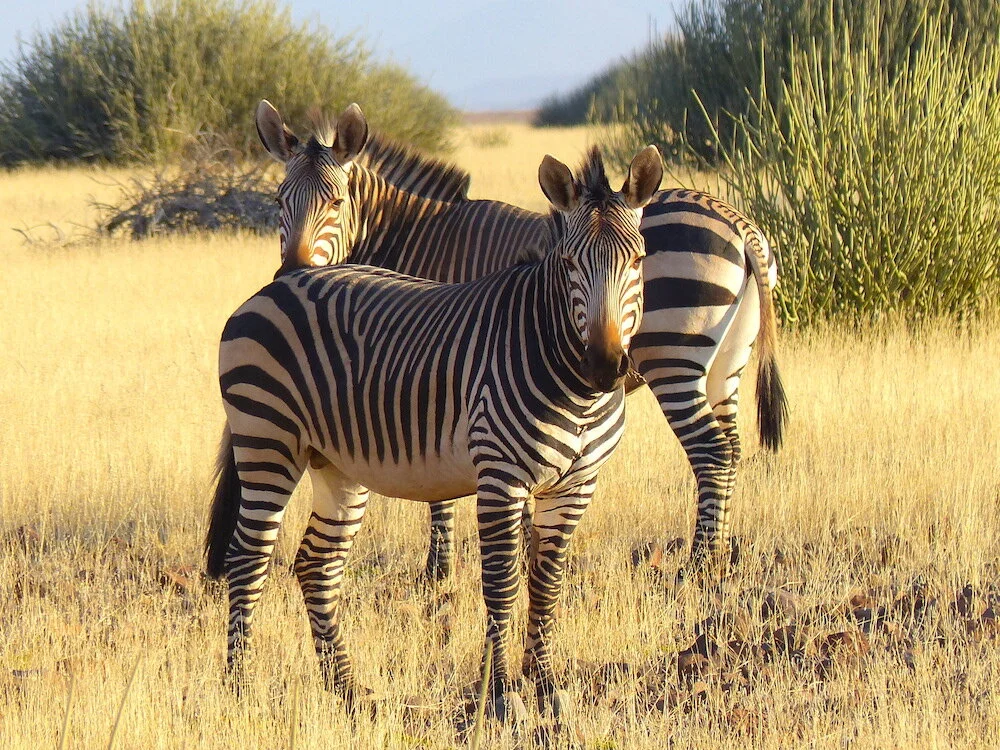
The group size will be limited to 6 to ensure an exclusive experience and a better chance of getting close to the wildlife. Some of the wildlife that we hope to see are the desert adapted Black Rhino, Elephant, Giraffe, Hartmann’s Mountain Zebra, Springbok, Kudu, Oryx and hopefully some of the predators that roam this spectacular area – Cheetah, the famous Desert Adapted Lions, Leopard, Jackal, Spotted and Brown Hyena.
The main idea of this trip is to raise funds for the Save The Rhino Trust. Your trip cost includes a donation which will be given to Save the Rhino Trust upon arrival.
Detailed Itinerary
Detailed Itinerary
Day 1: Welcome to Windhoek, Namibia
Arrive at your comfortable hotel. Relax by the pool as you acclimate yourself to Africa’s gentle rhythm or head into town to explore Namibia’s thriving capital.
As evening approaches we will enjoy our welcome dinner and head to our comfortable beds for a good nights sleep. Tomorrow our adventure begins!
DAY 2: Our Adventure Awaits! Drive Windhoek to Damaraland
After breakfast we will depart Windhoek and make our way north to the Palmwag Concession.
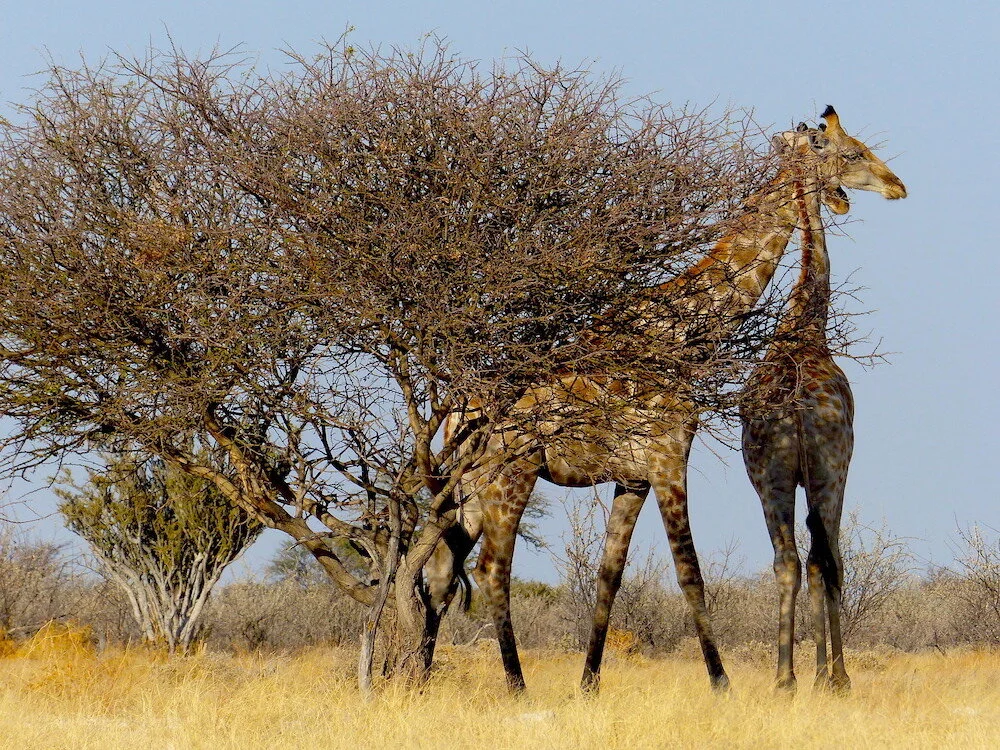
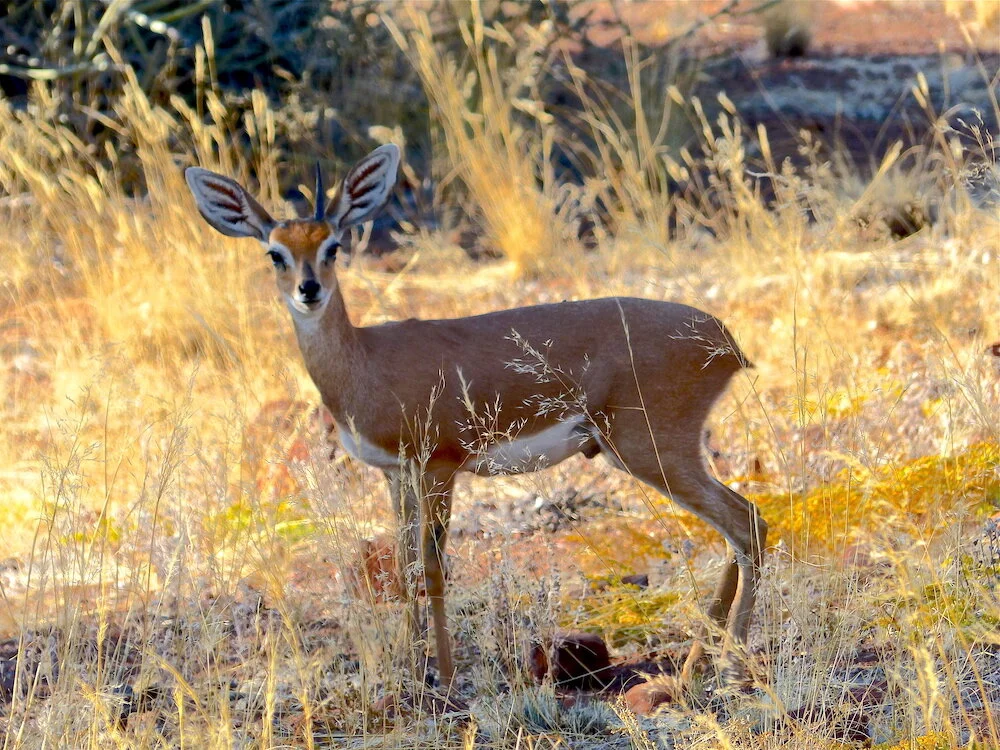
Palmwag Concession's freshwater springs support healthy populations of arid-adapted wildlife. Good numbers of Hartmann's mountain zebra, southern giraffe, gemsbok (oryx), springbok, kudu, dwarf antelope (such as steenbok and klipspringer), scrub hare, comical meerkats (suricates), inquisitive ground squirrels, black-backed jackal and small spotted genet can be seen. This concession is also rich in reptiles including Kaokoveld sand lizard and Anchieta’s agama. We will enjoy lunch en-route and arrive at our lodge just in time for a sundowner drink. We will rest up for the 6 nights walking safari that starts early tomorrow morning.
Palmwag is beautifully located along a palm-lined tributary of the Uniab River. Water is scarce in this area, so the river’s presence often lures elephants closer to the camps. Palmwag is situated halfway between Swakopmund and Etosha and is the ideal base from which to see the sights of the Kunene region or embark on one of the many local hiking trails.
The predator population here is the largest outside of the Etosha National Park, with over 100 lions, cheetah, leopard, brown and spotted hyena. Bird life is prolific and diverse with most of Namibia's endemics present. This concession supports a healthy population of desert adapted black rhino and elephants, under the management of the Save the Rhino Trust.
Overnight: Palmwag Lodge. Full board
DAY 3 -8: Rhino Tracking at Rhino Camp
After breakfast on Day 2 we will receive a full briefing from the Save the Rhino Rangers and leave Palmwag Lodge and make our way to the campsite where we will start our walk. Every day we will follow a different itinerary, which will include walking and game drives with lunch back at the campsite.
We will be walking in an area where other tourists don’t get to go and the only people operating here are the Save the Rhino Team scouts patrolling. The itinerary and the exact route will be flexible as we will be tracking the Desert adapted wildlife that roam in this area and the distance covered each day will depend on the fitness of the group. We will be walking and tracking every morning breaking for brunch or lunch and after a siesta period we will be driving in the open 4x4 safari vehicles in the afternoon looking for wildlife and enjoying the spectacular scenery. The Damaraland area of Namibia is arguably one of the most scenic places in Africa and one of the few places where there are areas where people have not been to or developed and wildlife still roam freely outside of National Parks.
We have a full back up team that will take care of our camping needs (setting and breaking of camp, cooking etc) so you just have to bring yourself and your personal belongings to Namibia. The group size will be limited to 6 to ensure an exclusive experience and a better chance of getting close to the wildlife. Some of the wildlife that we hope to see are the desert adapted Black Rhino, Elephant, Giraffe, Hartmann’s Mountain Zebra, Springbok, Kudu, Oryx and hopefully some of the predators that roam this spectacular area – Cheetah, the famous Desert Adapted Lions, Leopard, Jackal, Spotted and Brown Hyena.
DAY 9 : Rhino Tracking
After our last breakfast at the campsite, we will embark on our final walk in this magical place, then make our way back to the Palmwag Lodge, where we will celebrate the last night of our adventure with a delicious farewell dinner.
Overnight: Palmwag Lodge
DAY 10: Return to Windhoek or begin Etosha or Sossusvlei Extension
After breakfast, we will make our way back to Windhoek or continue on to Etosha National Park or Sossusvlei Extensions.
*Please note, if you are overnighting in Windhoek this evening, hotel accommodations and dinner are on your own. We will be happy to help you arrange this, please contact us.
*Or, if you would like to extend your safari, we can continue on to Etosha National Park or Sossusvlei or other areas of this amazing country
What to Expect
What to Expect
Included
✓Transportation to and from Windhoek
✓$1000 USD Contribution to Save the Rhino Trust
✓Full Board, Double Sharing basis:
✓2 Nights at Palmwag Lodge
✓6 Nights assisted camping on Palmwag Concession
✓All meals (1 bottle wine, 2 beers or 2 soft drinks/day)
✓All Park entry fees
✓All Airport transfer fees
✓All activities specified on the itinerary
Excluded
x International flights
x VISAs of needed
x Travel Insurance
x Tip of the Guide, local guides and driversSouvenirs
x Pre- and post-trip accommodations
x Optional activities not specified on the itinerary
x Laundry
x Drinks except drinking water
x Items of a personal nature
x And anything not mentioned as included.
Travel Notes
► Activity Level: You need to be relatively fit to do this safari, i.e be able to walk about 10-15kms (6-9 miles) per day. The terrain will be mostly sandy and rocky. There will be times where me might have to climb small hills for better views.
► Weather: Daytime: 68º to 75º F (20º-24º C), Night time: This is the desert, temperatures will drop to below 50ºF / 10º C. June is late autumn in Namibia. Early morning and late afternoon will be quite cool (especially in the tents) but daytime temperatures can be warm so be best to dress in layers.
► Health: The CDCs Travel Advice for Namibia
► Visa Requirement: Namibian Embassy
► Safety: Namibia is a very safe country, but as with all destinations in the world, clients need to practice caution when they are in cities, at airports etc. On our walking safari, we will have an experienced guide and rangers with us at all times. Clients will get a safety briefing before we start after which indemnity forms will be signed. We will be walking and camping in wildlife areas with potential interactions with dangerous animals.
► Luggage & Bags: Luggage can be stored at Palmwag during the Walking Safari. Please bring a daypack/backpack.
► Plastics: The Ministry of Tourism has banned all plastics from National Parks and Reserves.
► Drinking water: Purified water is supplied by tour leader, refilled daily and as needed. Please bring a refillable personal water container (purified) water is refilled by the camp staff from big water containers.
► Group Size: This group tour will have a maximum size of 6 participants
► Packing: A suggested packing list will be provided.
► Travel insurance: Travel insurance is recommended for everyone on this trip.
Accommodations
Lodge: Palmwag Lodge is an oasis (literally) in the arid landscape of the Damaraland region (or Kunene region, as it is now called) of Namibia. Situated in the next to one of the tributaries of the ephemeral Uniab River, the newly renovated lodge is nestled between huge Makalani palms and Mopane trees. You can expect excellent service in a beautiful and well-maintained lodge. Enjoy a refreshing dip in their pool or a cool drink outdoor covered bar/dining-room.
Tent Camping: The camping accommodations will be basic, but comfortable, two-man dome tents. As this will be an adventure safari, and the group will pack up and move every morning, the tents will not be “luxury” style. The daily pack-up and set up will be done by a support team. Two people will be sharing (couple/friends) each tent unless otherwise arranged in advance. Stretchers, sleeping bags, and pillows will be provided; just bring your personal necessities. A “bush toilet” and “bush shower” will be set up by the camp staff.
Meals: All meals are provided. Dinners will be prepared by the support team over the camp fire. Note: You may want to bring additional snack bars for the walks
Your Experience Provider
Your Professional Guides: This trip is led professional guides who are birding and wildlife naturalists.
“The story of [my company] started with my love for Namibia, wildlife, nature, and conservation..
Exploring the most scenic country in Africa and sharing this with people visiting for the first time is the reason I started [ your tour company.] With my veterinary background, I am fortunate to be involved in wildlife conservation working as a Wildlife Conservation Vet. Based on this, I have tried to include a conservation aspect into all our safaris, and I have created a few conservation safaris where you can get a behind the scenes look at wildlife conservation. The idea is that by doing the safari, you make an active contribution to conservation in Namibia. We slow down the pace, take you off the beaten track to our favourite spots, and aim to make the safari more personal. This is your safari and your adventure.
I am very fortunate to call Namibia home and look forward to welcoming you to this place of stunning beauty, amazing contrasts, fascinating, friendly people, and incredible wildlife. See you soon.”
From Destination: Wildlife. All of this company’s itineraries lead with responsible tourism principles. When you travel with this company, you are helping to d good for the world. They directly support wildlife and habitat conservation. See more below: How This Trip Makes a Difference.
See REVIEWS Below
Top Wildlife You May See
Mammals: Black rhinoceros, southern giraffe, Hartmann’s mountain zebra, springbok, kudu, oryx (gemsbok), dwarf antelope (such as steenbok and klipspringer), scrub hare, comical meerkats (suricates), inquisitive ground squirrels, black-backed jackal and small spotted genet can be seen. And if we are lucky, the arid-adapted desert elephant.
We will also be keeping a keen eye out for the arid-adapted predators that roam this spectacular area: cheetah, leopard, jackal, spotted hyena, brown hyena, and the famous desert-adapted lions
Reptiles: This concession is also rich in reptiles including Kaokoveld sand lizard and Anchieta’s agama.
Birds: Ostrich, Sabota lark, Benguela long-billed lark, Monteiro’s hornbill, Damara red-billed & yellow-billed hornbill, Vereaux’ eagle, augur buzzard, Ruppell’s korhann, rosy-faced lovebird, heraro chat, mountain wheateater, lappet-faced vulture, swallow-tailed bee-eater
Flora: Damara milk-bush Euphorbia damarana, sheppard’s tree, camel thorn acacia, mopane, bushwillow and Welwitschia mirabilis, Namibia's 1000-year old drought resistant plant found only in Namibia and in southern Angola
Making a Difference
How This Trip Makes a Difference
Wildlife and the Environment: Save the Rhino Trust
In the early 1980s, prolonged drought and rampant poaching took a heavy toll on the Kunene Region’s desert wildlife, in particular the desert-adapted black rhino subspecies. Little information was known about this animal’s habitat. Anti-poaching efforts did not exist and the black rhino population in the Kunene was reduced to dangerously low numbers.
In 1982, Save the Rhino Trust was formed to reduce poaching and save these animals from the brink of extinction. Their approach was simple but highly effective: offer poachers a more secure livelihood as wildlife guards. After three decades of Save the Rhino Trust’s pioneering efforts and collaboration with the Namibian government and communities, the black rhino population grew steadily in size. The region is now home to the last truly wild population of any rhino species on the planet; the largest to persist outside national parks. The country itself hosts 34% of the world’s remaining black rhino population, and 90% of the south-western subspecies.
Your Save the Rhino tour cost includes a $1000 USD donation to the Save The Rhino Trust. Your visit provides jobs to local people and economic reason to protect these endangered animals and the others that make this area their home, including the desert adapted lion and elephant.
Additionally: A portion of profits from every tour goes to support The Nature Travel Wildlife Conservation & Veterinary Trust. The Trust, based in Namibia, plays an active role in wildlife conservation in Namibia and Africa, by providing veterinary services and assisting with veterinary related expenses for injured wildlife and emergency translocation of wildlife species. Other initiatives include education of local guides and the general public, and multiple environmental, habitat, and species conservation programs.The company is a member of Birdlife South Africa, “who’s mission is to … conserve birds, their habitats and biodiversity through scientifically-based programs, through supporting the sustainable and equitable use of natural resources and by encouraging people to enjoy and value nature.
Provider Reviews
Reviews For Your Tour Company
“Absolutely amazing Namibia/ Botswana safari adventure”
Karen J – August 2019
We’ve just finished a 15 day Namibia / Botswana Safari, ending with a visit to Victoria Falls and it was amazing! Our guide Marc Cronje, with his vast knowledge and experience, made every sighting exciting, no matter what we were looking at, and got us some exceptional (and sometimes unexpected) spectacles, including Honey Badgers digging for food whilst a number of Pale Chanting Goshawks stood by waiting to steal their prey and a family of Bat-eared foxes roaming around under the early evening sun. Marc worked tirelessly throughout the trip, his enthusiasm never waning, nothing was too much trouble, a thoughtful and caring guide. [Your tour company] organised beautiful lodges and accommodation, a surprise highlight being 2 days camping which we would definitely do again. To say we had a great time was an understatement, we are already thinking about saving for our next trip with them!
A Wonderful Introduction to Africa
POjana: March 2020
In Feb-March of 2020 I made the plunge, fulfilled my life long dream, and went to Africa, specifically Zambia, Botswana and Namibia. Nature Travel Namibia handled the tour, and I couldn’t have been happier. Marc and Charyl were excellent leaders. On the one hand they were professional and no-nonsense which made me (as a solo female traveler) feel protected. On the other hand they both had a light and humorous side which gave us all some good laughs and a fun time. But the thing that really made the trip was their incredible knowledge of the areas we traveled. This trip focused on birding, and they bent over backwards to make sure we saw our “target” birds….and some beauties there were at that!!! For people who go on a mammal-oriented safari, the birds may not be that important, but for birders, the beauty and wonder of birds is a total “high”, plus birders are also super interested in the mammals. Both Marc and Charyl were highly knowledgeable about the ecology of the areas we visited and the behavior of the birds/animals. They well also well informed about the human activities of the area and even the geology! I saw and learned so much! All those other things on my bucket list have now evaporated. Next trip – back to Africa, hopefully on a different trip with Nature Travel Namibia!