Packing List - New York City Spring Migration Birding
HOW TO PACK LIGHT FOR YOUR URBAN BIRDING ADVENTURE
There is no bad weather, only bad clothing.
New York City in the spring can be lovely, with a blue-sky backdrop on soft, warm days among wildly blooming trees in the parks and lining the streets. But it can also be wet, cold, and overcast. What New York City NEVER is is boring. The city is always electric with people, traffic - and in the parks, Migrants! They come from hundreds, and sometimes thousands, of miles away to rest and feed in our urban parks. They don’t let the weather stop them - and neither should you.
Make Like a Bird: Pack Smart and Light
If a bird can travel hundreds or thousands of miles without a lot of luggage - so can you! You’ll be in an urban environment, so yes, you may want more than your normal “birding attire” - but still, unless you’re also attending a formal soiree, you can still manage a full week’s wardrobe in a single small bag plus a carry-on. These are our suggestions:
Luggage Guidelines
✓The first step to packing light is to have the right containers. You will need a carry-on bag and a small daypack.
There are two good ways of getting around NYC - walking and public transportation. You’ll see a lot of people with luggage on both, the ones who look the most relaxed are using one small wheeled bag and one backpack or other easily carried bag.
We believe in multi-use equipment. The same general guidelines for the perfect safari carry-on 2-week bag hold true for an Urban Adventure:
The bag should fit international carry-on standards. Some U.S. carriers allow slightly larger bags, but if you need an internal flight, these may not be allowed as carry-ons. The standard limit is typically around 21.5 x 15.5 x 9 inches. A 40-liter bag is about right.
It should be soft-sided. A duffle bag or travel pack is best, but if you must have wheels, choose a bag with soft sides. Soft-sided bags pack more easily in safari vehicles and will be required for small bush planes.
The exterior should be a durable, waterproof fabric. Your bag will likely take a beating.
Have good-quality zippers. And compression straps on the sides can help keep everything inside secure. The right packing arrangement can also take strain off the zippers.
Our Favorite Bags
Top Bag Pick
Whether on a 2-week safari or a week in NYC - these are bags we recommend (Note: We are NOT affiliated with these companies; we use them because they work)
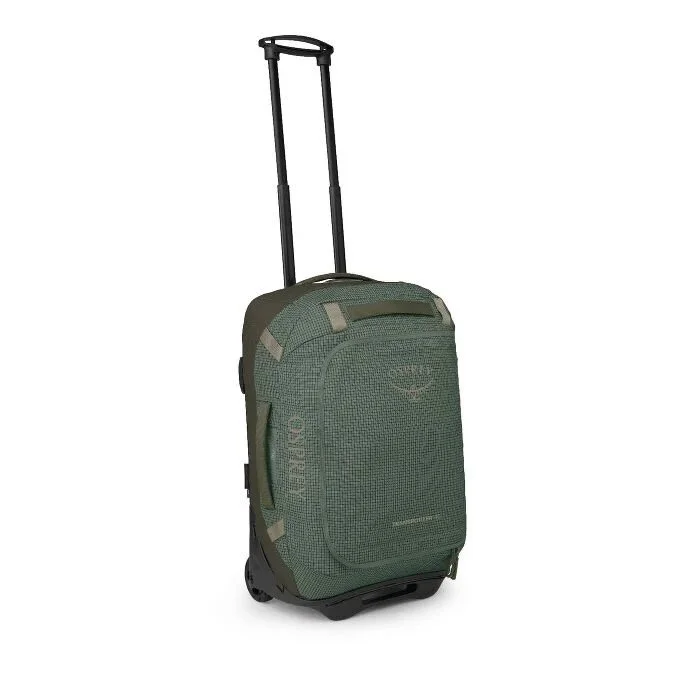
Osprey Transporter Wheeled Duffle 40. The exterior is “highly water-resistant NanoTough(TM) fabric with a large external end pocket, and strong zippers protected by a rain flap (!). This bag is considered a “heavy gear hauler.” Osprey makes other great bags, but the Transporter series is the toughest and most versatile. I like it so much that I bought a Transporter Wheeled Duffle 90 for extreme-cold travel, when the gear is bulkier. Sustainability: Osprey has a third-party Bluesign Rating for almost all of their products, including this bag. (Note from Roberta: This is the bag I have used for two weeks in Colombia, Alaska, Namibia, and more - I LOVE it)
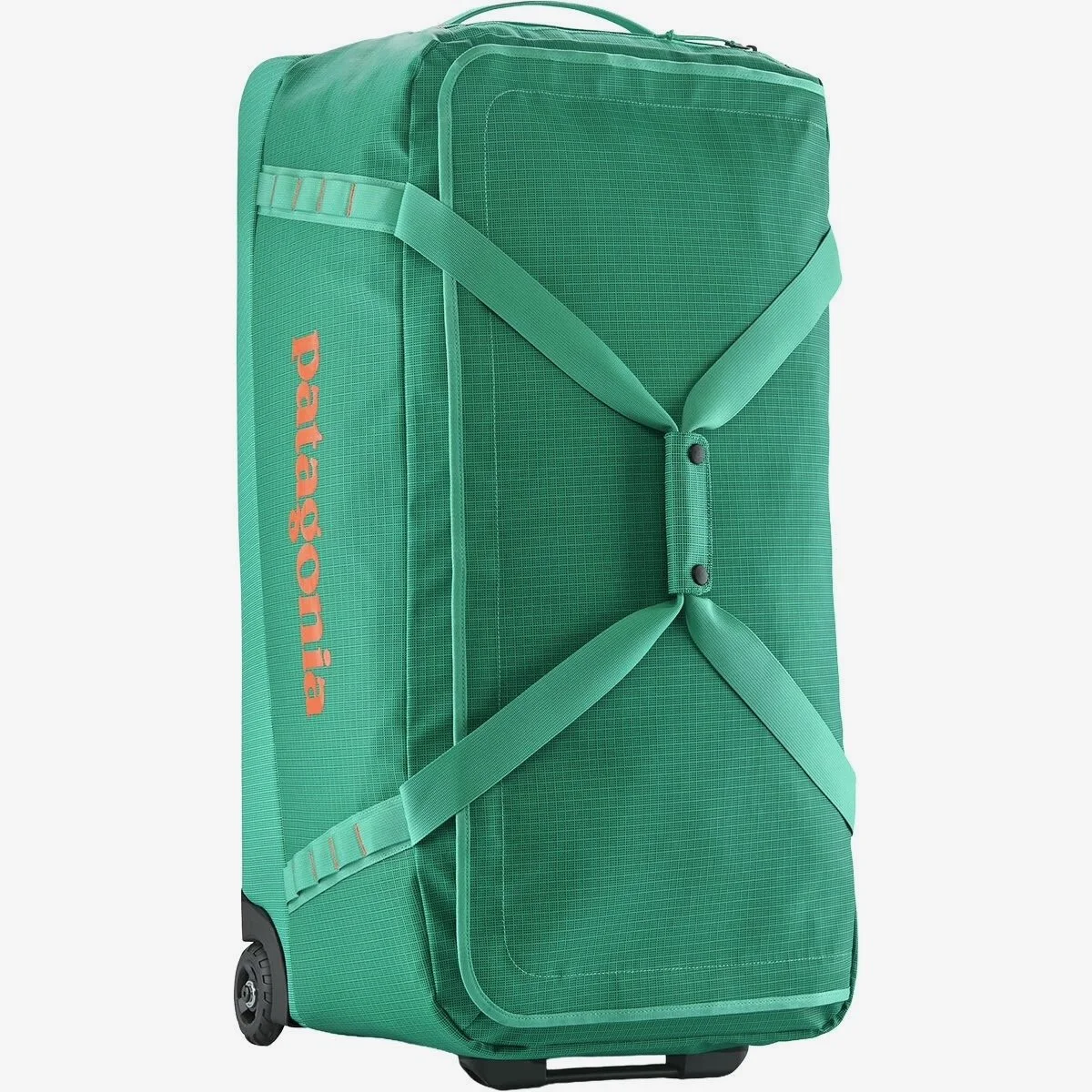
Patagonia. The Black Hole Wheelie (37L) or Wheeled Duffle (70L). The 34L may be a bit small; the 70L is definitely not a carry-on. The Exterior is water-resistant, but 100% recycled body fabric, lining, webbing, and TPU-film laminate. These bags are made in fair-trade factories.
There are others; just remember to keep the bag small- 40L should do it. If you must have a larger bag, keep it as small as possible and make sure you follow the guidelines above.
The Carry-on / Backpack - again, these guidelines work for just about all of our trips.
Your second bag is a backpack. To be frank, I usually stow my 40L bag and carry my backpack onto the plane. My backpack has my binoculars, camera, electronics, toiletries, a change of underclothes, sweater, extra reading and sunglasses, a couple of protein bars, and paper copies of all my tickets, visa, passport, itinerary, emergency numbers, and all other important documents. Why? The internet and WIFI may not be available when you absolutely need them.
If I’m bringing meds, they go in the backpack and stay with me through the flight(s). Anything that will make your life miserable if you don’t have it, is difficult or expensive to replace, or that you need in an emergency, goes in the backpack and on the plane with you.
REI Flash 22. A 22L, serviceable, lightweight, neutral-colored daypack with exterior pockets - this is about as big as you can go; otherwise, it will not fit under your seat on flights. It carries everything I need for a day in the bush and includes water-bottle pockets, a flap for wet rain gear, and snack pockets.
Osprey Daylight, about 20-22L. This is Kristen’s go-to. I can attest that she carries every conceivable emergency item for our groups, plus all her personal gear. And she always looks comfortable. You may also like the Sportlight 22 or Sportight 20 Hydration Bags
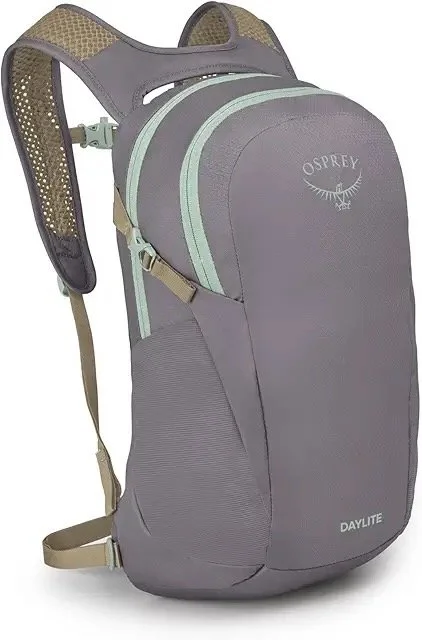
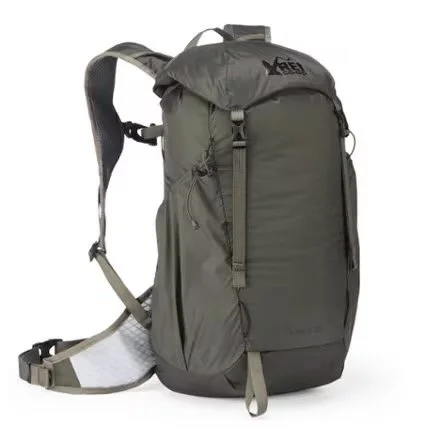
Small Day Pack
In the city, you will want to carry water, sometimes your lunch or snacks, an extra layer, and your rain gear, but you don’t need - or want - a full backpack to do it. A 15-20L pack is plenty.
Packing Cubes Keep You Organized and On Time
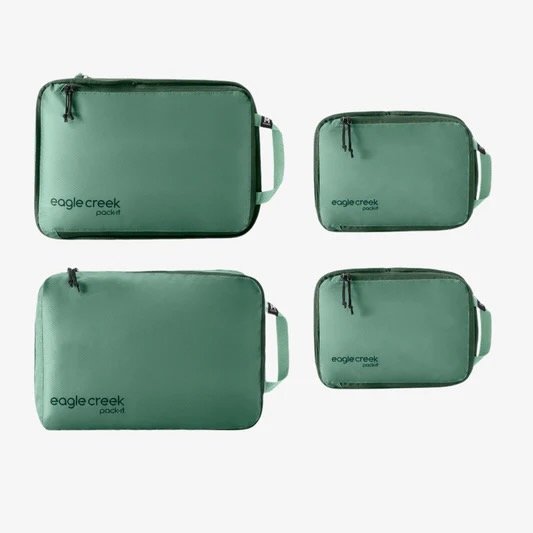
Packing cubes are an essential. I love these by Eagle Creek.
Packing cubes are your secret weapon. An African safari usually involves short stays in various camps. You will be living out of your duffel bag. I suggest using colorful packing cubes to organize your clothing and personal items. It makes packing and unpacking easy, and you can find things when you are running late for the dawn game drive. I never travel without my packing cubes. Period.
Notes from Les:
● I prefer Synlon or some other light, slick material. These are squishable, and the fabric slides as you compress the bag, making packing easier. You can also see through these types without needing mesh, which can let in dust or snag as you pack. Look for waterproof or water-resistant bags.
You can often find perfectly serviceable ones at TJ Maxx or Target.
Eagle Creek: My favorite are Eagle Creek. They have four fabric styles, many shapes and sizes, come in waterproof or water-resistant, and are available to buy in sets. I have a water-resistant set that includes one bag with a “dirty clothes” side for when I’m feeling lazy. I love the handles. My Eagle Creeks have proven to be reliable over at least five years of travel. REI and Amazon both carry them. But you can often find perfectly serviceable cubes at TJ Maxx or Target.
What to Bring for a Week of Nature in an Urban Environment

Pro Tips for Urban Birding Attire
The basic rules stay the same for Namibia or New York: Comfortable layers in nuetral colors, sun and bug protective - and layers!
Go with earth tones.
Neutral colors are less likely to disturb wildlife and less likely to show the inevitable dust and grime of both the parks and the streets.Go solid.
It is generally easier to pack mostly solid colors, rather than prints. They are easier to mix and match.No camouflage or overtly military-looking garb.
While not illegal in the US, as in some countries, it can convey the wrong idea. Leave it at home.Laundry Service:
Many hotels offer laundry service for a fee, or can suggest a pick-up and delivery laundry service. And of course, laundromats are usually available in urban areas; however, a trip to the laundromat is time-consuming. Why waste the time on holiday? As always: If you have a clothing item that needs special care, don’t bring it.Some laundry services do not wash your “unmentionables.”
This is why we wash our underwear and socks every night in the sink. (see below for foldable Hangers with clothespins)Best Fabrics for Nature and Urban Environments.
Stay with quick-dry fabrics that offer UV protection and insect repellency. Merino wool for underlayers is fine (hand-wash it). Cotton knit (think t-shirts, socks, and undies) is not great, it takes too long to dry. Jeans are OUT except on the plane - yes, even on urban nature expeditions.Style! Keep the “look” casual, neat, and comfortable. The “safari” look is fine. Bring easy packing slacks or a skirt and a couple of nice tops for the evening. Ladies, leave your heels at home. New Yorkers protect their feet and stay safe on broken pavement with flats or low-heeled shoes and “sneakers.”
Essential Clothing for 1-Week Birding in New York City
► Base Layers
✓ Underwear x 3 -4 pairs
People tend to ignore this layer - but comfort starts here! Make sure they are quick-drying fabric. Cotton may not dry overnight. Read this article from REI Check out: ExOfficio
Pro Tip: Keep an extra pair of underwear in your backpack.✓ T-Shirts x 3-4
Spring in NYC should be warm (50-70F), but cold, hot, and stormy days are possible. A tee-shirt provides warmth when you need it and helps keep you cool when the temperature rises. Moisture-wicking and loose are best, and of course, as quick-drying as possible. Some of our guests swear by tropical-weight wool. They hold up extremely well, are moisture-wicking, and odor-resistant. REI is also a good source✓ Socks x 3-4 pairs
► Second Layer - Shirts
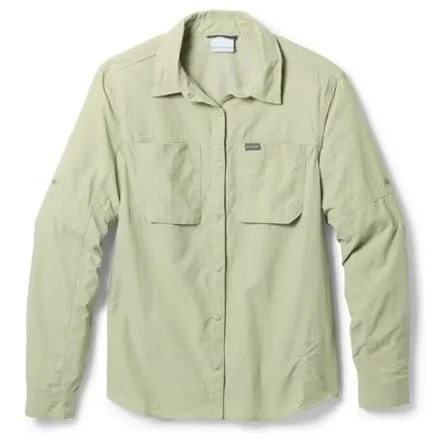
✓ Long-sleeve, button-down with collar x 3 to 4 shirts
Fabric with UV protection and insect repellent. Spring temperatures are notoriously unpredictable. All my shirts are long-sleeved and can be rolled up. Long sleeves protect from the sun and help with insects. Fishing shirts are great - I like Orvis; the LL Bean “No Fly Zone” can be a little stiff at first, but nice; Colombia makes great versatile, sun-protection, “safari-type” shirts, and there are others.Second Layer - Pants
✓ Long-leg Pants x 3 to 4 pairs (Convertible)
Convertible pants are a great fit for warm or tropical climates. You can find them in technical fabrics like this pair from REI, or in natural fibers. Long-leg pants protect against UV rays and insects. The zip-off legs give you options. (I love my REI pants)You can also find good pant options in cargo-style or straight-leg styles. Look at the usual suspects: LL Bean, Orvis, Patagonia, for the best quality. Remember, these items should last through many years of exploration.
► Outer Layer
Mornings, evenings, or mountainous regions can get cool even in the tropics. You’ll want to have an outer layer that can come on and off quickly and not take up a lot of packing space
✓ Fleece or light jacket x 1
A fleece is always a good go-to item. Patagonia makes its fleece from recycled materials. They now have a lightweight, quick-dry version with or without a hood.► Rain Gear - Your best friend in the shoulder season.
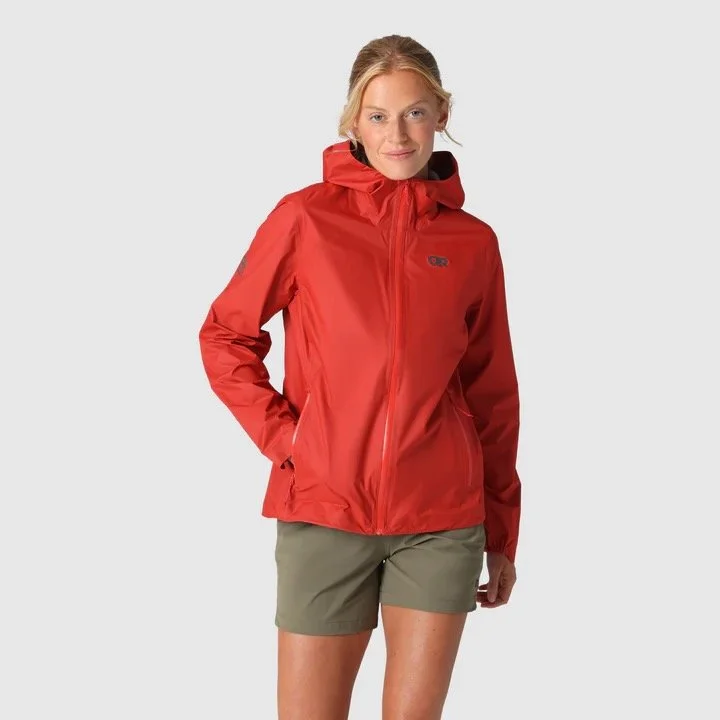
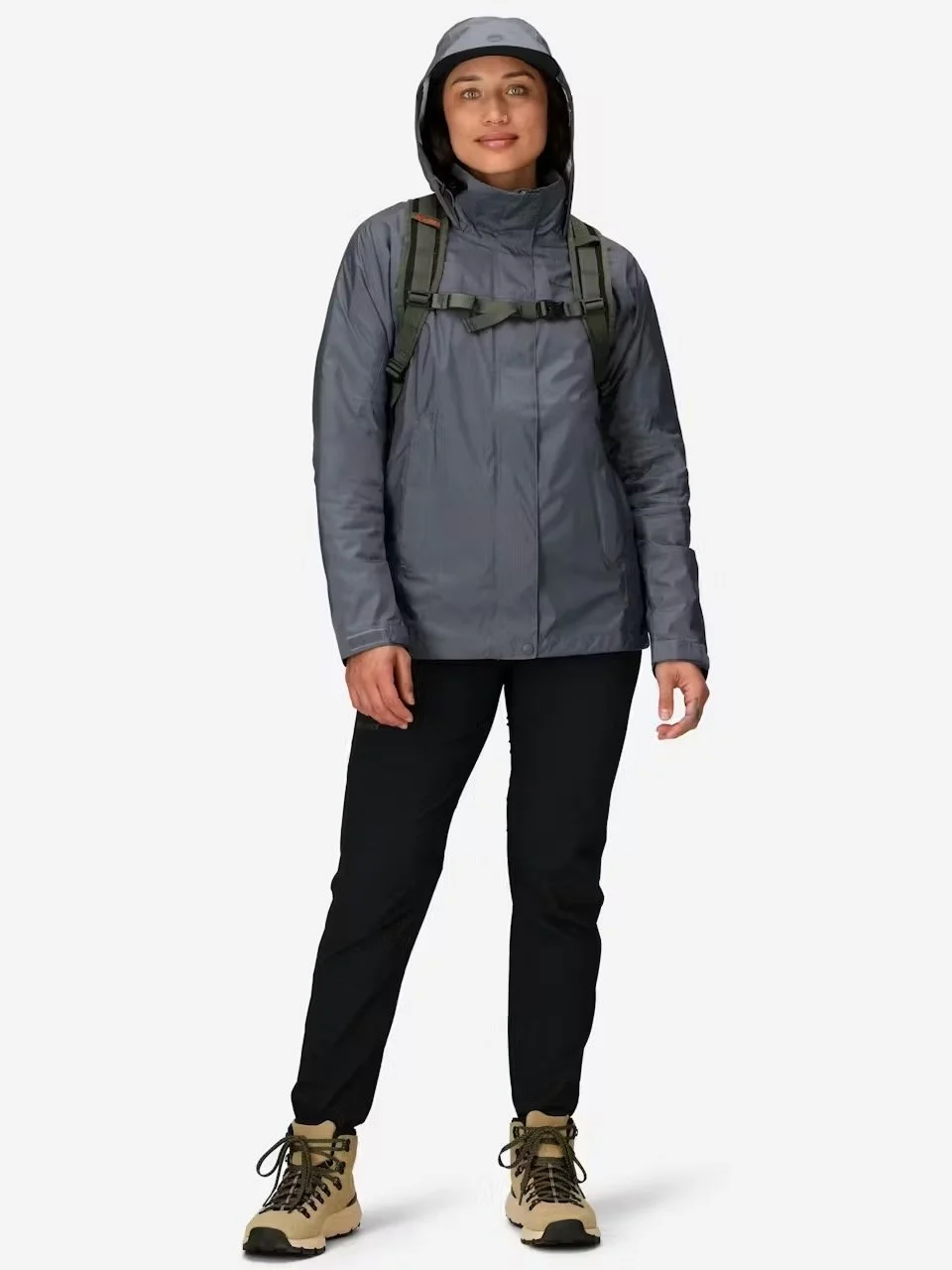
In the spring, your rain gear decides whether you have a great or miserable experience. Invest in the best rain gear you can find. I like jackets and pants that fold small, are lightweight, and hide easily in a backpack.
Notes: The rain jacket should fit over your shirt and merino hoodie or sweater. You don't need a multitude of technical features or extreme durability. A lightweight 2-layer moisture-permeable membrane jacket is sufficient. I like the Marmot and OR (Outdoor Research).
My OR “Helium” set folds into a small pouch, lives in my backpack, and has saved me many times in Africa, South America - and Central Park! D: W Leader , Kristen, suggests Helly Hansen as a good, economical alternative.
✓ Rain Jacket x 1
There are only two “must-haves”: 1) an interior pocket or watertight exterior pocket for your phone, and 2) a hood.✓ Rain Pants x 1
Rain Pants are a top layer and should slip easily over your pants.✓ Rain Hat x 1
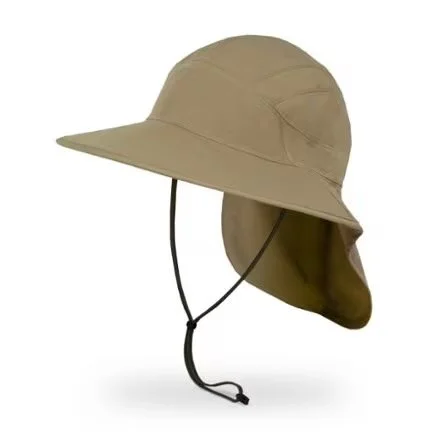
Waterproof rain hat with a brim to keep water out of your eyes. A chin chord is the best idea, where there is heavy rain, there can be heavy wind, too. Check out OR, REI has a great selection. NOTE: Get a hat with UV protection, like the Ultra Adventure Storm✓ Small waterproof or other lightweight zippered bag x 1
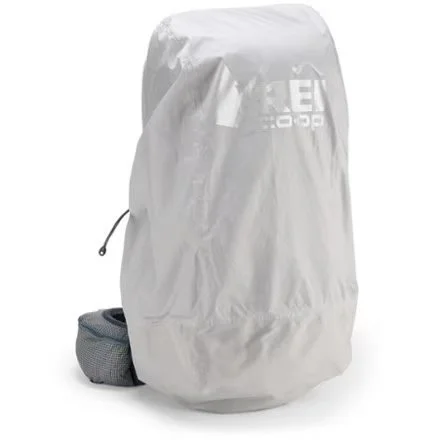
To holds your raingear inside your backpack✓ Rain fly for daypack: aka a backpack rain cover, x 1
This is a waterproof layer for your daypack on wetter days✓ Large plastic garbage bag x 1
We do not want single-use plastic on tours - this is the only exception. Fold it up, keep it in the zipper bag. Mine was unused for years before I needed it in Mexico for wet gear that needed to be packed before it dried.► FootGear
Take care of your feet, and they will take care of you!
✓ Socks x 3 or 4 pairs
The REI Co-op Flash Merino Wool Lightweight crew socks are great summer-weight hiking socks and ideal for a safari. They are naturally breathable, sweat-wicking, quick-drying, and odor-resistant. Anything like this will work.✓ Hiking Boots, lightweight or Trail Shoes x 1 pair
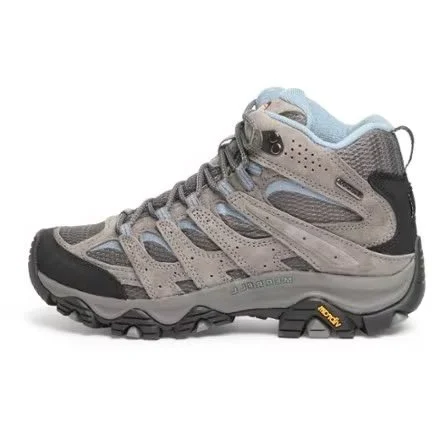
I usually like a mid-height for extra support. We won’t be climbing mountains, but we WILL have uneven paths and broken pavements in the city, so get what is most comfortable for you.Look for good support, excellent tread, and water resistance. For me, Merrell (Moab line) works the best, but Keen is a proven brand, and there are others. Head to an REI store and let the experts find your best shoe or boot. It’s worth the effort.
Recently, I bought a low-rise for general city use - again, Merril was my go-to again (no, we are NOT affilated with this brand, it just simply works). I got a pair of Speed 2 because it was rated the best hiking-to-city shoe. I like them and they are available in Gore-tex.
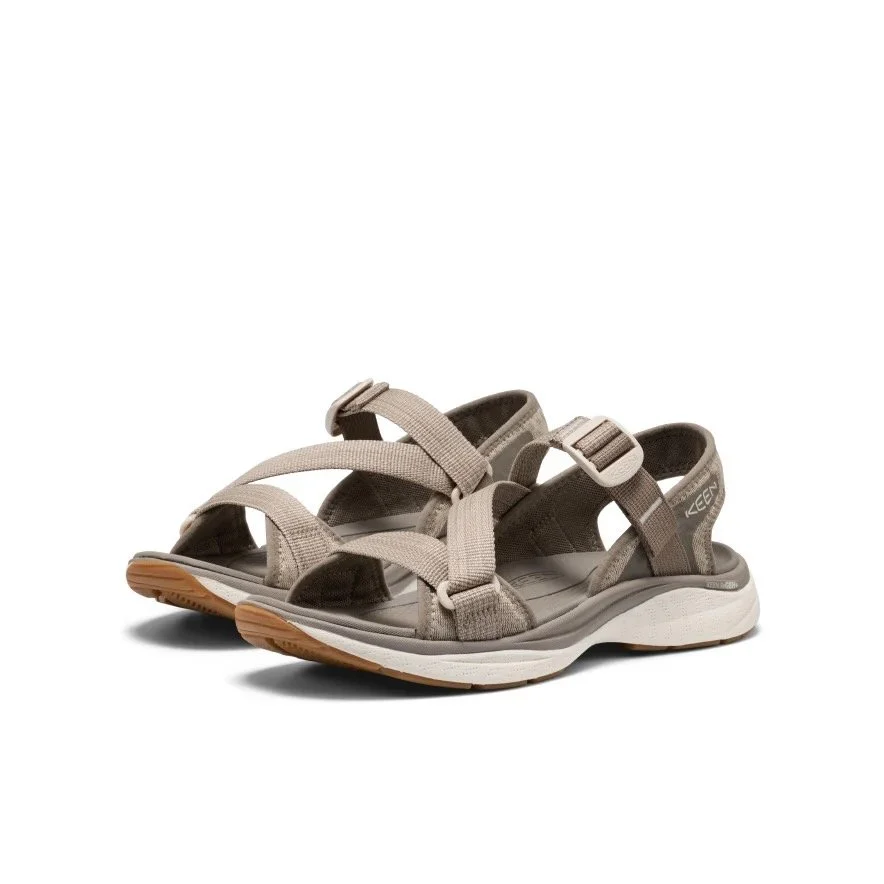
✓ Open Shoe - This is where the Urban environment can really impact your choices. You may want two pair.
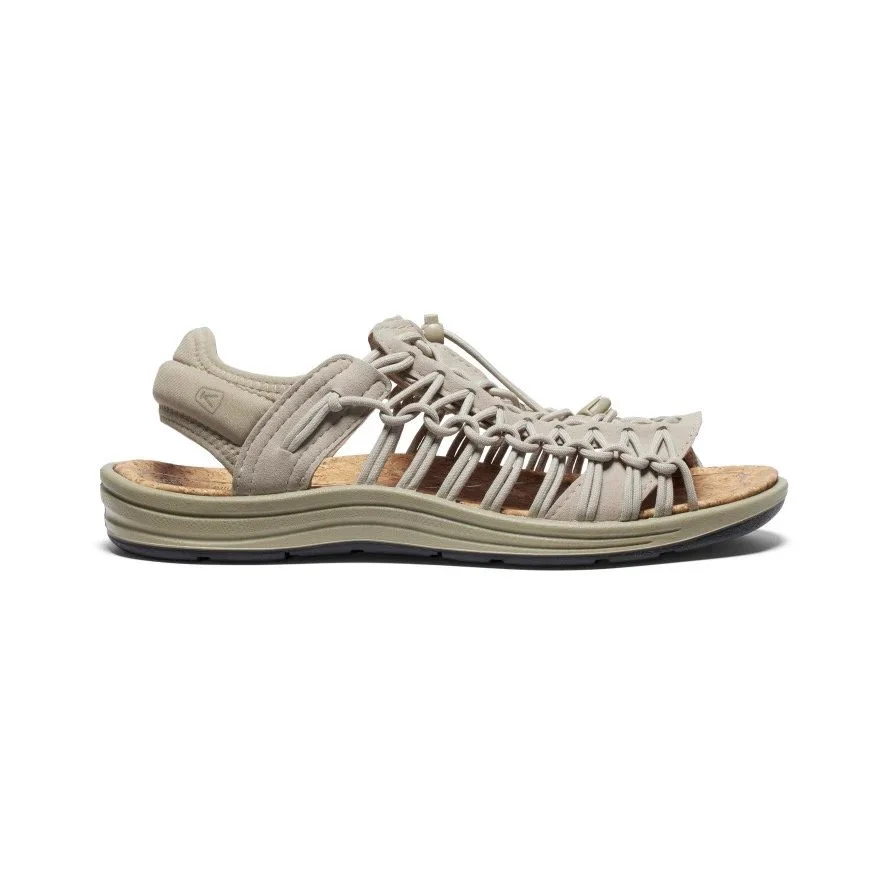
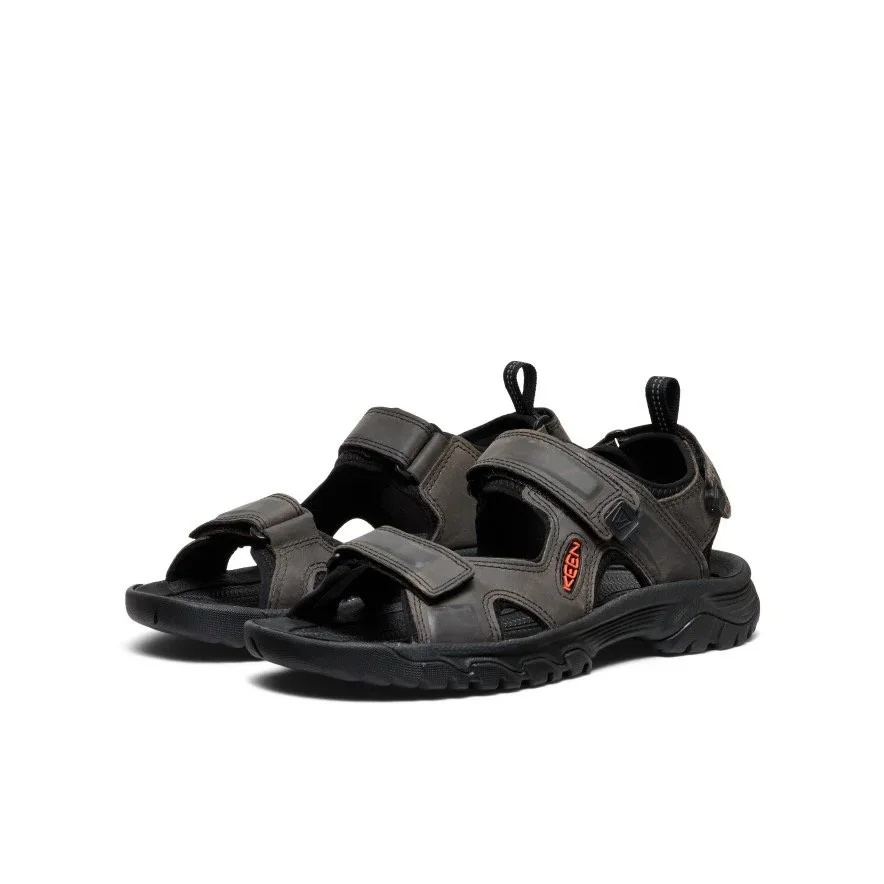
1. Open toes for birding in the city. If the weather is warm enough, you may want a lighter shoe. Keen makes nice options, not glamorous, but hardly, and protective, while comfortable and airy. Once you’ve spent time in nature with Keens, they will become a “must-have” for all your outdoor adventures.2. “City shoes” for the short walk to dinner, or if you want to city-up a bit. Low or flat, comfortable sandals or shoes can come in handy and turn an “outdoors” or more informal outfit into an urban ensemble.
► Your City Bag
Ladies, please note the photo above. The women are wearing a cross-body “purse.” That is what you want for evenings and generally walking in the city. Your bag should always be across your body, not hanging from your shoulder or in your hand.
► Sleep Wear
You will be in a lovely hotel - whatever your usual sleep attire is will be fine. That said, when away from home, I like to wear something that will not embarrass me if I’m seen in it.
✓ Sleepwear - 1 set
I usually bring a longer t-shirt and long-legged bottoms, but anything you are comfortable in will do.
Other Essentials For a Tropical Safari
Binoculars are vital even in the city. These folks are in New York’s Central Park in May for the Spring migration.
Binoculars
Traveling to see wildlife or birds without binoculars is a waste of time and money. Period. Invest in a good pair; they last for decades, if not longer. Not only do good binoculars bring distant wildlife closer to you, but their light-gathering capacity also helps you see at dusk and dawn. Traveling as a couple? I recommend one pair of good binoculars per person, so that neither of you misses out when viewing the same once-in-a-lifetime hunt or nesting bird.
✓ Binoculars - what to look for
While this depends on the optics' quality, the general rule is that 10x42 binoculars offer the ideal combination of magnification (10x) and aperture (42mm) for optimal wildlife viewing. That said, if you have a good pair of 8x 40 binoculars, they will work fine.✓ Binocular Harness
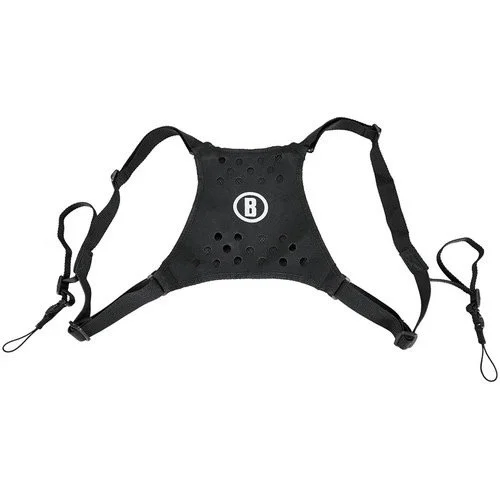
This is a must-have. They keep your neck from getting sore, and your binoculars from getting lost or hitting the ground. NOTE: Binoculars don’t bounce. Try B&H Photo for a good selection. This Audubon article has a good binocular overview and a “how-to” video.Eye Wear
✓ Sunglasses 1 or 2 pairs
I like to have my sunglasses on a chain for fast on and off when using binoculars or a camera. Invest in a good pair and have a back-up just in case✓ Reading Glasses 1 to 3 pairs
I bring at least 3 pairs. Yes, you can get a replacement set of readers in a local CVS - but why waste the time?Hydration Supplies
✓ Reusable Water Bottle x 1 or 2
There are no single-use plastic bottles on tour with Destination: Wildlife.
A 1-liter insulated water bottle is indispensable - even in the city. Choose one with a wide mouth if you want to add ice. 2 bottles aren't too many. You should be drinking constantly to keep yourself healthy.✓ Electrolytes
Yes, even in the city. Electrolyte packets or tablets are a smart idea. It’s easy to go all day, distracted by birds and not drinking enough water. Dehydration will cause headaches, nausea, dizziness - and then it gets worse. I put a packet in my water bottle every day.✓ Tissue
For everything.✓ Hand Sanitizer
Insect Repellant
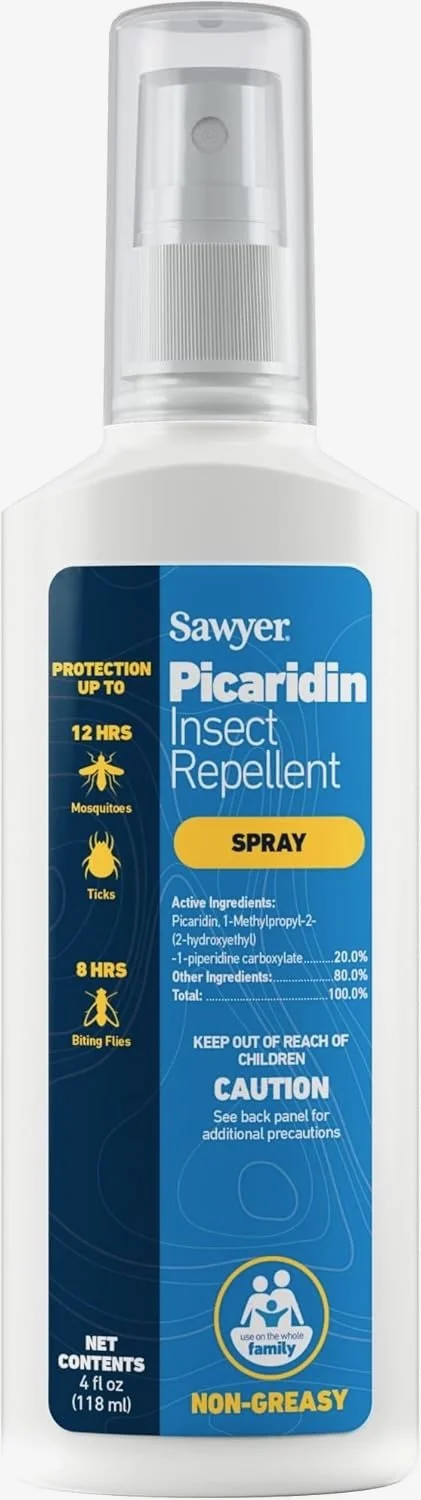
You will need insect repellent. Insects are a fact of life and biodiversity. The warming climate is causing mosquitoes and ticks to appear earlier.
Start with the insect-repellent clothes mentioned above, and add bug deterrents:✓ 20% picaridin formulas
These are usually as effective as DEET (sometimes more so), don’t eat plastic, are not as messy, and have fewer adverse effects on the environment.
Insect repellent wipes are very convenient and not subject to the 3oz liquids rule if you are flying in. But keep in mind that you are bringing trash to someone else’s home. You need to dispose of these properly. I bring liquid or cream-based formulas, wrapped securely in paper towels and in a waterproof bag for travel.Sunscreen
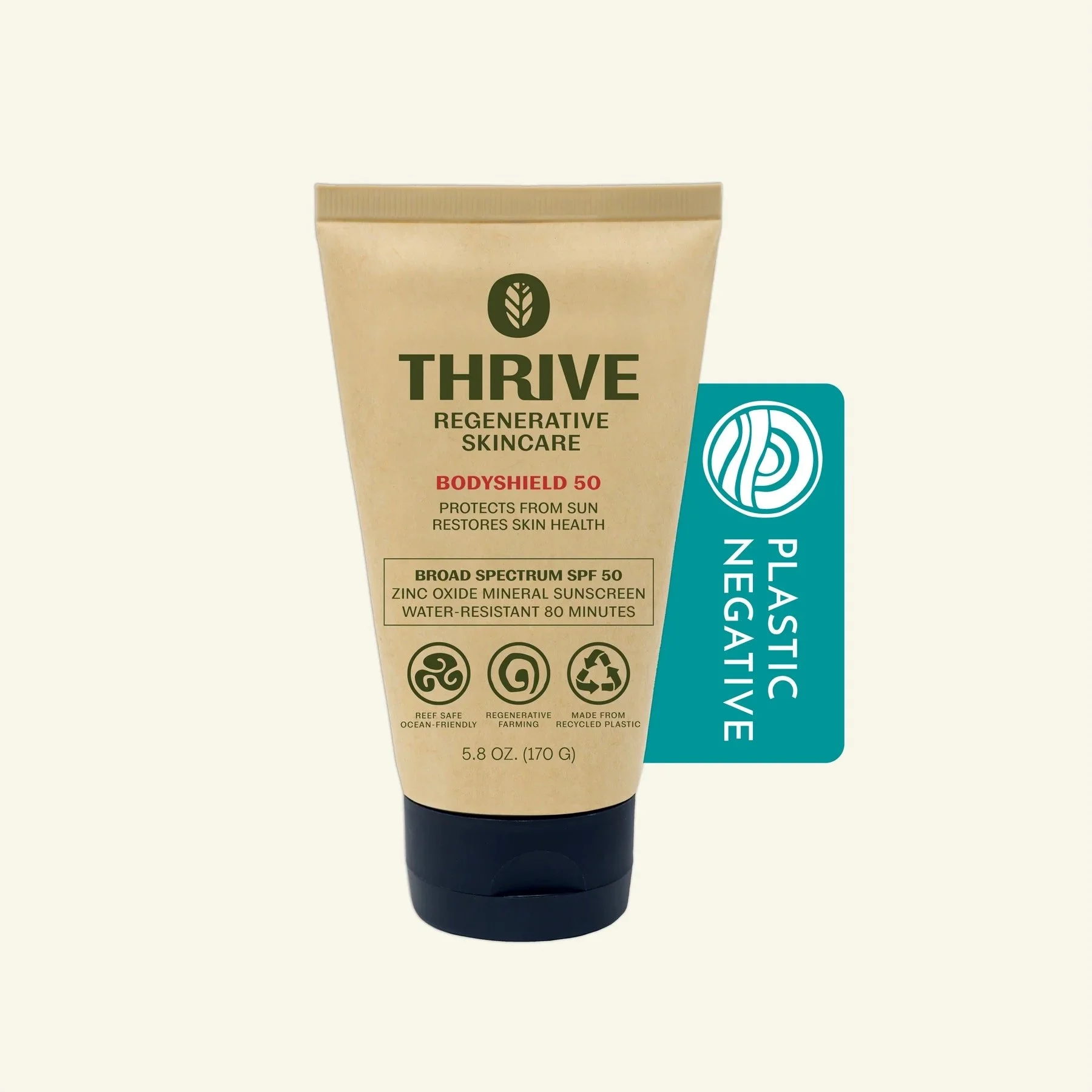
✓ Environmentally friendly sunscreen.
While the term "reef-safe" sunscreen primarily applies to marine environments, nanoparticles, microplastics, and harmful chemicals are not beneficial for you or the environment. Reef-safe is a good way to go, even if the only water you’ll come into contact with is in the shower or rain.
Thrive is a good choice; it’s chemical-free, water-resistant, reef-safe, and the container is made with recycled materials.First Aid Kit
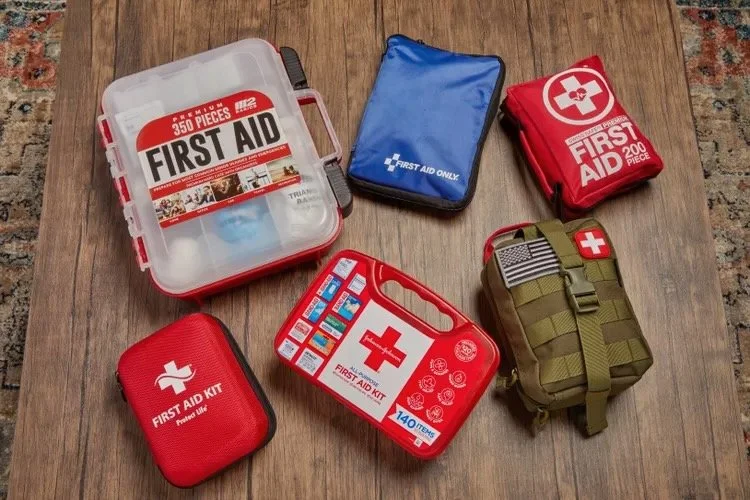
✓ I recommend a small personal first aid kit that includes: I recommend a small personal first aid kit. Keep it small; you don't need a trauma kit. ● Electrolight packets ● Airborne or Emergen-C ● Ibuprofen ● Imodium ● Antihistamine (if you react to insect bites) ● Tweezers ● Band-Aids of various sizes ● A couple of gauze pads and tape if you play with knives ● Disinfectant ● First aid cream or Neosporin. Look here for a great analysis and recommendations by Health
Walking Stick - optional
✓ Foldable Walking Stick - (so you don’t need the First Aid Kit)
We don’t think of urban areas as particularly strenuous hiking, but the terrain can be uneven, broken, stony. or slipperyWalking Sticks or Poles are for everyone; they are NOT age-or-ability-related items.
Gear Lab tested 70 and reviewed 19 walking sticks, shedding a little light on what to look for.
Personal Lighting Device
When you travel, you should always carry a personal lighting device; that is SEPARATE from your phone. I carry two for most trips. In the city, you may find me with one. A small LED flashlight and a headlamp. And of course you have your mobile phone, but that uses its battery. I like to save the charge for when I really need it.
✓ Headlamp
There are lots of different styles. I’ve used mine on my head and in my hand. It is always in my backpack. I like a headlamp with an emergency flasher. Warning! Try it on if possible; make sure it tightens and stays secure while you wear it. I had one drop on the bridge of my nose - it was a memorable experience! Head to REI for a wide choice and expert advice.✓ Flashlight, Small and Powerful
Snacks.
✓ Part of the fun of travel is trying a new food - but sometimes you just need a snack or a break from “unusual.” I bring a few Kind bars, protein or granola bars, and maybe a package of nuts; pick them up in a NYC neighborhood store.
Hangers
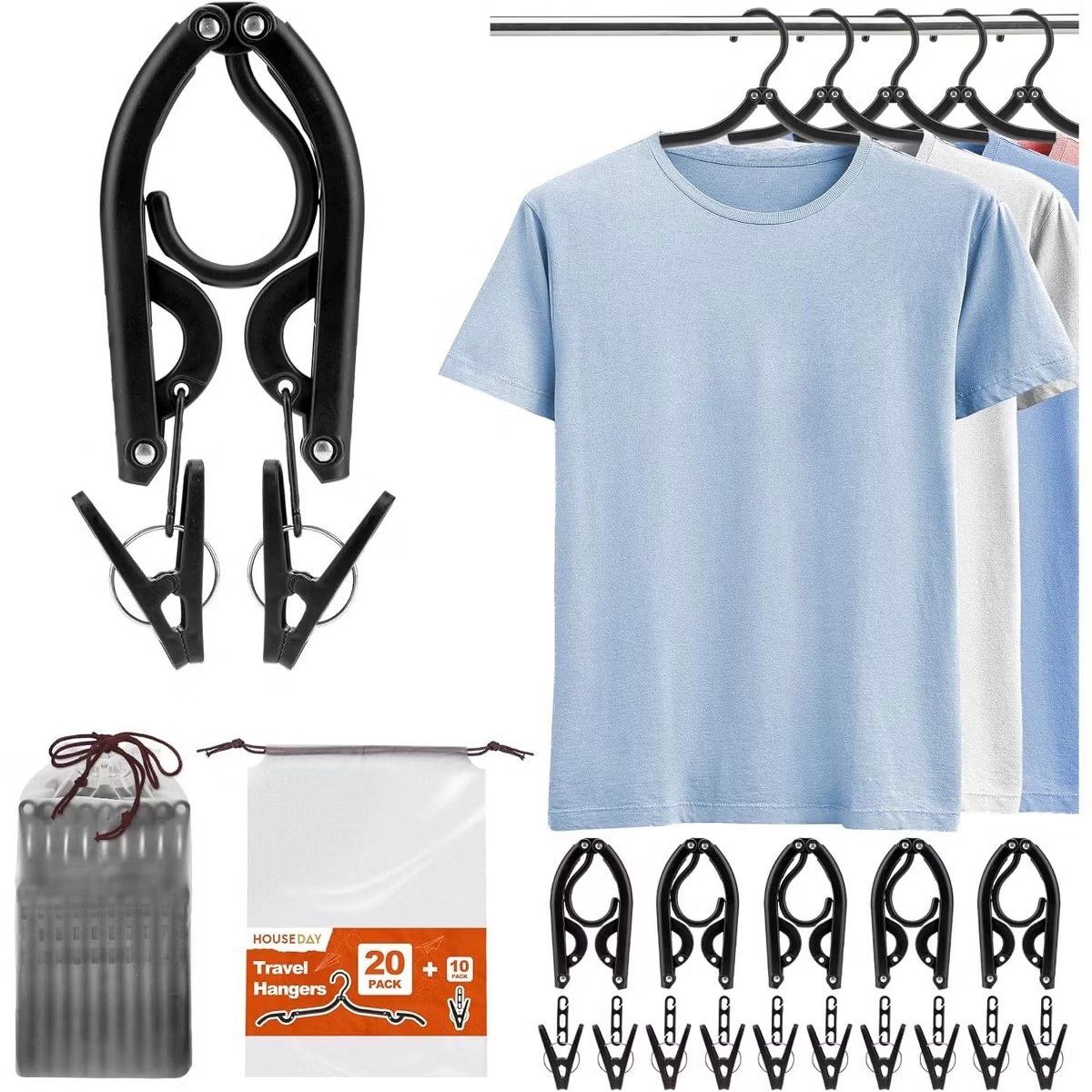
✓ Folding hangers
To dry laundry or hang out wrinkles. I find they work better than clotheslines and are less trouble. You can pick up a set online, but I usually bring 3 hangers with me wherever I go. Look for ones with attached clothespins or clips. Target or Amazon are places to look. They are inexpensive lifesavers!Laundry Sheets
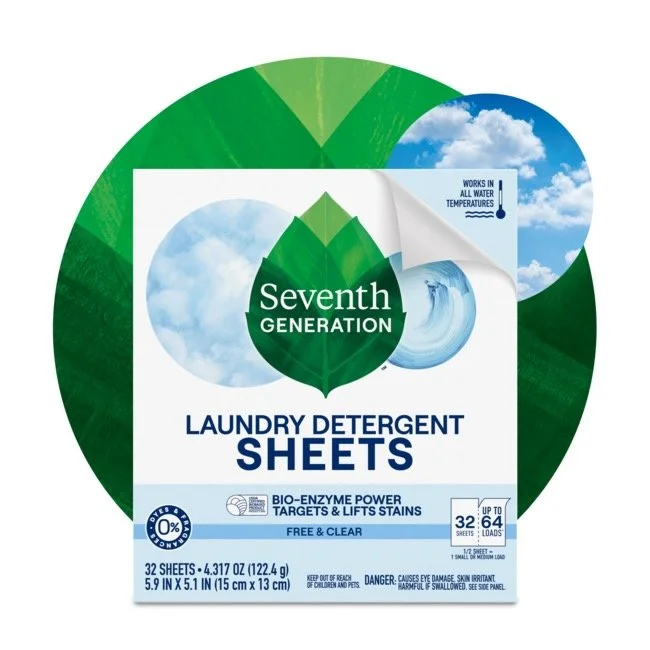
✓ Biodegradable, please.