Press Release: The Grassland Bird Trust to Permanently Protect More Grassland Habitat in Washington County
I saw my first Bobolinks here in the springtime when they arrived to perform thrilling arial acrobatics over the open grass fields competing for a mate. (IUNC Status: Near Threatened and Decreasing) Image: ©Gordon Ellmers
How I Discovered the Grassland Bird Trust and Why I love It
Roberta Kravette cofounder, Destination: Wildlife
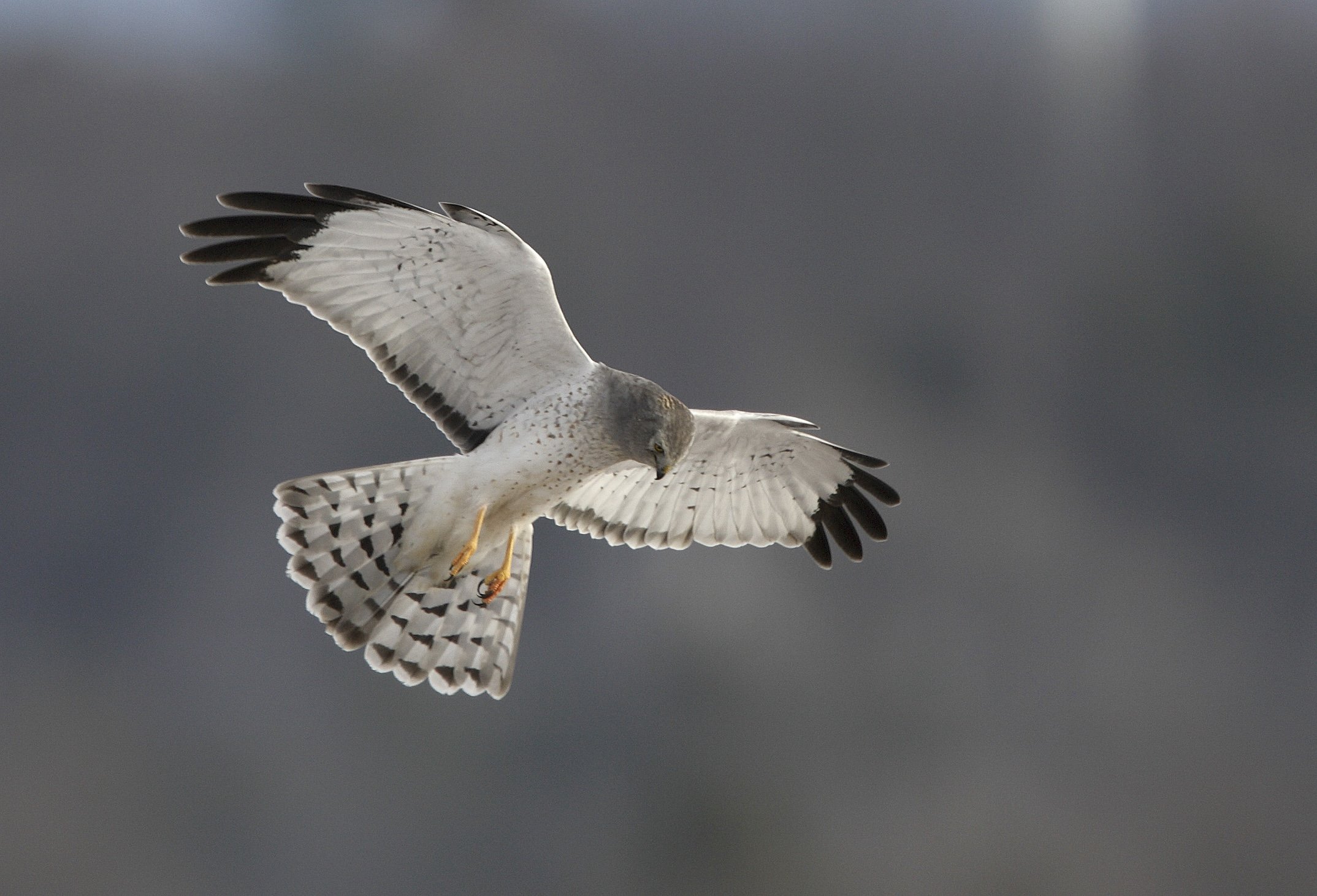
Note from Roberta: It was a cold, wet March day in 2016. Six of us, five UK wildlife tour operators and I, invited by the New York State Tourist Bureau, had a single afternoon to learn what the Grassland Bird Trust was and why we should care. The GBT volunteers were determined to show us their work - despite winds that pummelled our faces with ice crystals and freezing rain that seeped through our clothes. They took us all over the grasslands of Washington County and the Fort Edward area, pointing out Northern Harriers and other overwintering or early-arriving migrants, as well as intrepid residents. The birds are hungry - even in inclement weather.
By the time we got back to the hotel that afternoon, my colleagues and I were a wet and unhealthy shade of blue, our fingers and toes frozen. The volunteers from the GBT were glowing with passion for grassland birds and just getting started.
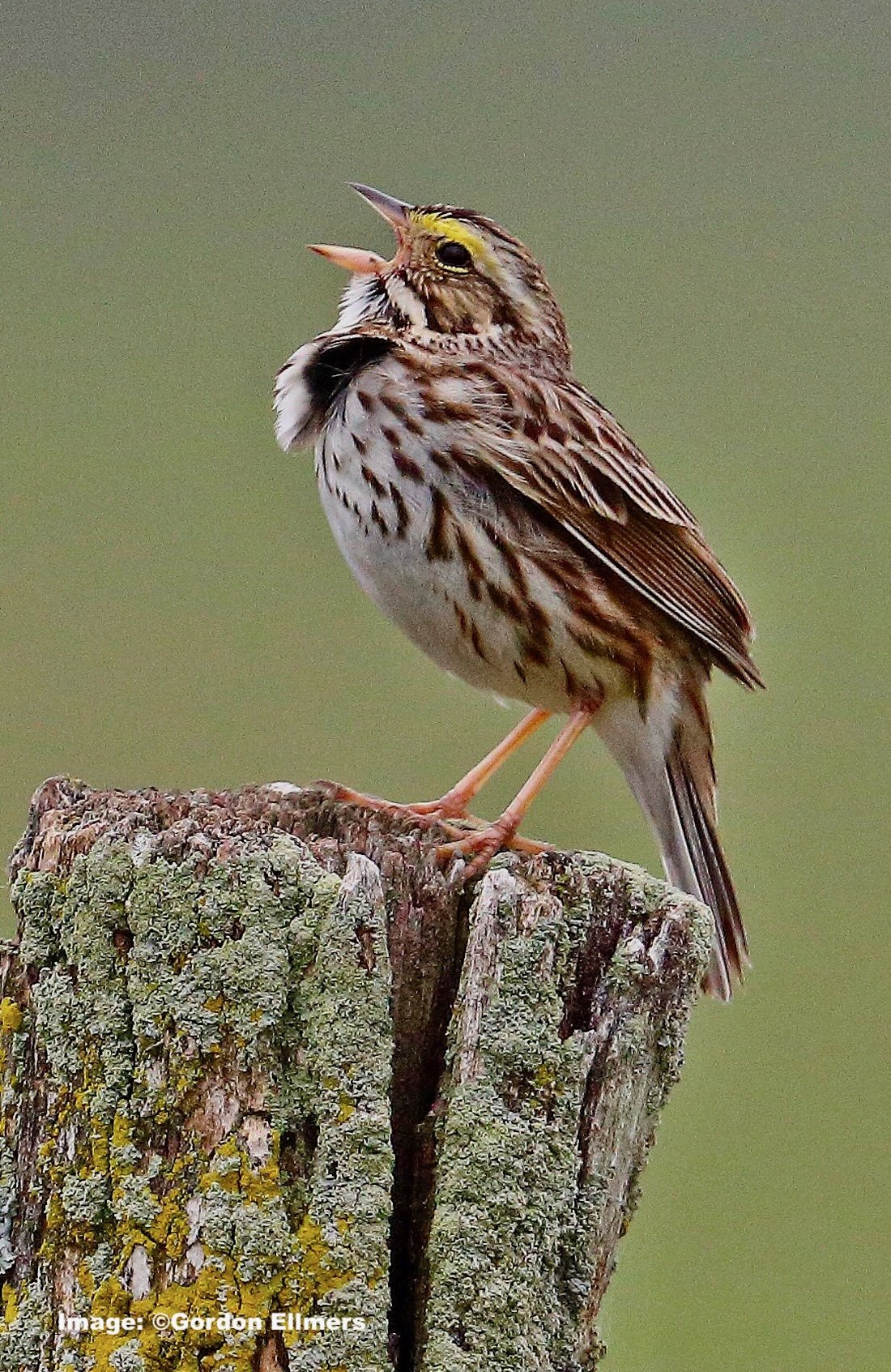
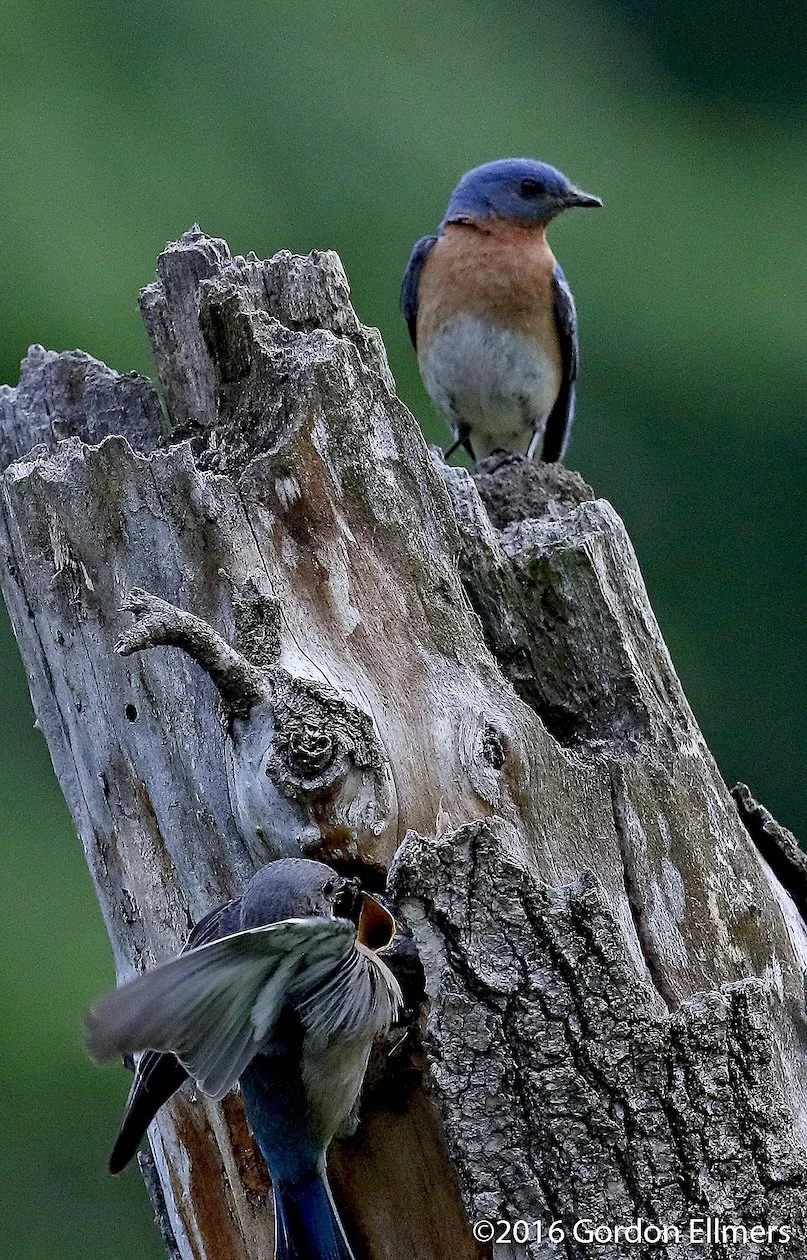
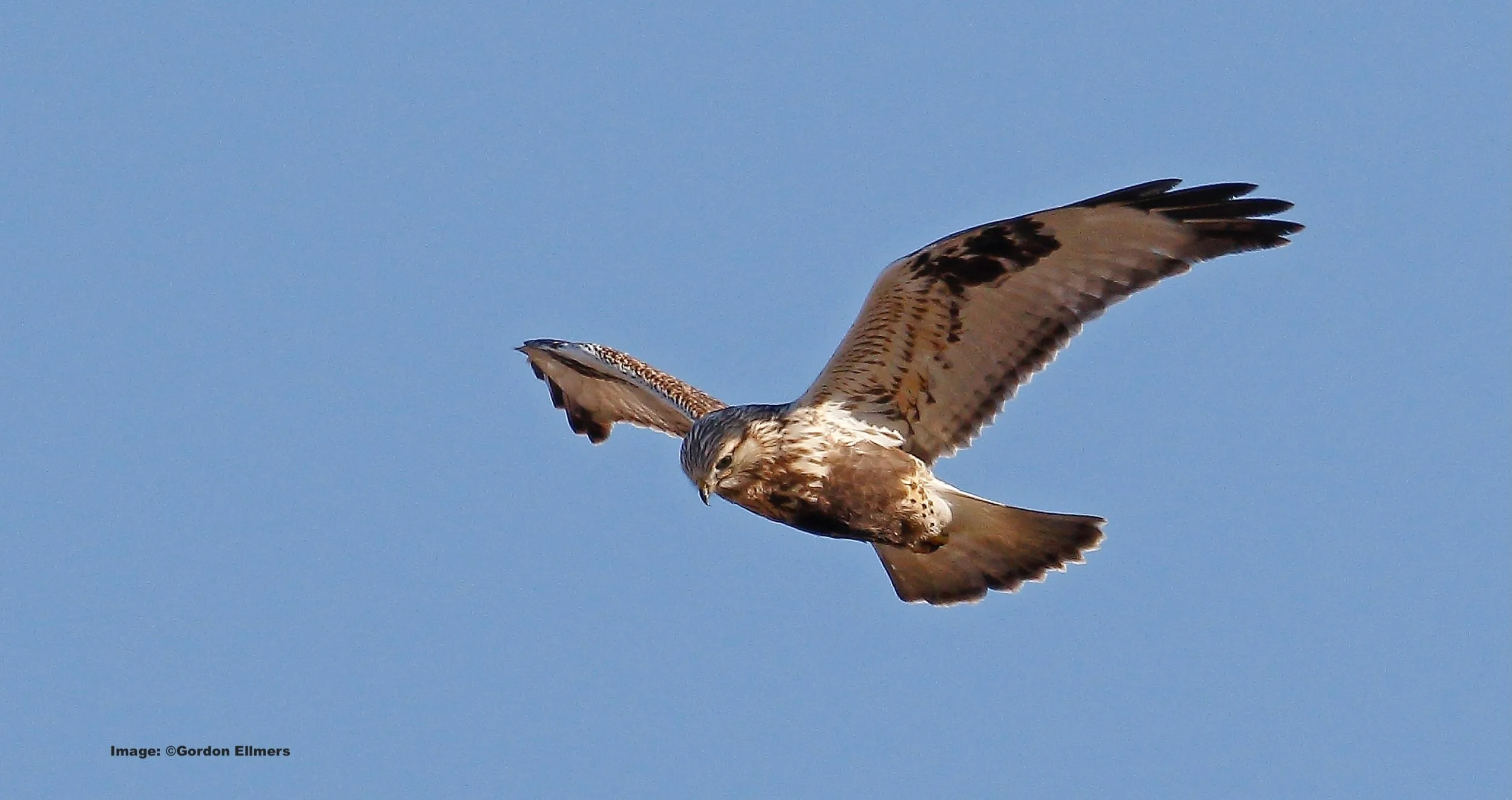
Over the past ten years of my association with the Grassland Bird Trust, I have seen that passion rise to even greater heights. The agreement outlined below is one manifestation of that passion. All the images in this article were taken by volunteer Gordon Ellmers in the grasslands. These birds drive the passion.
This rare Upland Sandpiper, listed as Threatened in New York State due to habitat loss, was photographed in grassland preserved by The Grassland Bird Trust in Washington County. Image: ©Gordon Ellmers
The Half-Decade Fight for a Grassland Birds / Renewable Energy Compromise
For almost half a decade, the (all-volunteer) Board of the GBT, led by Chair Terry Griffith, has been negotiating with Boralex (a renewable energy company) and the State of New York, to ensure that this clean energy solution for New York State residents is ALSO a sustainable solution for grassland birds.
Negotiating a compromise that Borelax did not necessarily need to proceed was difficult, expensive, time-consuming, and exhausting, and often seemed a pointless struggle - but the GBT persevered. And in May, they achieved an agreement beneficial to the future of grassland birds.
Because of the Grassland Bird Trust, Grassland Birds Have a Chance to Survive and Thrive.
We are grateful to the Grassland Bird Trust!
Female American Kestrel hunts in Alfred Z. Solomon Grassland Bird Trail and Viewing Area, where I have watched Kestrel fledglings hone their skills. Image: Gordon Ellmers, one of the many who give their time, talent, and resources to help the birds.
Below is GBT’s Press release. Keep scrolling for their KEY Takeaways and Facts.
Please Note:
All images were taken in the areas of the agreement; this is what the GBT fought to protect.
All italicized copy is directly from the GBT
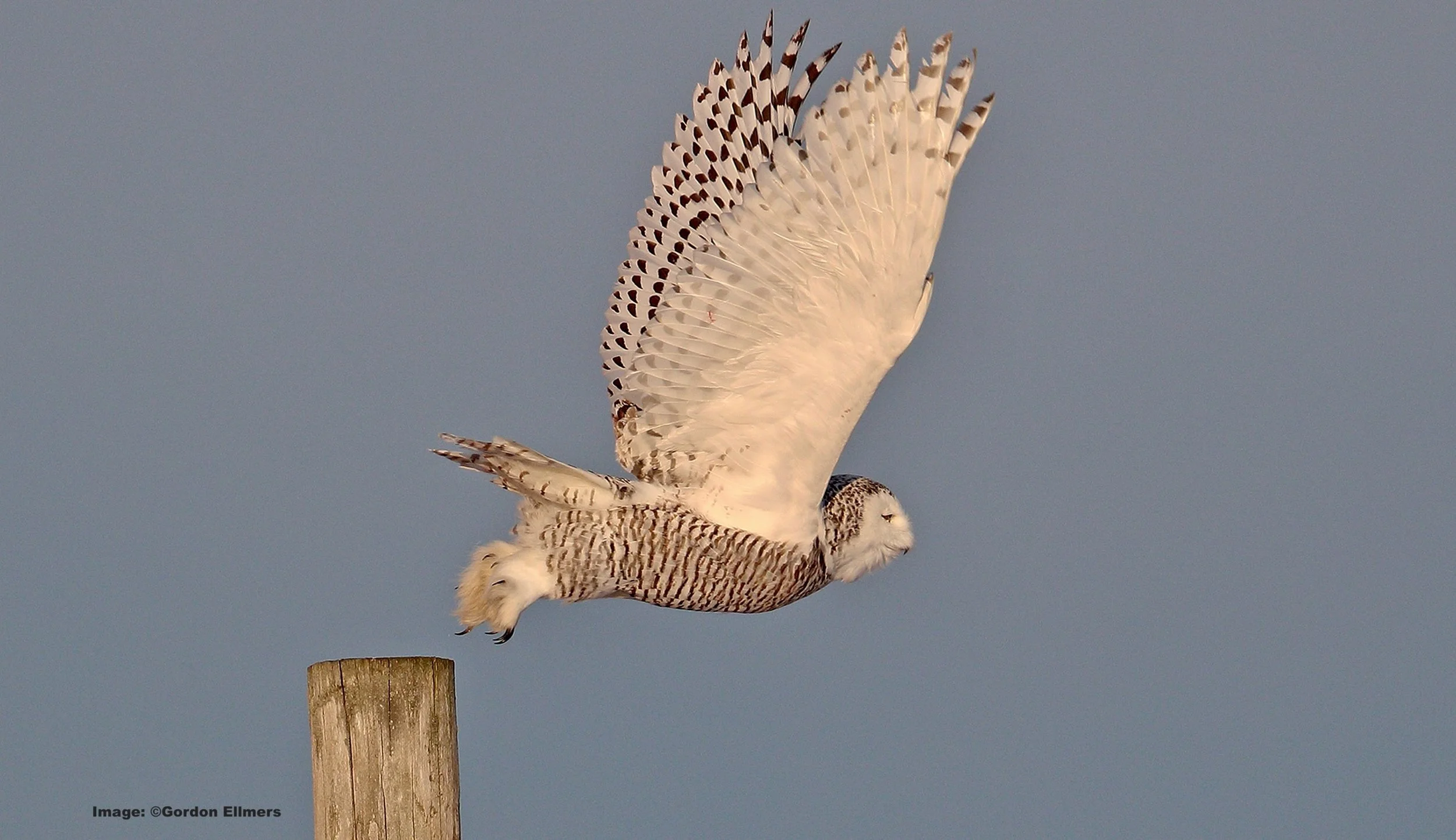
The conifers that frame many of of the GBTs protected open fields make perfect watching spots for wintering Short-eared owls like this one. Image: ©Gordon Ellmers
FOR IMMEDIATE RELEASE
May 27, 2026
Grassland Bird Trust to Permanently Protect More Grassland Habitat in Washington County.
On May 19, 2026, Grassland Bird Trust (GBT) (a not-for-profit land trust) and Boralex, Inc. (a renewable energy company) announced an agreement to support GBT's mission to permanently protect vanishing habitat for grassland birds in Washington County. Permanent conservation in the Washington County Grasslands is the only way to protect the habitat forever and is a win for the birds and other wildlife.
The Grassland Bird Trust’s Goal
GBT and Boralex began discussions five years ago when Boralex announced plans to build an approximately 900-acre solar facility in the Washington County Grasslands and applied to the NYS Office of Renewable Energy Siting (“ORES”) for a site permit.
GBT supports renewable energy and never tried to stop the project.
GBT’s goal from the start was to mitigate the effect of the solar project on grassland birds by securing permanent protection of habitat equal in size to the “take” from the birds -- much more than the legal minimum established under the ORES regulations.

The Results of Five Years of Negotiation
GBT’s discussions with Boralex resulted in a solar array field that is several hundred acres smaller than the original design. Moreover, the revised design will leave a flyway for birds near the 500-acre DEC Wildlife Management Area, which is managed for grassland birds.
Most important, Boralex will provide funding that will, over the next few years, enable GBT to permanently protect enough habitat in the Washington County grasslands to achieve GBT’s long-term goal to keep grassland birds in Washington County. These birds include the endangered Short-eared Owls, threatened Northern Harriers, Eastern Meadowlarks, and Bobolinks.
On May 26, 2026, ORES issued the Final Siting Permit for the Fort Edward Solar Project to be built by Boralex. This enables Boralex to proceed with planning the 100MW solar project that will include (as currently configured) 527 acres of solar panels in the Washington County Grasslands.
Why This Agreement is Vital to New York State and Its Natural Environment
Development of the Washington County Grasslands is inevitable as evidenced by the changes that have already occurred around and in the grasslands over the last ten years. The agreement between Boralex and GBT will help ensure that we will see these beautiful “at risk” birds flying wild in the Washington County Grasslands for years to come.
GBT is the only land trust in NYS whose sole mission is to permanently protect grassland habitat. GBT has already permanently protected 153 acres and actively manages the land year-round for the benefit of grassland birds. Visitors to GBT’s viewing area and 2.6-mile birding trail at 160 County Route 42 in Fort Edward, NY, can see grassland birds in their natural habitat without disturbing them. The accessible viewing area and trail are open to the public most days from dawn to dusk.
Without permanent grassland conservation, the Washington County Grasslands will continue to be at risk from development of all types, including residential, commercial, and industrial.
We thank all of our supporters who have steadfastly stood by us for five years to achieve this significant milestone.
For more information:
Terry Griffin, Board Chair tgriffin@grasslandbirdtrust.org 518-499-0012
Katherine Roome, Board Secretary, kroome@grasslandbirdtrust.org
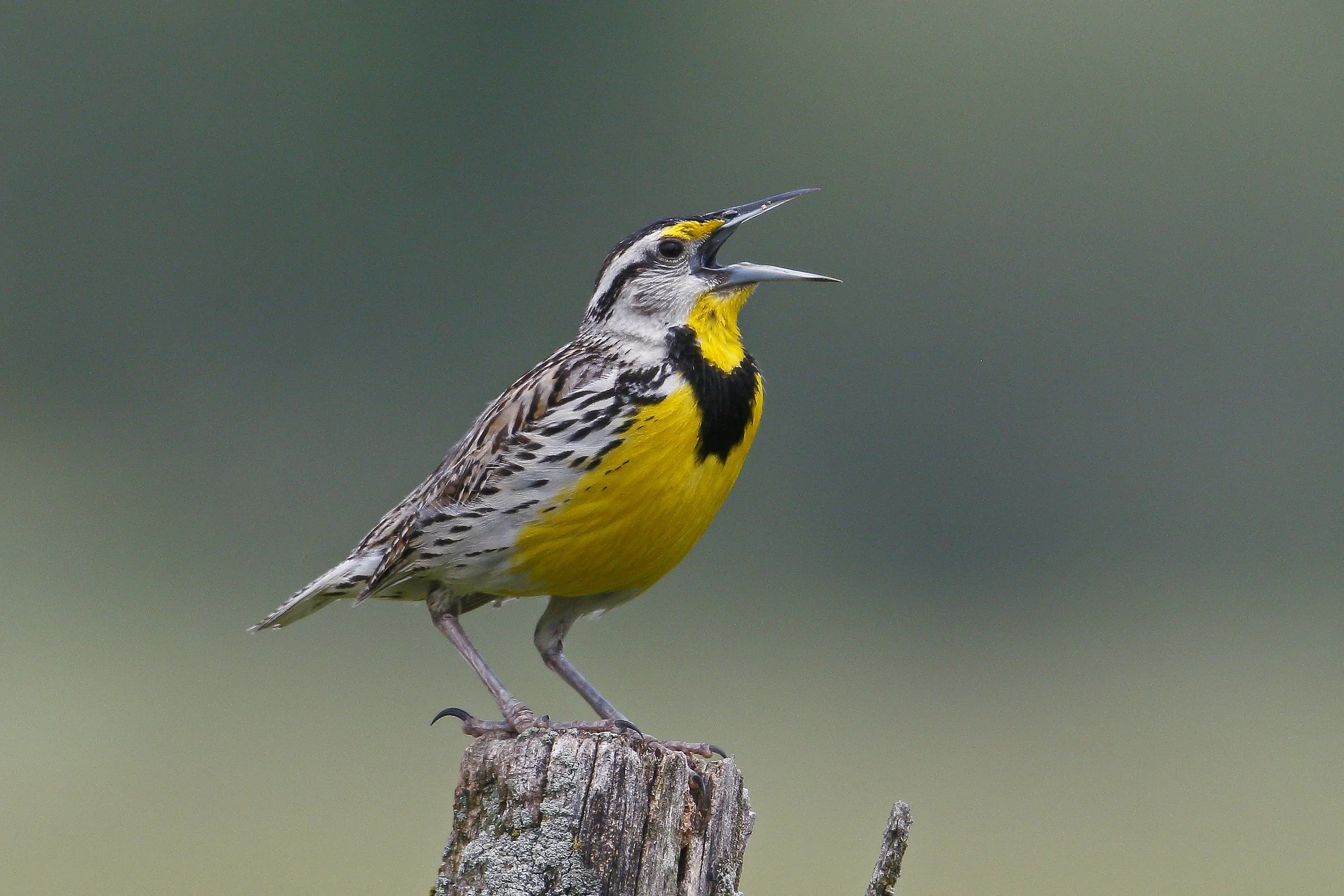
The Eastern Meadowlark, signing its heart out from farm, garden, and roadside fenceposts was a beloved sign of Spring, but habitat loss is causing their rapid decline. The Grassland Bird Trust’s agreement gives them a bit more hope for the future. IUNC Status: Near Threatened, Decreasing. Image: ©Gordon Ellmers
There is quite a bit of chatter about GBT’s agreement with Boralex.
These Are the Facts.
The Grassland Bird Trust (GBT) and renewable energy company Boralex recently announced that Fort Edward Solar will support GBT's mission by funding the acquisition of more land in the Washington County Grasslands for grassland birds.
Key takeaways:
The Reality of Development: Over the last decade, land all around the grasslands has been subdivided and developed for housing, commercial and industrial development. Development in the Washington County Grasslands is inevitable and accelerating.
Stopping the Solar Project Wouldn’t Protect Grassland Bird Habitat: The land for the Boralex project is privately owned and not protected in any way today. Even if the project were stopped, the land would be entirely unprotected and continue to be threatened by development.
Permanent Protection Secures the Future: Today, the only permanently protected grassland habitat in the Washington County Grasslands is GBT’s 153 acres and New York State’s nearly 500 acres.
Over five years of discussions with Boralex, GBT worked to substantially reduce the size of the solar array and create a bird flyway. Most important, GBT secured funding and, as a land trust, will acquire and permanently protect more grassland habitat in the Washington County Grasslands. That protection will endure forever.
To Keep a Grassland, You Have to Manage It: Grasslands have to be mowed at the right time, invasive plants have to be removed, and native plants restored to provide the right conditions for birds to feed, breed and raise their young. Unmanaged grasslands turn into shrubland and forests where grassland birds can’t survive. It takes funding to do this work.
The Bottom Line – Protect It or Lose It: The ONLY way to protect this habitat forever is to buy and conserve the land. Without funds to buy and manage the land, the land remains vulnerable to unrestricted development and leaves the birds with no protection at all.
GBT’s sole mission is to conserve critical, vanishing habitat for endangered, threatened, and rapidly declining grassland birds. The funding from Boralex directly and exclusively supports that mission.
END of GBT’s statement.
We welcome your comments!