
Six US-Based Wildlife Conservation Organizations You Need to Know
Jacques, one of The Wolf Conservation Center’s Red Wolf program. Less than 20 Red Wolves remain in the wild, without programs like the WCC’s they would have no hope of survival. Image: ©Wolf Conservation Center
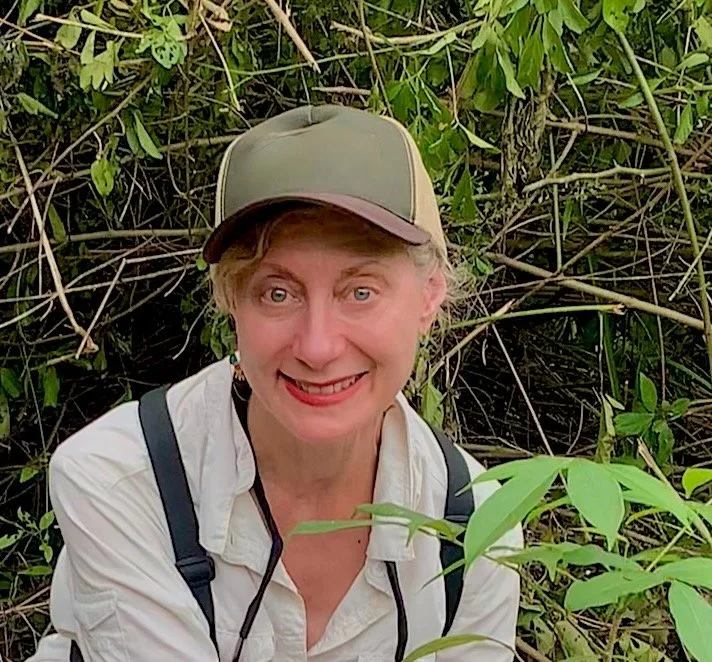
Roberta Kravette, Co-Founder
★ In a protected forested enclave in South Salem, New York, a pair of slender red-gray bodies confidently emerge from among the golden trees and fallen leaves, nudging each other in play. Red wolves! The most endangered canid on the planet.
★ Off the coast of Long Island, a Green sea turtle dubbed "Fig" makes its way toward the Continental shelf, strong and healthy after rescue and recovery from cold stun.
★ Elsewhere, as the sun slides toward the horizon, a Northern Harrier glides over thriving grassland, spirit-like against a backdrop of dark pine.
★ And in Mulchatna, Alaska, brown bears gorge on their last salmon meals before hibernation, oblivious to their human lawyers and advocates, miles away fighting to stop state-sponsored killing from helicopters.
We began Destination: Wildlife to highlight the wonder of the natural world. What we found are hundreds of small to mid-sized 501(c)(3) organizations across the US and the world, powered by passion and (primarily) small donations, protecting and advocating for the Earth and our wild neighbors, and making impacts far beyond their size.
We want to introduce you to six that we are honored to work with, and we hope you consider them in this giving season.
1. The Alaska Wildlife Alliance
The Alaska Wildlife Alliance is using law and advocacy to stop the culling of the Mulchatna bears. These salmon eating giants are being blamed for a plunging Caribou numbers. Image: T Carmack / NPS
Charity Navigator: Alaska Wildlife Alliance ★★★★
Why We Love The Alaska Wildlife Alliance
Alaska is a vast state with huge stories. Spread across 586,412 sq miles, its diverse ecoregions include Boreal and Rainforest, Coastal wetlands, Karst Caves, Sea ice, Tundra, and more, each home to an even more amazing, rare, wonderful, and vital array of land, air and marine wildlife, and peopled by a passionate, hardy population living lives which are, by continental standards, challenging at best.
The Alaska Wilderness Alliance is a bulwark of tireless common sense, science, law, and perseverance in the fight to preserve this unique and vital land and its species, including the Mulchatna brown bears, endangered Cook Inlet Beluga whales, Alaskan Polar bears, wolves, and more.
In Their Own Words:
Our Mission
Alaska Wildlife Alliance is committed to the protection of Alaska's wildlife for its intrinsic value, as well as for the benefit of present and future generations of Alaskans. We advocate for healthy ecosystems, scientifically and ethically managed to protect our wildlife in an increasingly dynamic world.
Who We Are
Founded in 1978, Alaska Wildlife Alliance (AWA) is not only the oldest Alaska-based grassroots organization working to conserve our wildlife, but we're also the only statewide, Alaska-founded 501(c)3 nonprofit dedicated solely to the protection of Alaska's wildlife.
2. The Grassland Bird Trust
Why We Love The Grassland Bird Trust
Nothing in life is black and white, and that certainly includes the conservation and preservation of ecosystems. Today, one of the biggest challenges to grassland birds in New York State, including wintering birds like disappearing Snowy and Short-eared owls, Northern Harriers, and summer residents like Eastern Meadowlarks, Upland Sandpipers, Bobolinks, Horned Larks, Vesper and Henslow's sparrows, is the very same clean energy that we so desperately need.
The Grassland Bird Trust is working tirelessly to develop an equitable compromise between New York State's vital clean energy initiatives, Borolex, a renewable energy producer, and the sustainable, healthy habitat necessary for grassland biodiversity – including endangered and threatened birds.
In Their Own Words:
Grassland Bird Trust (GBT) is a 501(c)(3) not-for-profit land trust conserving critical habitat for endangered, threatened, and rapidly declining grassland birds. We've conserved over 250 acres of prime habitat in the heart of the Washington County Grasslands Important Bird Area (IBA) since our founding in 2010.
Charity Navigator
Grassland Bird Trust
★★★★
We're working with the New York State Department of Environmental Conservation (DEC) and other major partners to protect critical habitat for endangered and at-risk grassland birds across New York State.
GBT owns and manages 78 acres at our Alfred Z. Solomon (AZS) Grassland Bird Viewing Area in Fort Edward, located in the heart of the Washington County Grasslands IBA. This area supports 10 of 11 of New York's most imperiled grassland bird species. It is critical to the survival of Short-eared Owls in New York State!
GBT is a proud member of the Land Trust Alliance. The GBT hosts bird walks and other educational programs and events, including an annual Raptor Fest.
3. The New York Marine Rescue Center
Rescued and released, a Critically Endangered Kemp Ridley Sea Turtle. Monitoring will help researchers understand the species movements and challenges. Image: ©New York Marine Rescue Center

Charity Navigator: New York Foundation for Marine Research and Preservation ★★★
Why We Love the New York Marine Rescue Center
Rescuing and protecting marine life is a difficult task for land mammals like us. The rescuers must be quick, knowledgeable, and well-prepared to save a sea turtle, seal, or other marine life in trouble. New York Marine Rescue Center embodies those characteristics and more.
Step into their facility at the Aquarium at Riverhead, Long Island, New York, and a tidal wave of passion, energy, and love for their work and the animals is palpable from everyone involved.
In addition to its rescue and rehabilitation operations, the NYMRC also organizes regular beach cleanups, education on plastics and water conservation, and more. The New York Marine Rescue Center is a mechanism for creating healthier oceans worldwide.
In Their Own Words:
The New York Marine Rescue Center is a rescue and rehabilitation organization that promotes marine conservation. Our mission is to preserve and protect the marine environment through conservation efforts, including rescue, rehabilitation, education, and research. As a 501(c)(3) nonprofit, we are the primary responders for sick or injured seals, sea turtles, dolphins, porpoises, and small toothed whales, and maintain the only marine mammal and sea turtle rehabilitation center in New York State.
As the primary organization in New York State authorized to work with these animals by the National Oceanic and Atmospheric Administration (NOAA), we are dedicated to the conservation of these marine mammals and sea turtles.
Rescue, Research, and Protection
The New York Marine Rescue Center has rescued more than 3,900 animals since its inception in 1996… Since 1996, we have rehabilitated and released over 119 sea turtles, 762 seals, and 7 cetaceans…Tracking information from satellite, radio, and flipper tags provides valuable insights into the various species as they re-enter the wild.
They Need the Public's Help
The New York Marine Rescue Center (NYMRC) responds to sea turtles, seals, and small cetaceans (dolphins and porpoises) in New York State. Many reports of sighted or stranded marine life come through the NY State 24-hour hotline number at (631) 369-9829.
The public is encouraged to contact us with information, including location, photos, and as many details as possible. It is important to remember that all of these animals are federally protected under the Marine Mammal Protection Act (MMPA) and the Endangered Species Act (ESA), and you must maintain a distance of at least 50 meters (150 feet) away at all times. Interfering falls under harassment and may cause undue stress to these animals, as well as jeopardize your safety.
4. The Raptor Trust
Charity Navigator: The Raptor Trust ★★★★
Why We Love The Raptor Trust
The Raptor Trust has been in my heart for over 40 years. Growing up, this urban girl's entire experience with nature was the bees, begonias, and once a praying mantis in her mom's 2ft. x 6ft. flower garden squeezed between our driveway and front stairs.
I was twenty-one when The Raptor Trust gave me my first-ever look at a Red-tailed hawk, a Barn Owl, and a huge Golden Eagle, all injured in the wild and safely under their care. Their keen eyes watched me watching them, then turned upward far beyond their enclosure to the sky. Light filtered through the chicken wire and danced on iridescent feathers. The rescued birds, dignified and wild even though hobbled and confined, opened my world.
Begun as one man's backyard passion project in the 1980s (founders Len and Diane Soucy's son Chris is now Executive Director), TRT has grown to a full avian medical infirmary (operating room, intensive care, isolation, and rehab facility) and nursery for motherless chicks, caring for hundreds of injured, sick or orphaned wild birds every year. Its location next to the Great Swamp National Wildlife Refuge is the perfect launch site for release of their recovered patients
In Their Own Words:
The Raptor Trust envisions a world where animals and the environment are not harmed by human activity, unless accidentally, at which time people would do all in their power to heal and correct the harm.
The Raptor Trust's mission is to set a humane example by providing care to native wild birds in need, and by educating people about wild birds, especially birds of prey.
The Work:
1. Provide free care and assistance to injured, sick, or orphaned wild birds.
TRT's professional staff supplies the highest quality medical care and maintenance to all avian patients. Their fully equipped medical infirmary, includes an on-site intensive care wing, Services include diagnostics, X-ray, orthopedic repair, and specialized diets. ...The goal is always to return all viable individuals to the wild.
2. Educate people about wild birds, especially birds of prey.
…Currently, two full-time teachers/naturalists are employed by TRT… informative, factual presentations are given to schools, scouts, nature organizations, and all other interested groups, and are attended by thousands of people, primarily young people, each year. Live birds of prey are often used in these educational offerings.
And the public is invited to visit the Raptor Trust. I did, and it changed my life.
5. The Wolf Conservation Center
Silas, one of the Wolf Conservation Center’s Ambassador Gray wolves.
Charity Navigator: The Wolf Conservation Center ★★★★
Why We Love The Wolf Conservation Center
Out of the night, a wolf's howl breaks the silence, another answers, and a young child's eyes gleam in the tent as his dad looks on and smiles. "Sleeping with Wolves" is one of the most popular of the WCC's many public programs.
Although this apex species helps balance and sustain healthier ecosystems, and their character has much to teach us about resourcefulness, teamwork, loyalty, and taking time for a good play session, historic fears and misunderstandings have brought them to the brink of extinction across most of their traditional ranges worldwide.
The Wolf Conservation Center is a leader in fostering a more accurate perception of wolves among the public and in helping save this iconic species.
In Their Own Words:
The Wolf Conservation Center envisions a world where wolves thrive
Our mission is to advance the survival of wolves by inspiring a global community through education, advocacy, research, and recovery.
We are driven by our values of respect, community, and passion.
Wild wolf survival is heavily dependent on public sentiment. WCC addresses this issue through various public education events and programs appropriate for grade school-age to senior citizens, including tented "howl" overnights, video libraries, Webcams, educational programs for schools, scouts, or other groups, controlled photography sessions with Ambassador Wolves, and more.
Research, advocacy, and species recovery programs round out WCC's work. The WCC Integrative Ecology and Coexistence Lab (IECL), led by Dr. Joey Hinton, Ph.D., and WCC research associate Sunny Murphy, researches the ecology, management, and conservation of mammalian carnivores, focuses on the distribution and population dynamics of carnivores, and assesses strategies used for population recovery.
Managed Breeding and Reintroductions: The Wolf Conservation Center participates in the federal Species Survival Plan (SSP) recovery programs for the Mexican gray wolf and the red wolf; both species were, at one time, completely extinct in the wild. WCC is one of the three largest holding facilities for these rare species.
6. Project SNOWStorm
Charity Navigator: Unrated
Why We Love Project SNOWstorm
Of all the organizations we work with, Project SNOWstorm manages to do outstanding, impactful, vital research with the tiniest, most impossible budget.
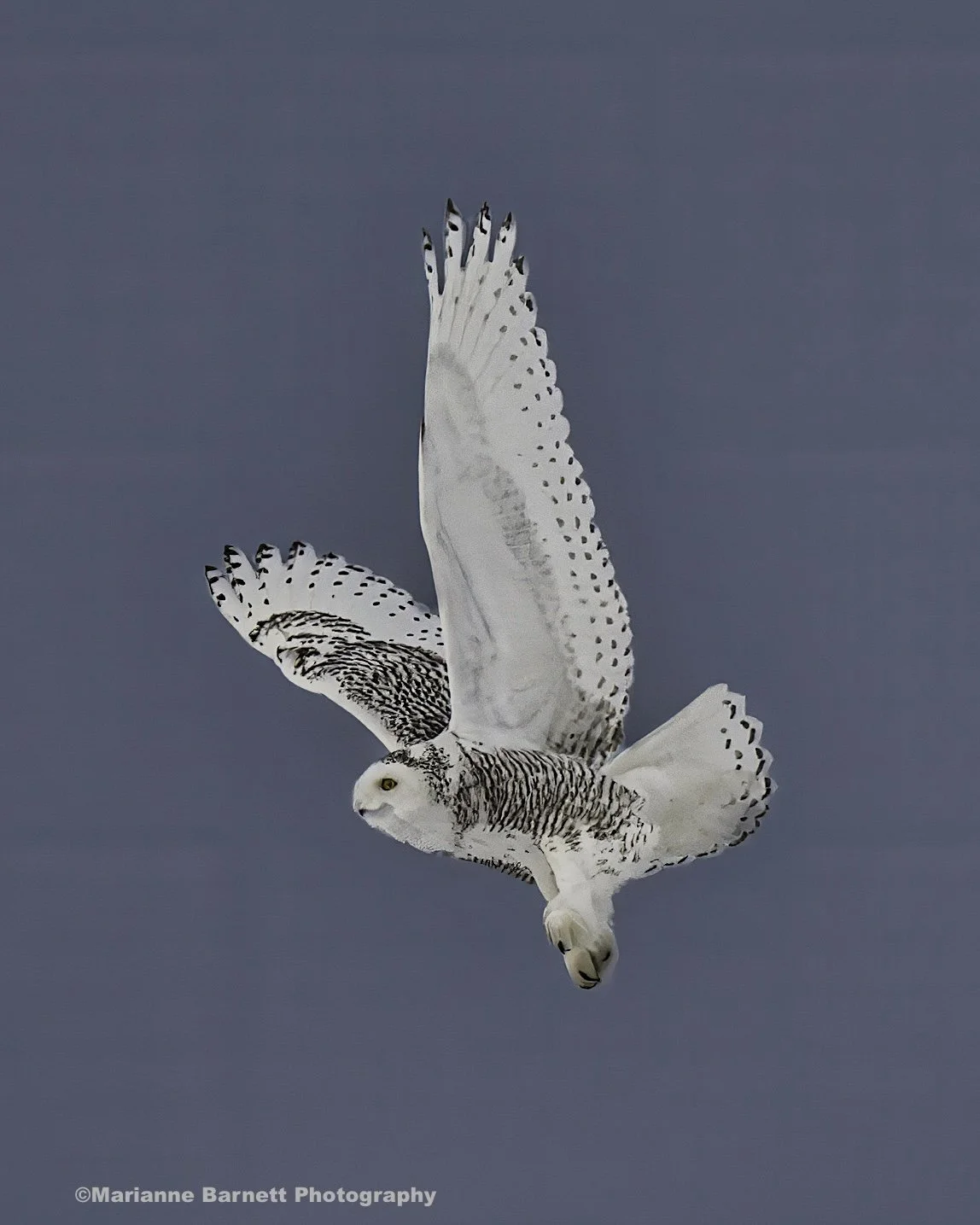
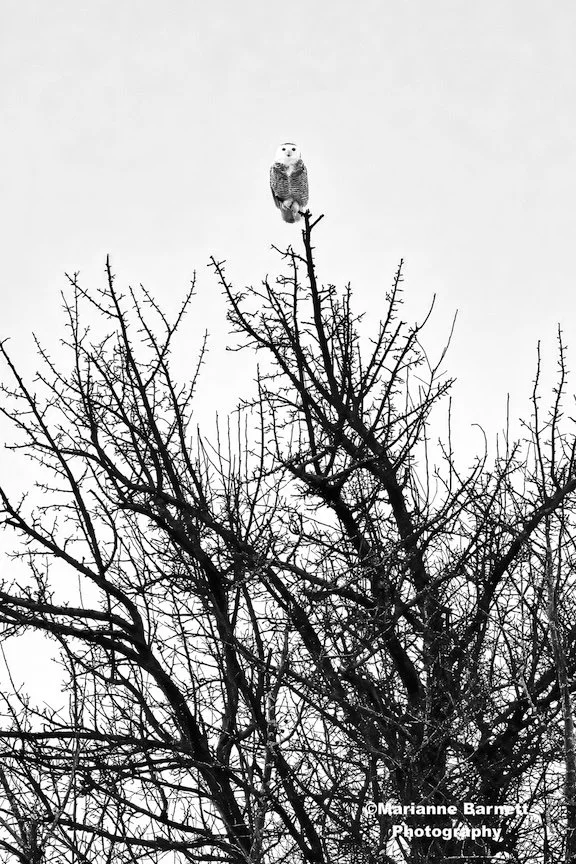
Snowy owls are elusive, difficult to find, and quickly decreasing in number, but Project SNOWstorm’s research has implications far beyond the birds themselves. Snowy owl fate is tied to a healthy Arctic environment - and so is ours. The all-volunteer team of intrepid researchers works under the most challenging winter conditions to find and monitor these iconic birds.
We are proud to say that in 2023, our first year with them, the donations from our "Winter Owls and Others" trip accounted for about 10% of their budget goal, helping them meet and exceed their total projected fundraising income for the year. Our scheduled 2025 Winter Owls and Others to Benefit Project SNOWstorm raised 16.6% of its fundraising goal.
In Their Own Words:
Project SNOWstorm launched in 2013 and is now one of the world's largest collaborative research projects focusing on Snowy Owls. They are staffed by a largely volunteer team of scientists, banders, and wildlife veterinarians and funded entirely by tax-deductible donations from the public.
The Work:
One of the most important elements of our research is understanding the winter ecology of snowy owls, using GPS/GSM transmitters that record the birds' locations, altitudes, and flight speeds at intervals as frequent as every 6 seconds.
On-board temperature sensors and accelerometers add additional layers of data to help us understand how these birds hunt, migrate, and survive both here on their more southerly wintering grounds and in the Arctic.
In the past 11 years, we've tracked more than 110 Snowy Owls from Alaska and the Dakotas to the Great Lakes, New England, southern Canada, and the mid-Atlantic, including their summers in the Arctic. Our tracking data has documented previously unknown behavior and shed light on poorly understood aspects of the snowy owl's life, both in their temperate wintering areas -- the main focus of our work -- as well as their breeding grounds in the North.
We continue to partner with Cellular Tracking Technologies, which supplies the high-tech, next-gen transmitters we use, and whose engineers and staff have been part of our team from the beginning.
We hope you’ve enjoyed learning about some of the organizations that your trip participation helps to support. Your donations are helping them make the world a healthier, more sustainable place for us and future generations!